Stuffs about our Staffs
Painted Jezebel, November 11, 2011
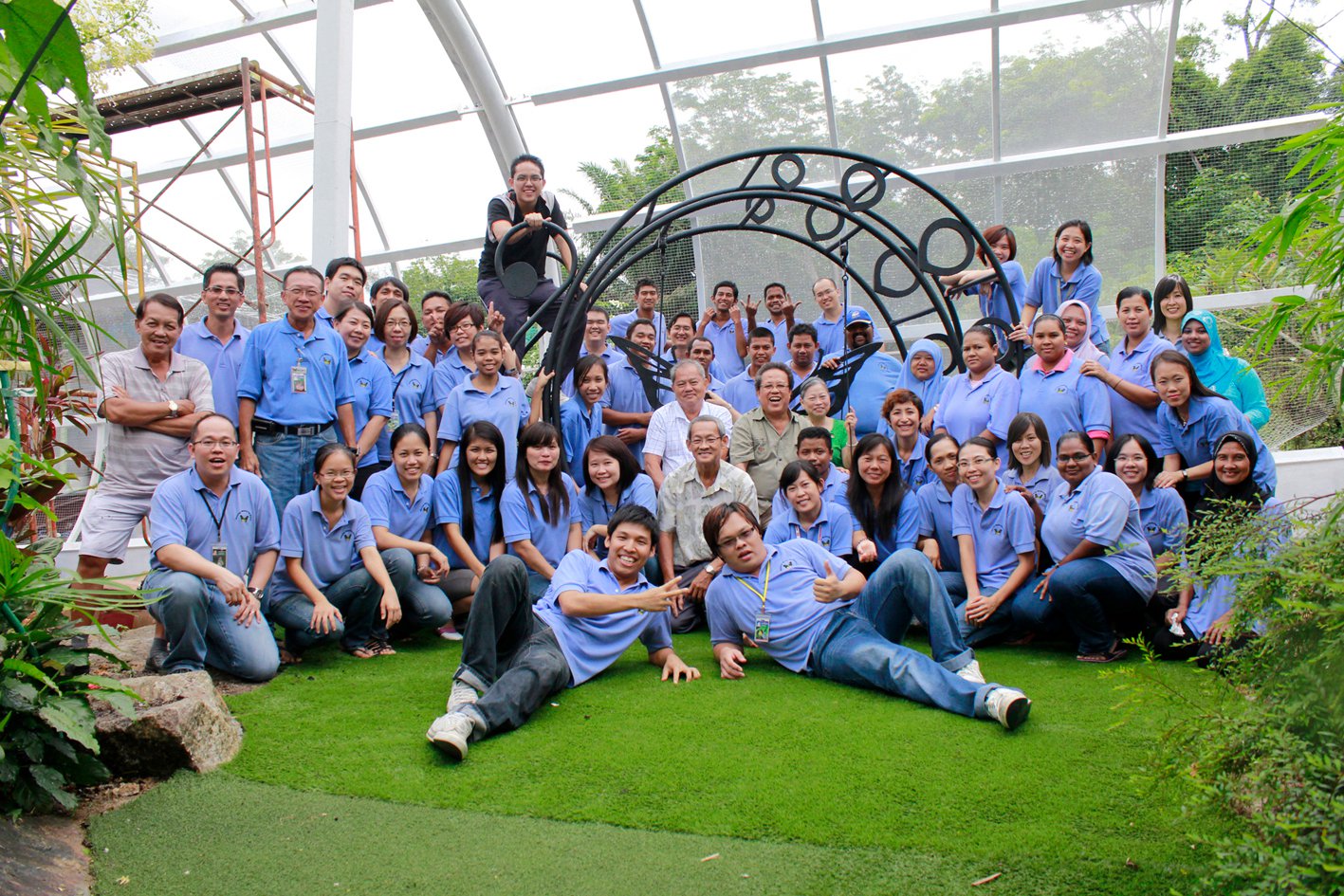 Here in Penang Butterfly Farm, we have a family of staffs who keep the farm going. We have people to ensure the happiness of all the visitors and also the happiness of all the butterflies and animals in the farm.
Interestingly, every time we tell our friends and the public about where we work, we have one same reaction: “Butterfly farm?? WOW! But what do you actually do there?” And I’m pretty sure a lot of you as asking the same question. For that, we’ll be featuring interviews with different staffs from Penang Butterfly Farm from time to time, here in our blog.
From the blog series Stuffs about our Staffs, we hope to introduce our team upclose and personal and that you’ll to get to know what its like to work here. So stay tune!
Posted in Stuffs about our Staffs |
Rouchussen’s Coelogyne
Painted Jezebel, October 6, 2011
Coelogyne rochussenii orchids are back in Penang Butterfly Farm!
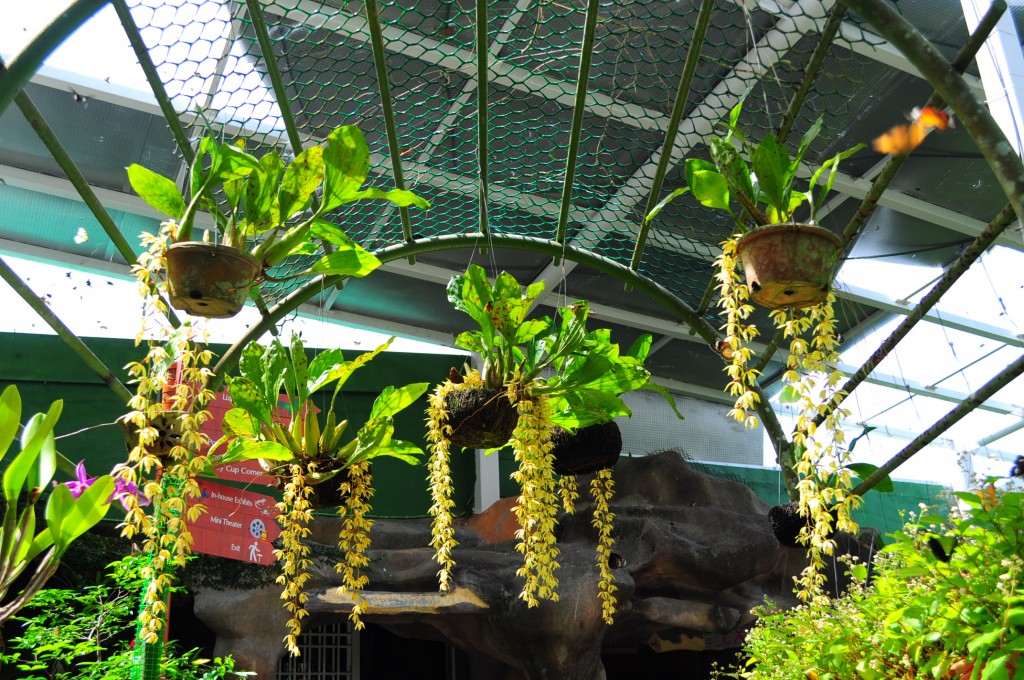
Rouchussen’s Coelogyne is one of their common names.Some local communities called them the Indian Lady Orchid because these orchids are often used as hair ornament in the Indian Culture. What’s interesting it that, in the farm, we noticed them blooming when its very near Indian Festival. The last time they bloomed, it was near Thaipusam celebration, January this year. Then they started blooming few days ago, on the month of Deepavali! Isn’t that such a coincident? Or is it really a coincident? Hmm.. let’s see if this repeats next year.
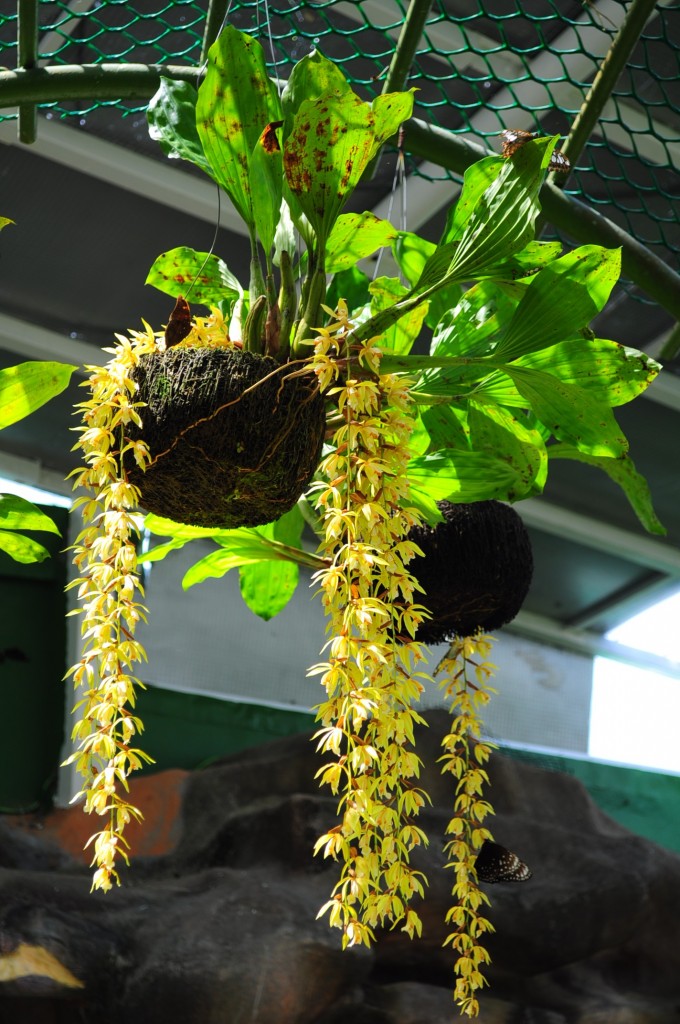
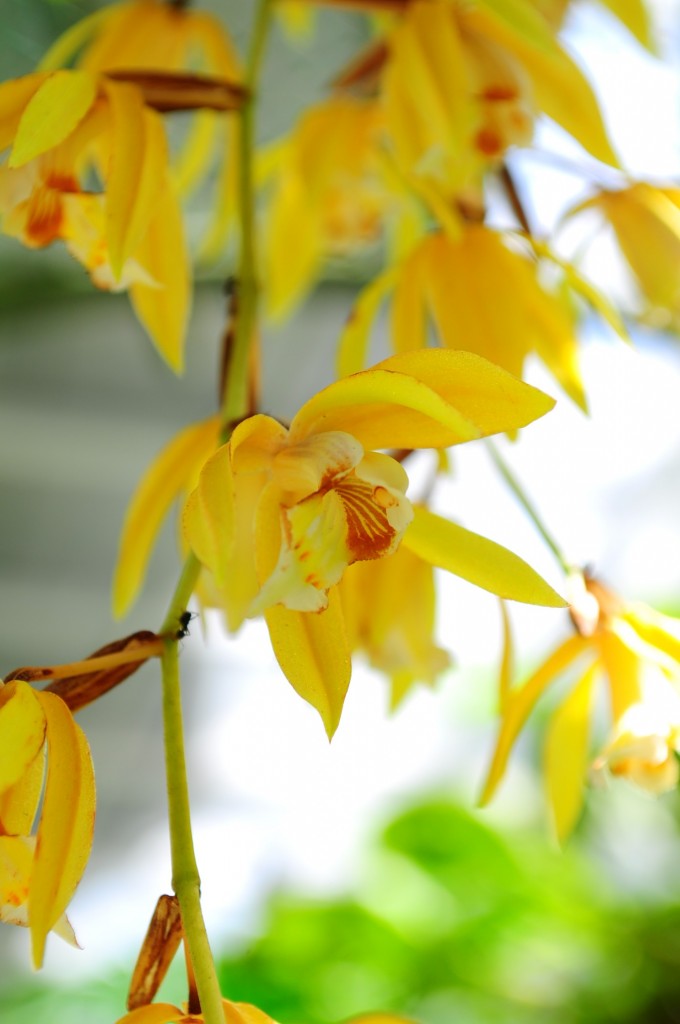
Anyway, the orchid’s scientific name was after J.J Rochussen, governor-general of the Dutch East Indies in the mid 19th century. This species is commonly found in South East Asia Region including Malaya, Borneo, Java and Sumatra and the Philippines. In the wild they may be found growing on large trees in the lowland forest. My favourite thing about them is their sweet citrus-ish scent. The butterflies love them too! Do come by Penang Butterfly Farm to see (or smell) them before they wither.
Posted in Latest News |
Malaysia Day Special : Bunga Raya
Painted Jezebel, September 15, 2011
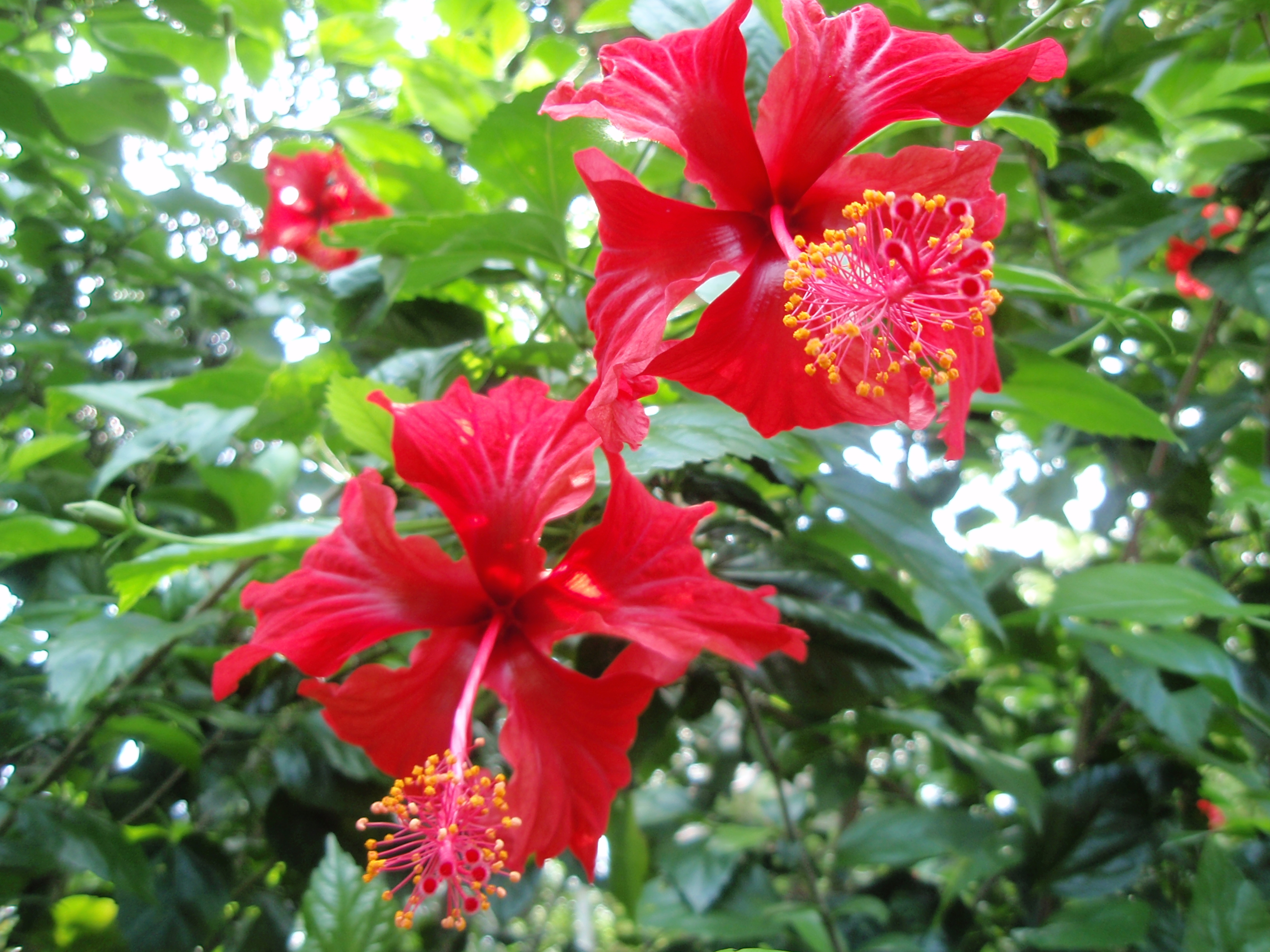
Its impossible to not notice their loud colour with brilliant anthers and stigmas shooting out of the petals like bursting fireworks. That’s our National Flower, the Hibiscus, or what we called Bunga Raya in Bahasa Malaysia. Let’s study a little Bahasa Malaysia, shall we? ‘Bunga’ means flower while ‘Raya’ means great, grand or large. And if we put in the affixes me- and -kan, ‘merayakan’ means to celebrate. A pretty glorious name for a flower, right?
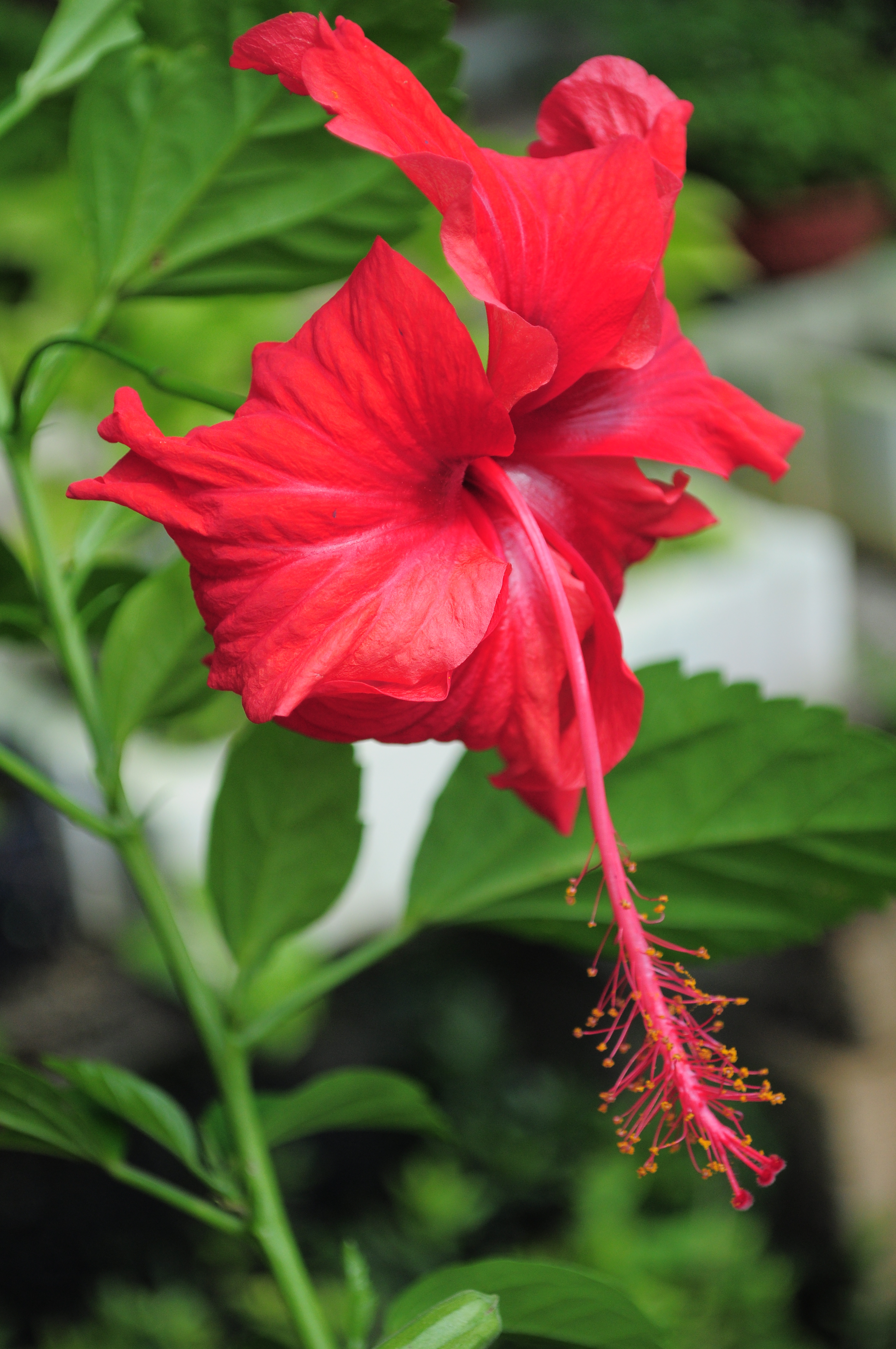
Bunga Raya is Malaysia’s national flower, as declared by Tunku Abdul Rahman on 1960 due to its abundance throughout Malaysia. Their bold red colour symbolizes courage, while the 5 petals symbolizes the 5 Rukun Negara (National Principles of Malaysia). Bunga Raya is believed to be introduced into Malaya around the 12th Century as an ornamental plant, possibly from China, as their scientific name literally means “Rose of China”. The origin of the plant is believed to be from Hawaii.
Bunga Raya are easily found in many parts of the world, particularly in the tropical countries, and thus, there are many different common names for Bunga Raya. In the Western World, they are called the Hawaiian Hibiscus, while they’re called ‘sembaruthi’ in Tamil, Guamamela in Tagalog, and in Indonesia, they’re known as “kembang sepatu” which means “shoe flower”.
Apart from being used as an ornamental plant, there are surprisingly a lot of interesting uses of Bunga Raya. The Chinese use it for medicinal purposes, while the Hindus use it to worship the goddess Devi. The flowers are actually edible and in the Pacific Islands, it is one of the ingredients in their salad!
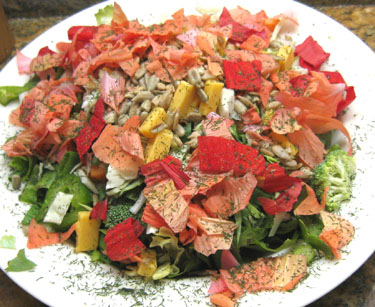
- Hibiscus Salad (Photo by Ginny Stibolt: http://www.sky-bolt.com/edibleflowers.htm)
Isn’t our National Flower interesting? Well, hopefully you’ll appreciate them more the next time you see them on the Ringgit notes and coins. Happy Malaysia Day to all Malaysians!
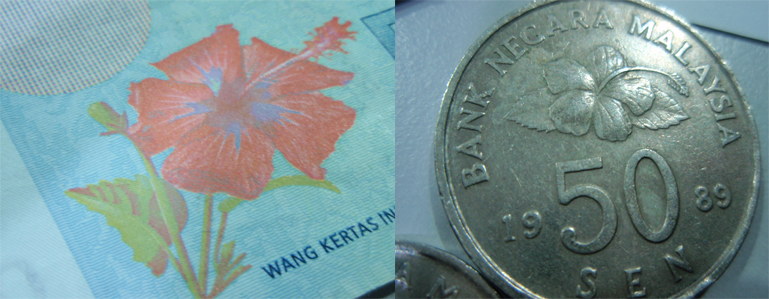
- Bunga Raya on Malaysian currency
Posted in Plants & Flowers |
Malaysia Day Special: Rajah Brooke’s Birdwing
Painted Jezebel, August 19, 2011

Trogonoptera brookiana, or more commonly known as the Rajah Brooke’s Birdwing, was first described in 1855 by a British naturalist, Alfred R. Wallace in Borneo.

Alfred Russel Wallace
He named the species in honour of James Brooke, the first Rajah of Sarawak. Up till today, this beautiful butterfly species is commonly known as the Rajah Brooke’s birdwing or The Rajah Brooke’s butterfly.

Sir James Brooke
The Rajah Brooke’s birdwing belongs to the group of butterflies in the family Papilionidae known as the ‘birdwings’ particularly because of their outstandingly big size, pointed wings and their bird-like flight. Apart from that, their resting state posture is unlike other butterflies. Here, this photo would explain it better than me:

The difference between the resting posture of birdwings and other butterflies.
The Rajah Brooke’s birdwing expresses sexual dimorphism, which means the male and female butterfly look different from one another.

The males need to sip in mineral-rich water, as they require sodium and potassium to activate their adult behaviour. Therefore, they are often seen congregating at riverbanks and mud puddles.

In the early years after its discovery, the encounter with the female Rajah Brooke’s birdwing is very rare, that it was thought that the ration between male and female is 1000:1. However, this is untrue. The females tend to fly at higher canopy, therefore minimizing the chance for its encounter.
The Rajah Brooke’s birdwing is one of the most promoted butterflies, particularly here in Malaysia as it is our National Butterfly. Visit Penang Butterfly Farm to see this beautiful ‘King’ live, right before your eyes! And don’t forget your camera!
Posted in Butterflies, Insects, Mother Nature |
Sneak Peek 2
Painted Jezebel, July 18, 2011
So have you seen our newly renovated farm? If you haven’t, you should! Here are some photos of our beautiful new indoor section:
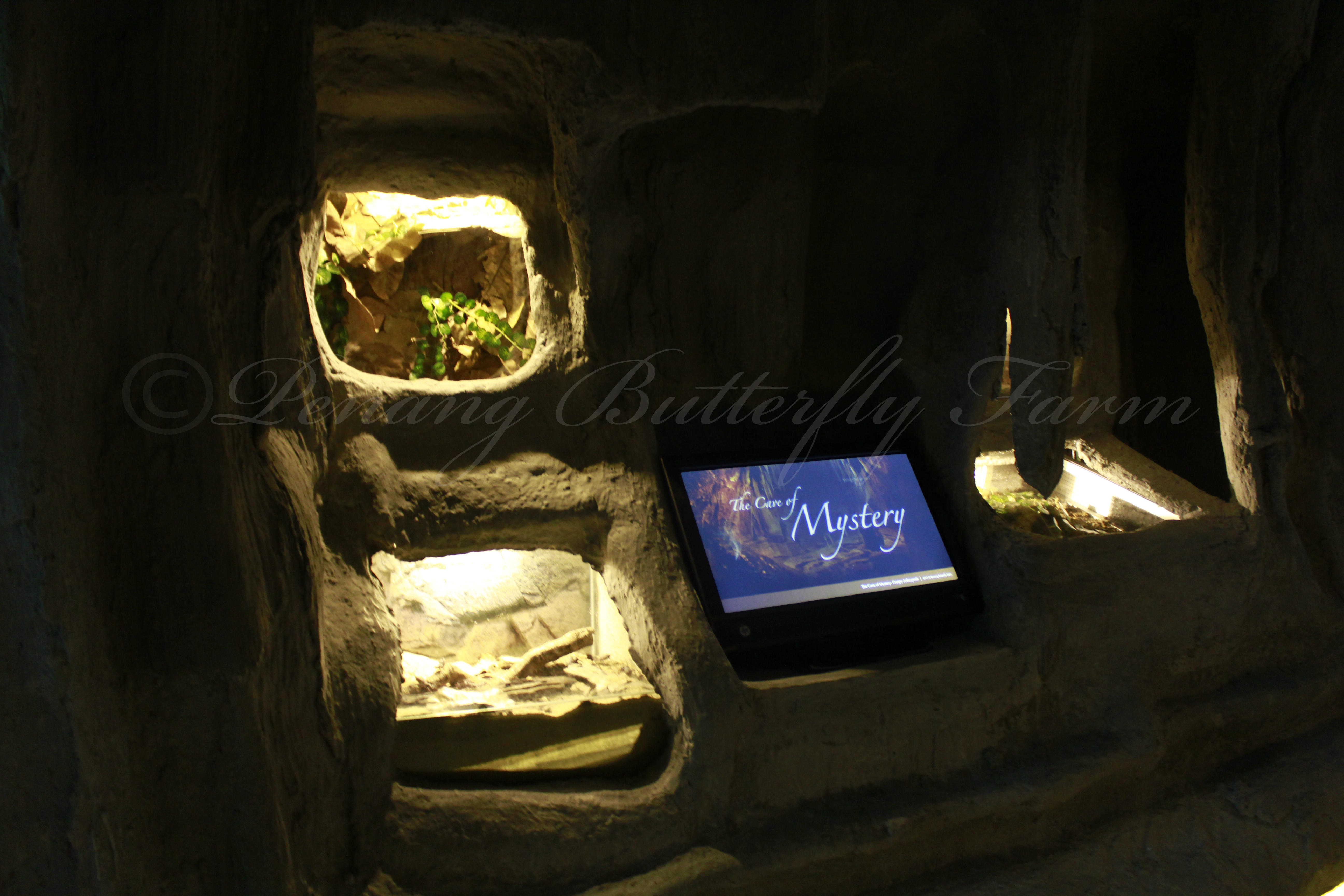
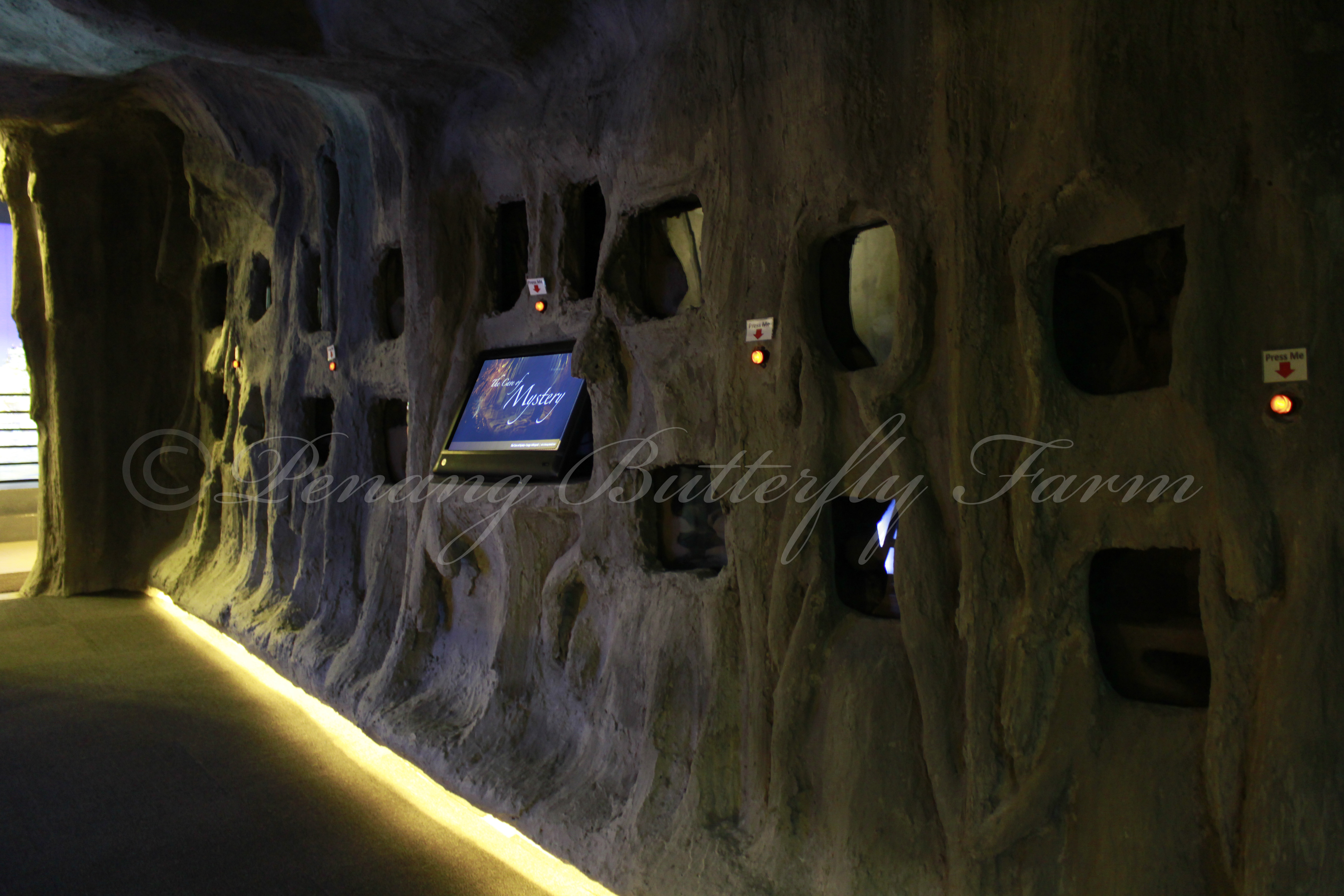
Enjoy the cool cave atmosphere and play peek-a-boo with the tarantulas, violin beetles, scorpions and more. Don’t miss the exhibits of mysterious creepy crawlies and the touch screen panels will tell you more about them, including correcting some misconceptions regarding these mysterious creatures.
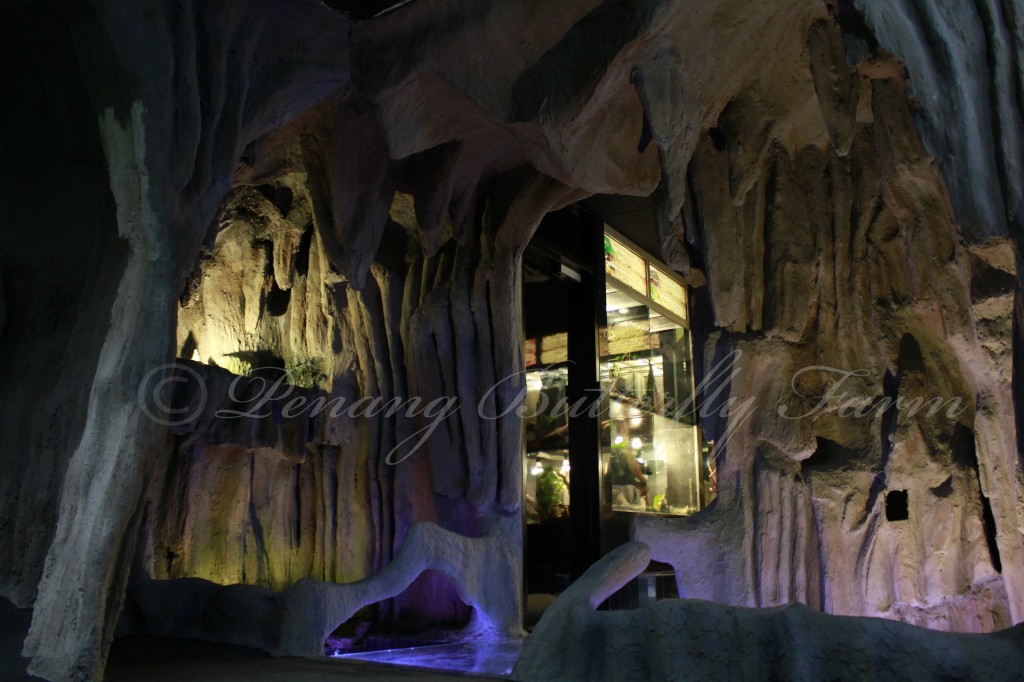
Hope to see you soon! 😉
Posted in Sneak Peek |
Extinct Butterflies
Extinction isn’t a strange term to most of us. While extinction is known to be a natural phenomenon, and had happened before without any human intervention, the extinctions that occur in the recent millennia had been mainly human-induced. Dodo and Javan Tigers are some of the well-known example. Even butterflies did not manage to escape this mess. In this post we’re going to take a look at 3 species of the butterflies that you can no longer see fluttering around.
Xerxes Blue (Glaucopsyche xerxes)
First described by Boisduval in 1852, this beautiful butterfly was last seen between 1941 and 1943. The species is particularly found in Sunset District of San Francisco, USA. Thanks to urban development, the destruction of their habitat drove to them to extinction. The exact cause of their extinction is not known, since their food plant still exist. It is considered the first known butterfly to extinct in USA. Xerxes Blue received a lot of attention when they disappeared, but the attention came a little too late.
 Xerxes Blue – upperside
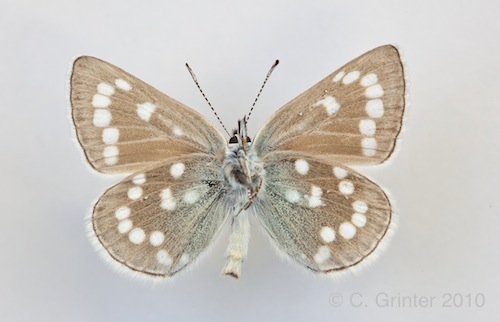 Xerxes Blue – underside
Photo by Chris Grinter (http://skepticalmoth.southernfriedscience.com/2010/08/butterfly-porn/)
Mbashe River Buff (Deloneura immacualata)
The species is endemic to Mbashe River of the East Cape, South Africa. Trimen described it in 1868 and apart from that, there is very little information about this species. The IUCN Red List of Threatened Species recorded no sighting of this species since 1986’s assessment and therefore considered listed it as extinct.
This is the only photo of the species found on the net, believed to be one of the olderst specimens in the Iziko South African Museum:
 Mbashe River Buff – underside
Photos by S. van Noort, Iziko (http://www.biodiversityexplorer.org/butterflies/lycaenidae/deloneura_immaculata.htm)
Morant Blue (Lepidochrysops hypopolia)
Morant’s Blue is the rarest butterfly in South Africa that IUCN Red List has categorized it under the extinct group since there were only 2 encounters of the species. Ever. The first was by Walter Morant in 1870, where he found 2 males and another by Thomas Ayres in 1879. You can read the detailed description on that in http://www.thorntree.co.za/Butterfly.htm. There are unfortunately no photos available of the species. However Morant’s specimens are one in the Natural History Museum, London while Ayres’ specimen is now at the South African Museum.
No one could explain how Morant Blue and Mbashe River Buff became extinct as they are already very rare by the time they caught the attention of entomologists. Just like Xerxes Blue, attentions came a little bit too late. Its a little too late to study them, understand them and save them.
Some scientists are still hopeful that these species still exist, somewhere. Nevertheless, the loss of these beautiful creatures is simply tragic. All we have left now is the preserved specimens, that would age, and sooner or later gone forever. All we have left for our children are photos and illustrations. Let this be the lesson for us to start to care more for our environment. Think about what how we utilize resources. Replenish what we’ve claimed. We’ve claimed their homes, now its time for us to rebuild them.
“We do not inherit the earth from our ancestors, we borrow it from our children.” ~Native American Proverb
Posted in Butterflies, Mother Nature |
Silver Jubilee Celebration (23 June 2011)
Painted Jezebel, June 24, 2011
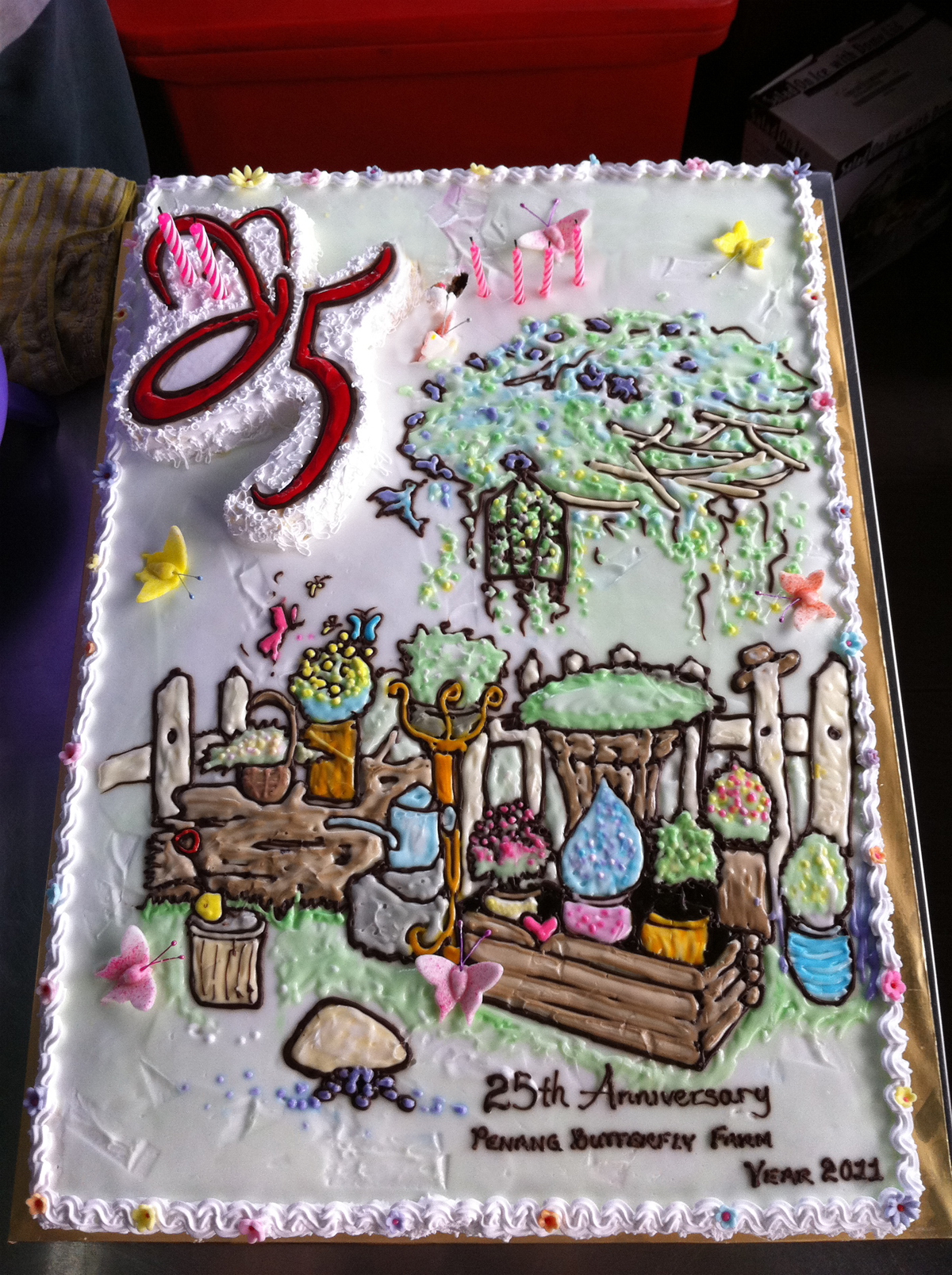
23 June 2011 was a fun-filled merrymaking day for PBF as we remember and celebrate our 25th year. 25 years in a long, beautiful journey to celebrate.
It was a day of cakes, VIP’s, mascots, smiles and of course, butterflies!
Highlights of the event:
-
It was an honour to celebrate our 25th year with Penang’s Chief Minister, Mr Lim Guan Eng and the rest of invited guests.


The Chief Minister had a private tour around the newly renovated farm.
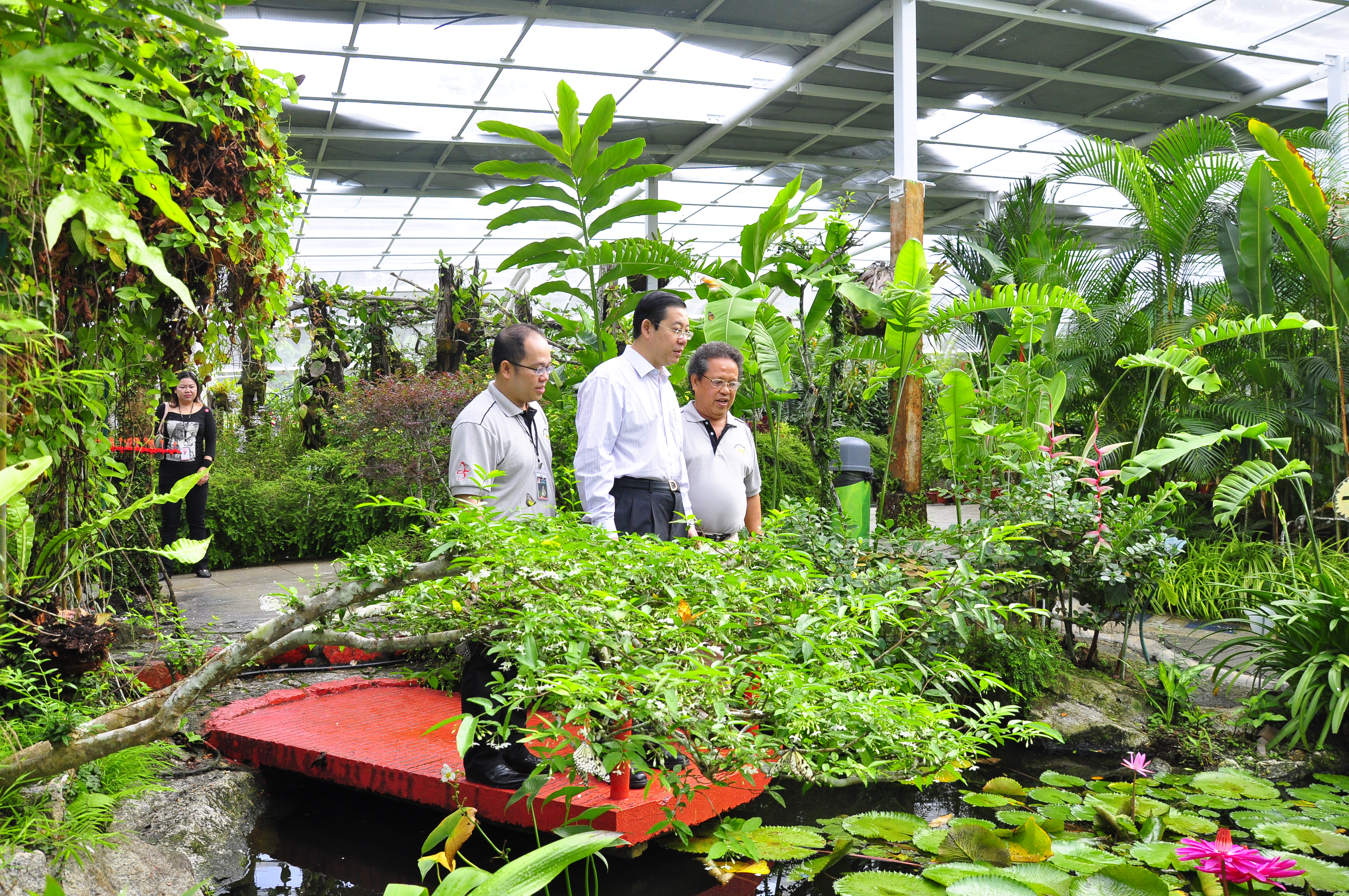
-
8 PBF’s Long-serving employees did a 2.5km cycling before the Chief Minister handed them the Employee’s Long Service Awards.
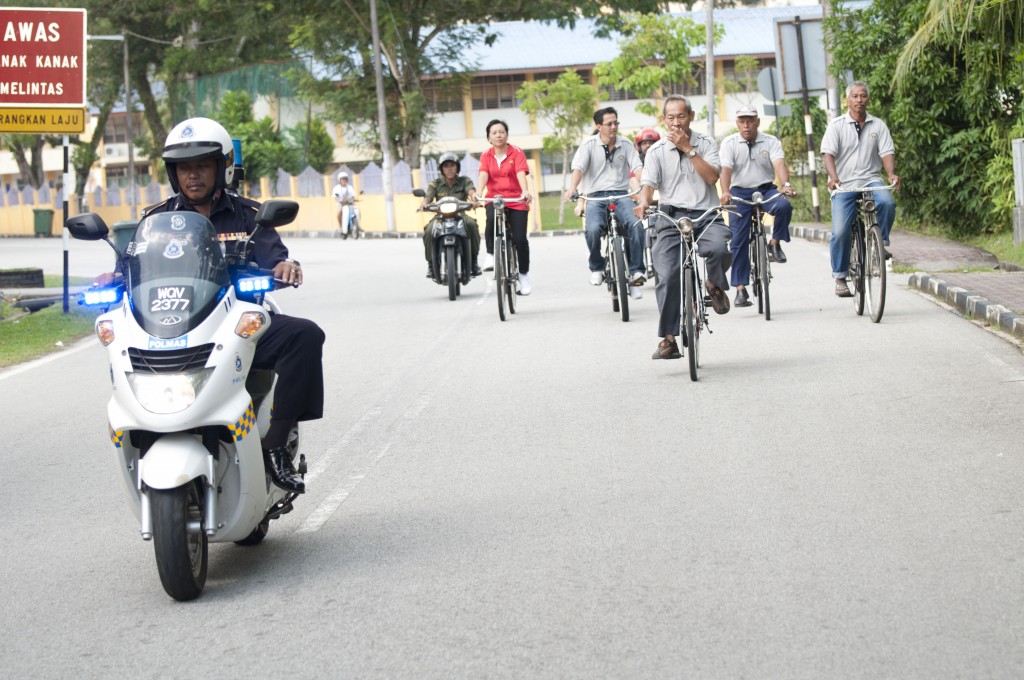
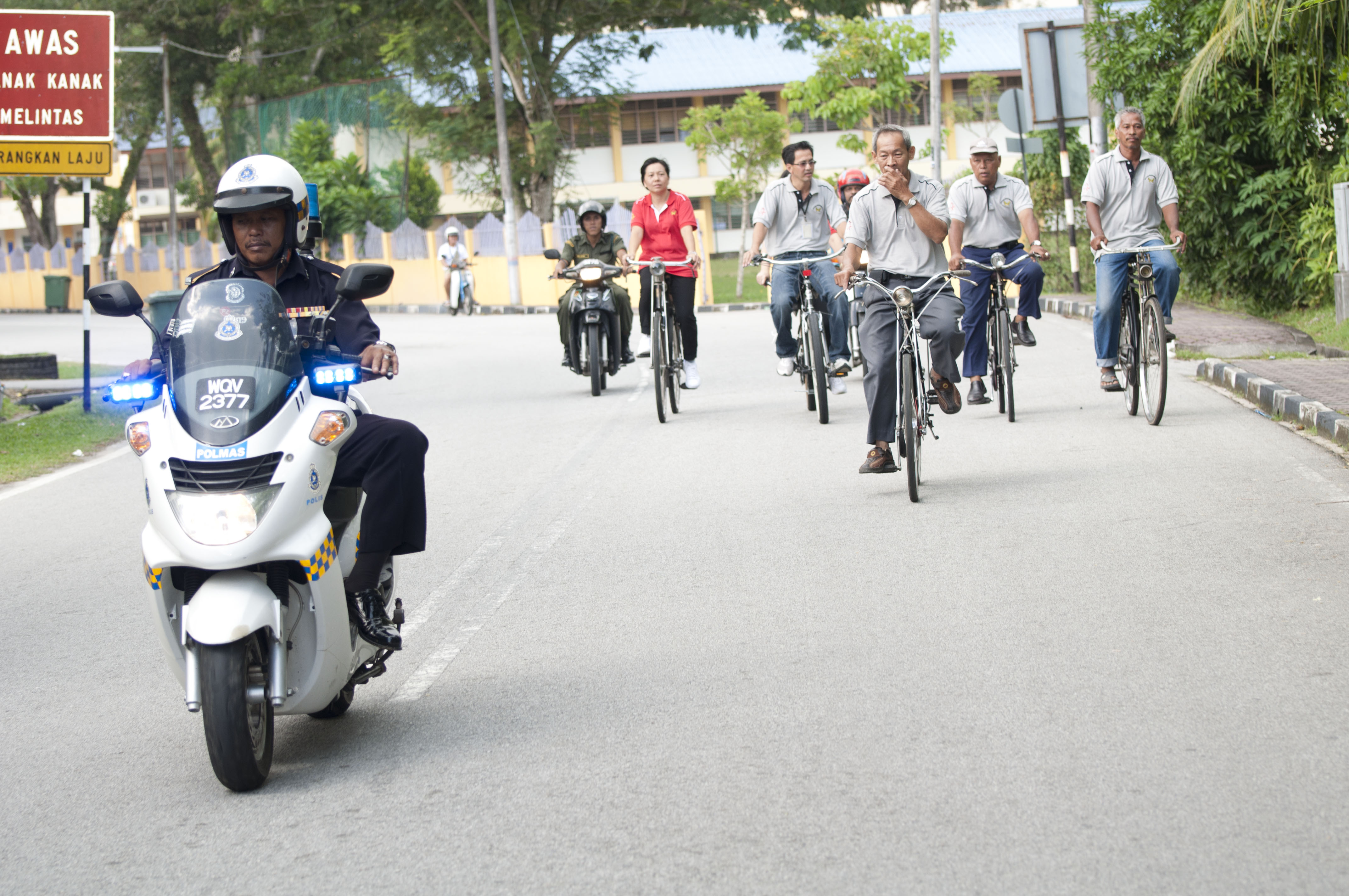
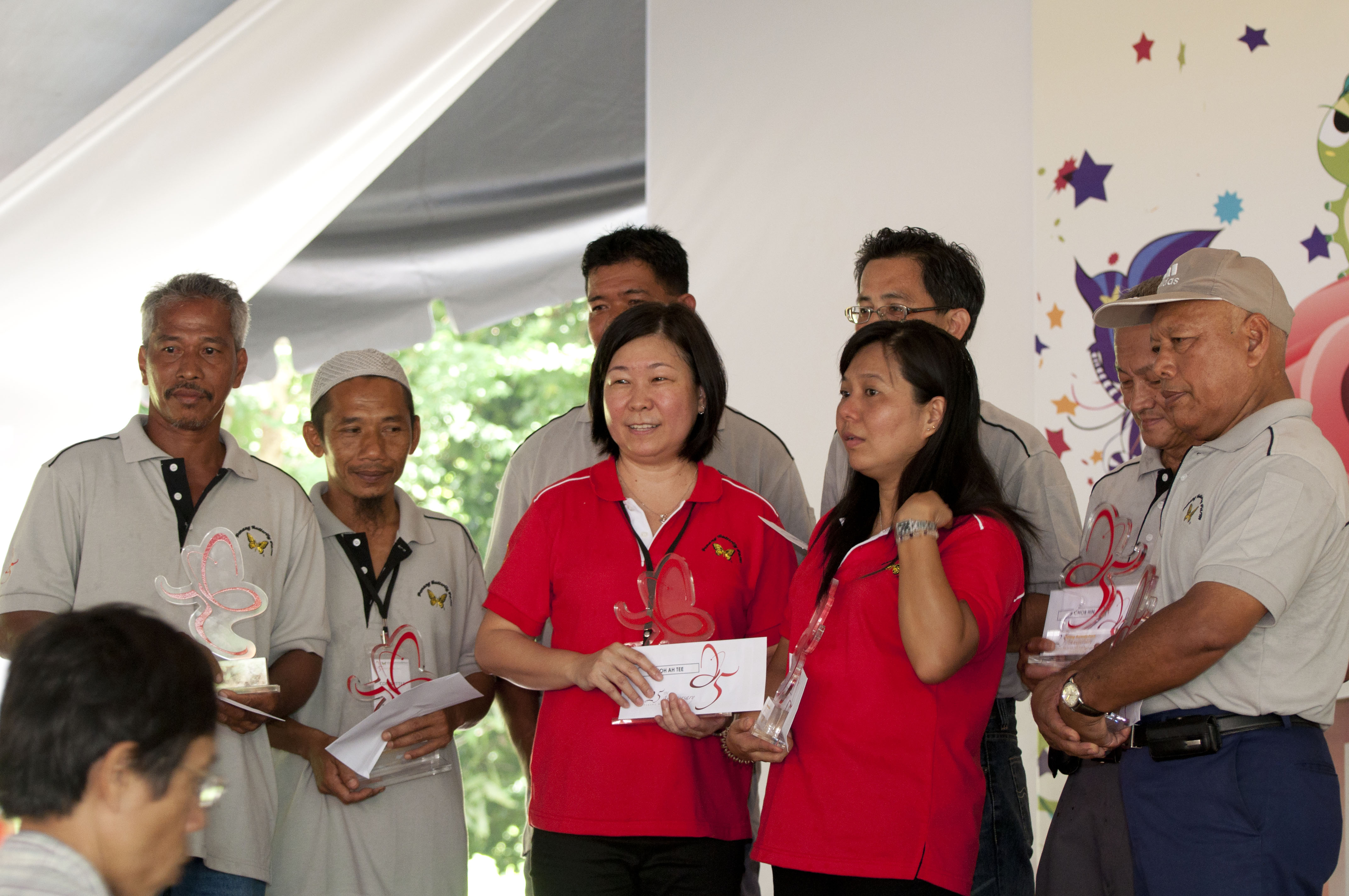
All these wonderful people has been serving PBF since at least 20 years ago!
-
In 1996, Mr David Goh, our founder planted a Time Capsule that was to be extracted and revealed at the 25th anniversary. Yesterday, after being buried for 15 years, everyone present witnessed the extraction and revelation of the Time Capsule.
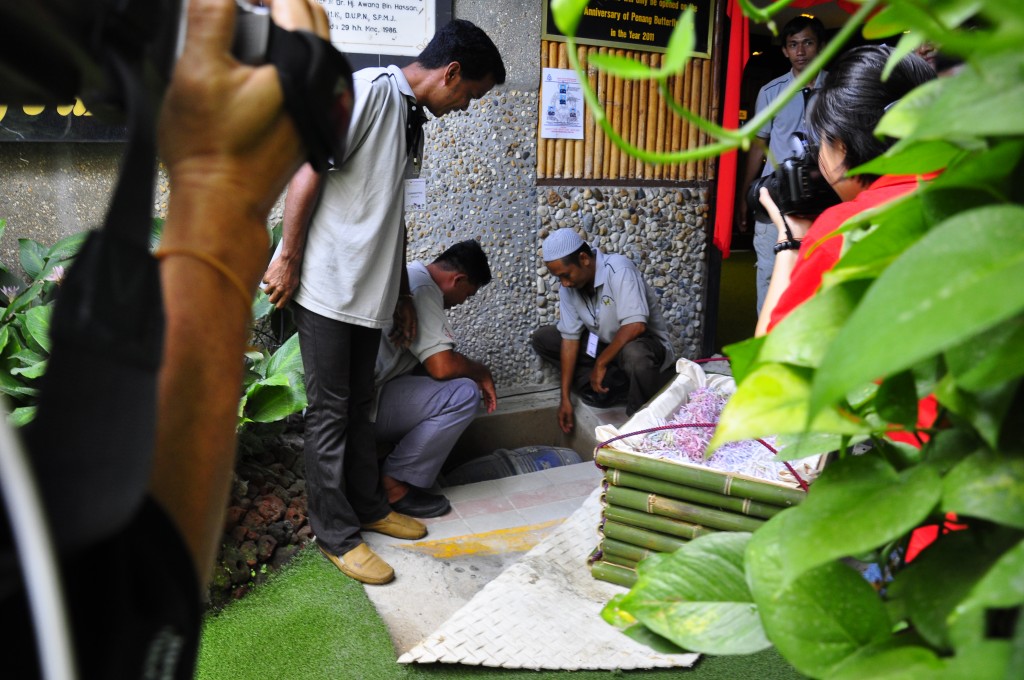
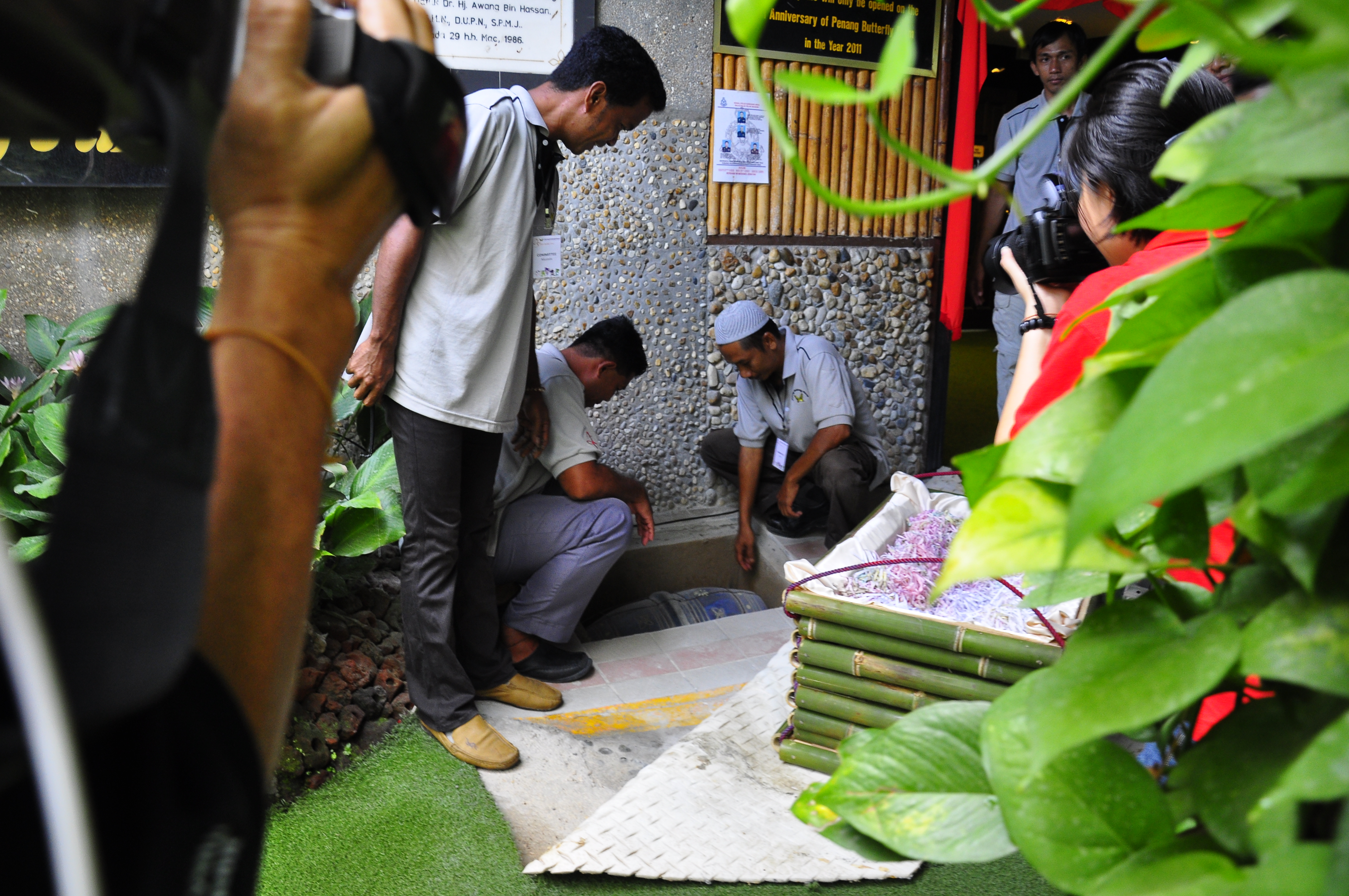
The capsule was dug out by the same two people who buried it: Mr Ishak & Mr Jafri.
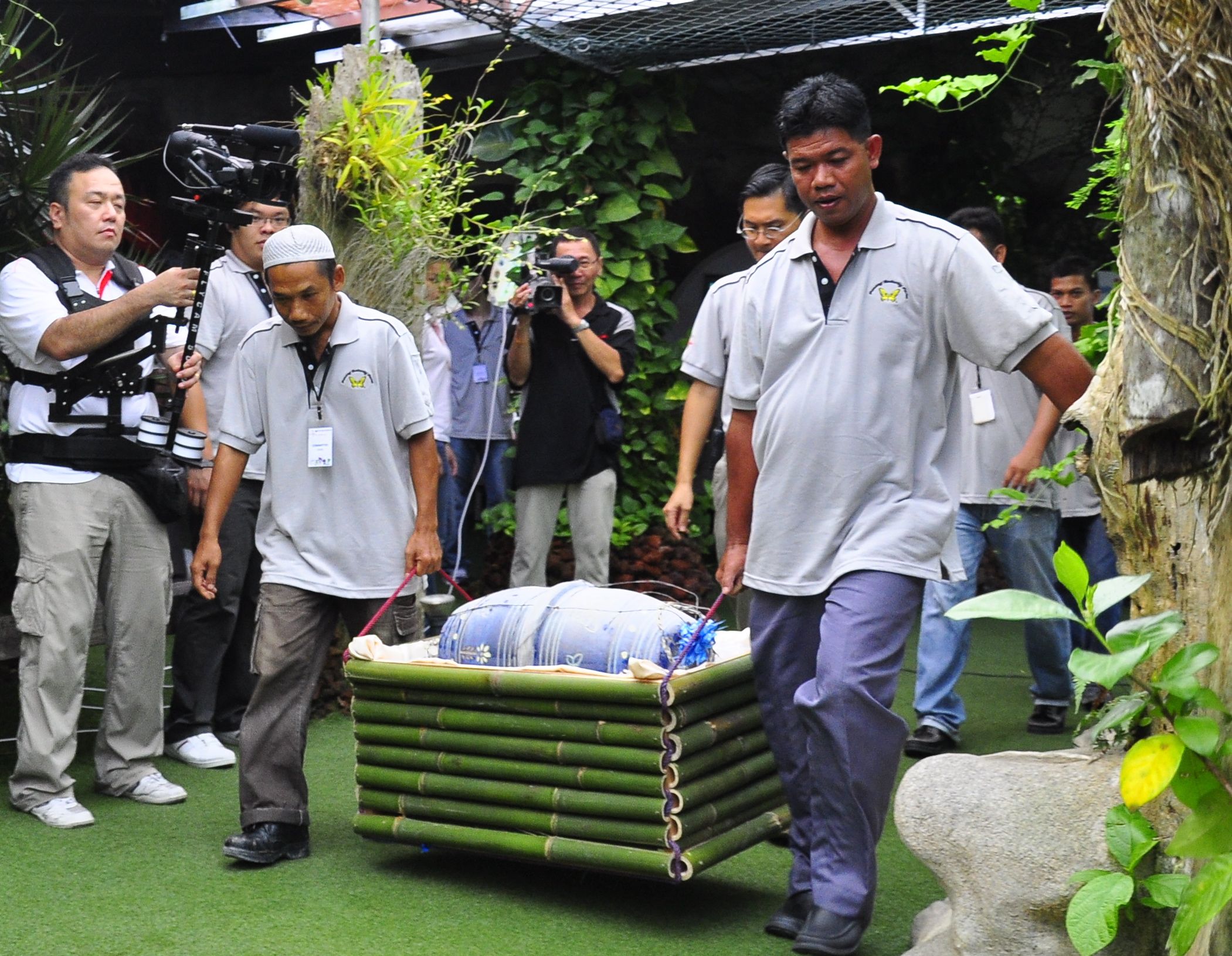
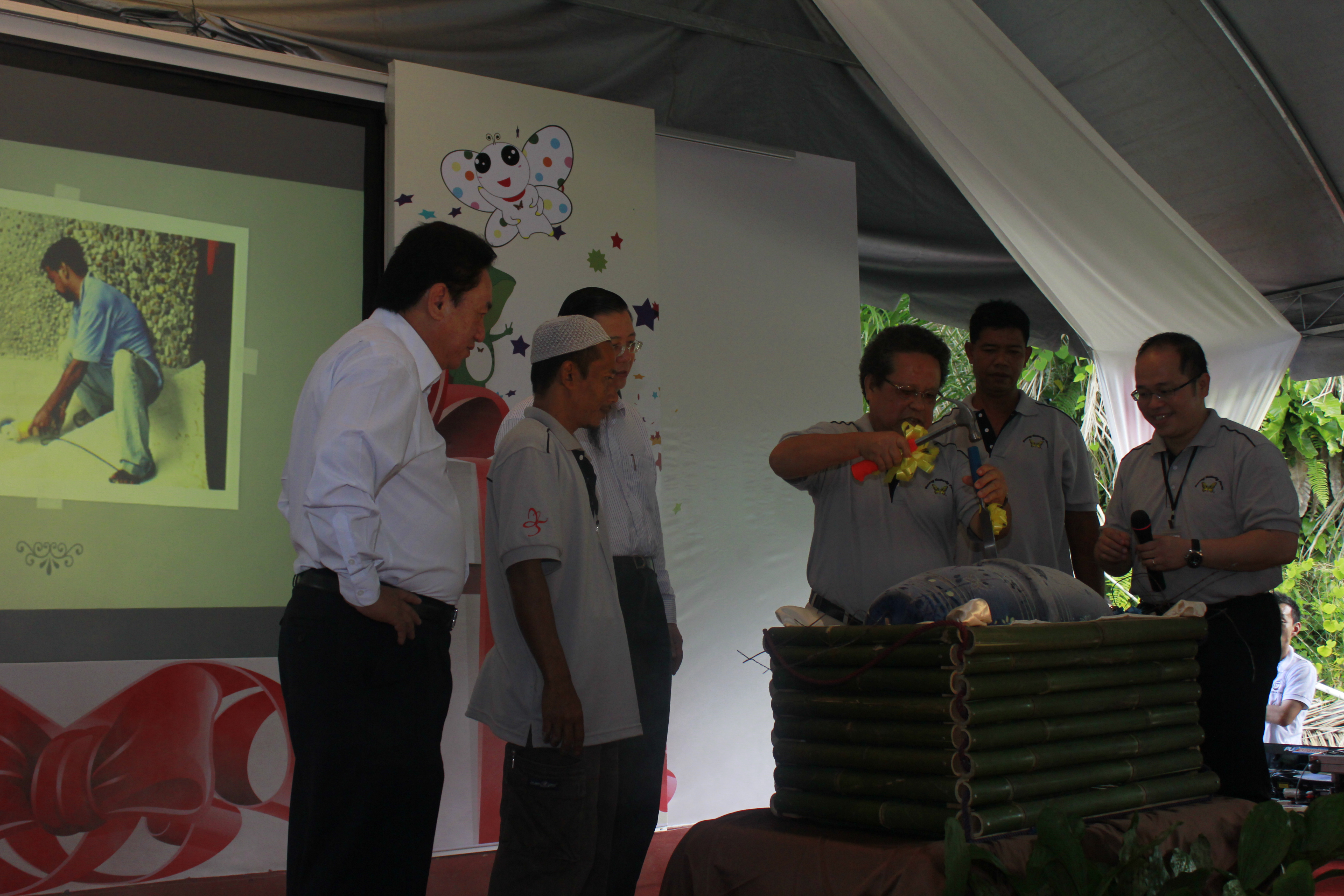
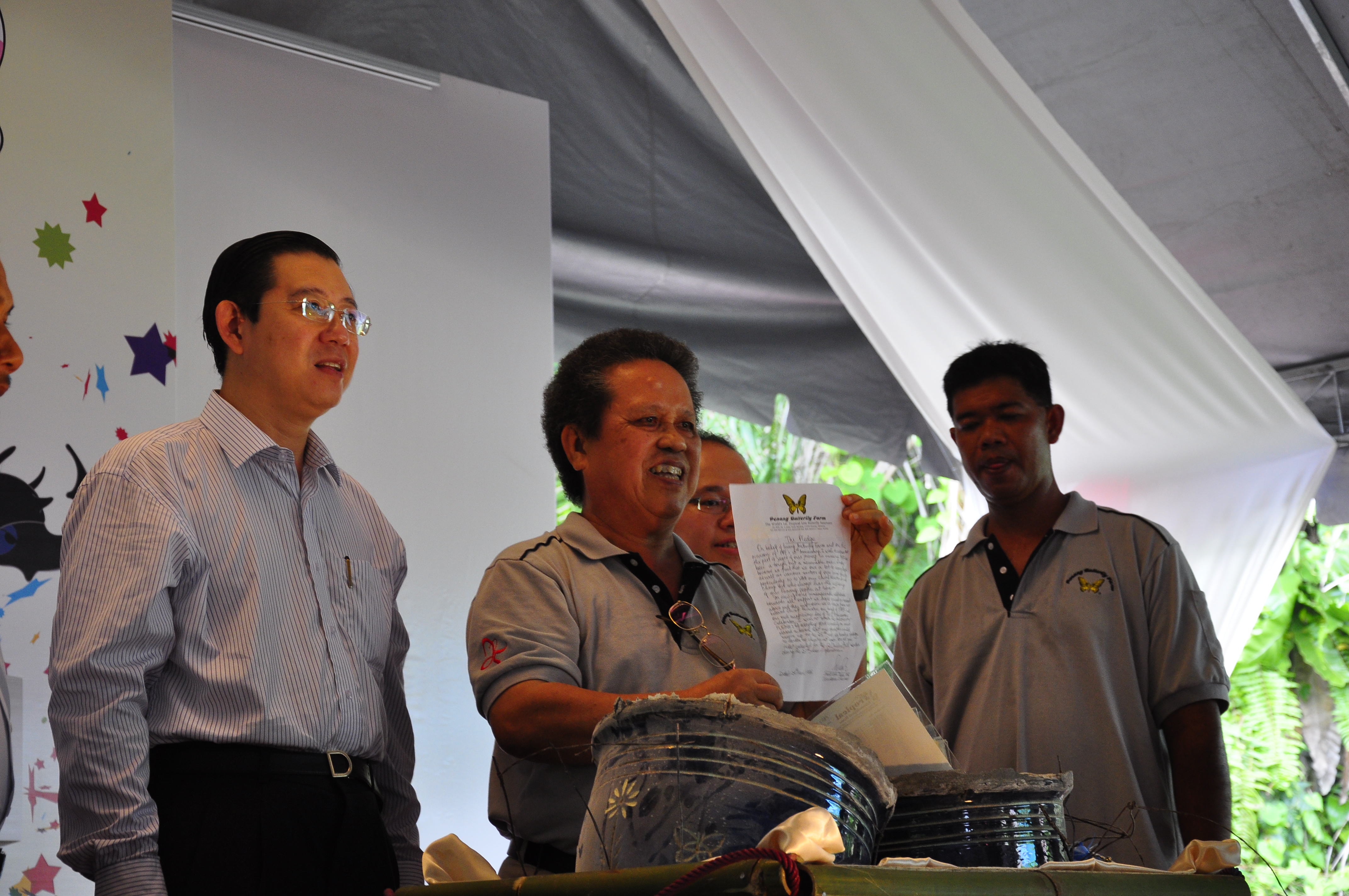
The Time Capsule contains a pledge written by Mr David Goh on the farm’s 10th anniversary, stating to donate at least RM0.25 per entry ticket to charity for the whole 12 months of the 25th anniversary. It was such a significant moment!
-
All the invited guests and farm visitors had their chance to release a butterfly as they explore and experience the newly transformed Penang Butterfly Farm.

-
Orni, Juro, Tacca, Toro and Dagon made their appearance to cheer up the event with smiles, laughter and pretty pictures for the visitor’s album.
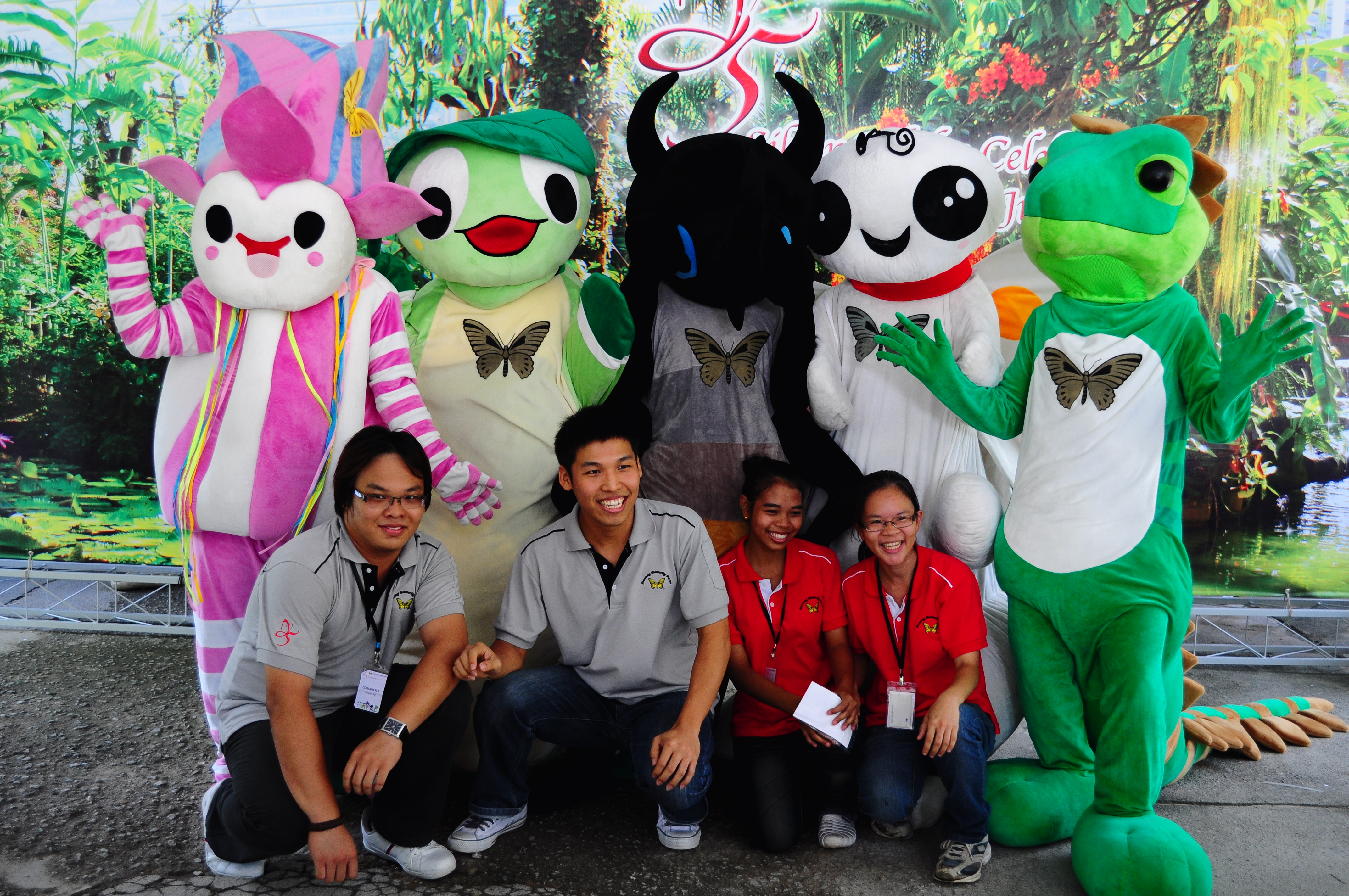
We would like to thank everyone involved that had made this event a success! We really really appreciate your time & effort!
Last but not least, Congratulations & Thank you to our dear Mr David Goh. Without your passion and efforts to make your dreams a reality, we would not have this beautiful day.
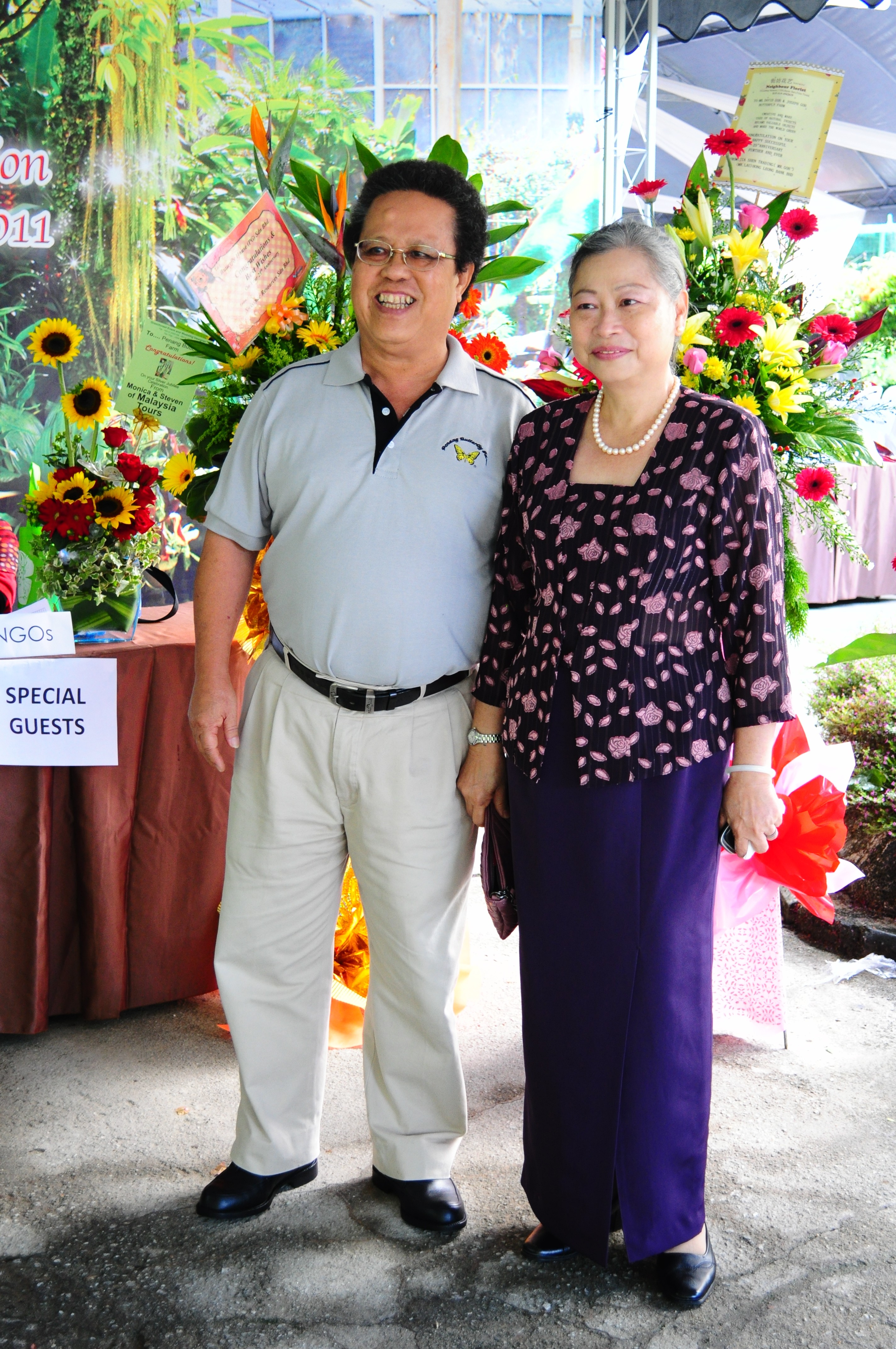
25 years and still counting!
Posted in Events & Workshops |
Sneak Peek 1
Painted Jezebel, June 20, 2011
Have you been to the newly transformed Penang Butterfly Farm? If you have, do leave us some comments.
If you haven’t here’s some snapshots to get you excited:
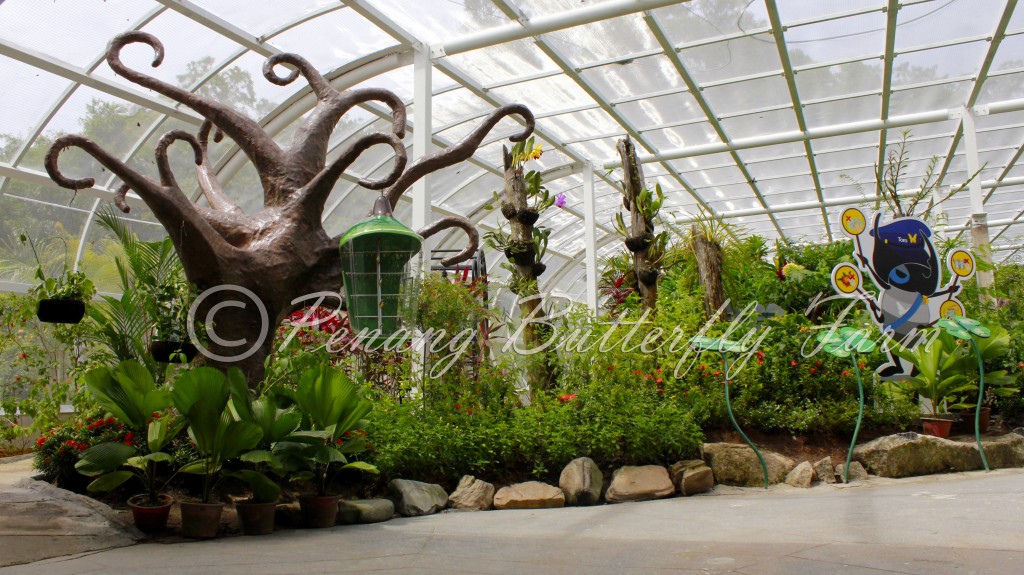 A sneak of the new garden…
and……
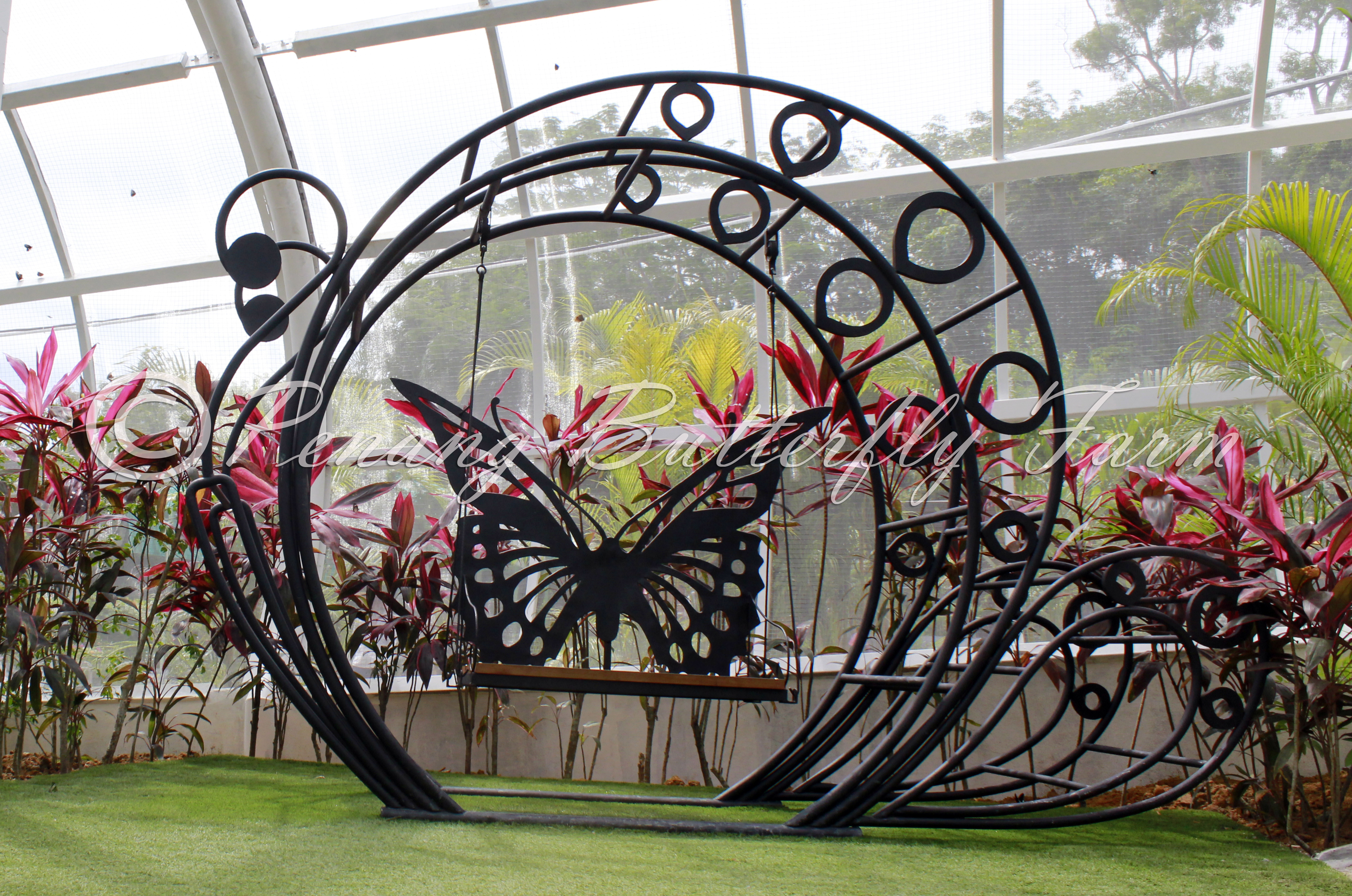
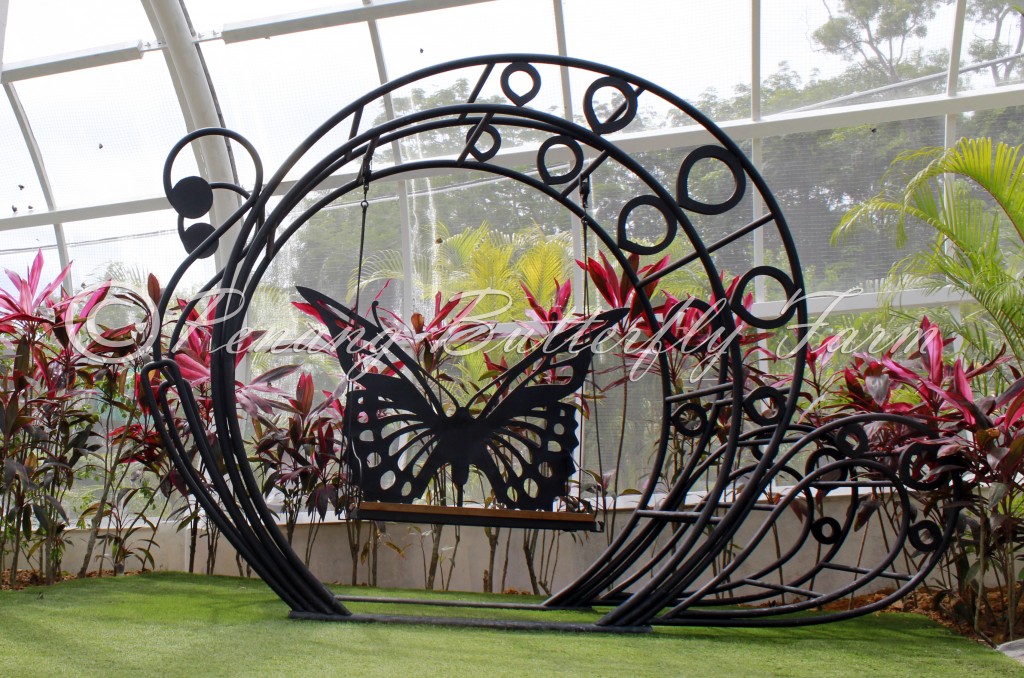 Tadaaa… our new swing! And it has a name: The Swing of Love.
Well, what are you waiting for? Come and experience the new look!
And stay tune for more sneak peeks 😉
Posted in Latest News, Sneak Peek |
Cricket Thermometer
Painted Jezebel, June 13, 2011
When everything else is silenced at night, you’ll hear the crickets’ chirp.
Apart from frequently used as the background sound of a night scene in the movies, or as your gecko pet’s lunch, crickets have another bizarre purpose; a thermometer (surprise!). Weird but, yes, we can actually estimate the surrounding temperature by counting cricket chirps!
(By the way, you don’t need to get Myth Buster to confirm this because Wikipedia has all the proofs you need.)
It was this guy name Amos Dolbear who formulated the Dolbear’s Law that states the relationship between air temperature and the rate of which cricket chirps. He published the law in 1897 in an article called The Cricket as a Thermometer. (Source: Wikipedia)
 Yeap, that’s Dolbear right there.
So how to calculate?
In Fahrenheit (°F)
The number of chirps in 15 seconds is added to 40.
For example: The cricket chirps 44 times in 15 seconds.
Therefore, the temperature would be: 45 + 40 = 80°F
In Celcius (°C)
The number of chirps in 8 seconds is added to 5.
For example: The cricket chirps 20 times in 8 seconds.
Therefore the temperature would be: 20 + 5 = 25°C
However the formula is more accurately applied to a particular species of tree crickets, Oecanthus fultoni, or commonly known as the snowy tree crickets, which are usually found in North America. Here’s a photo of it:
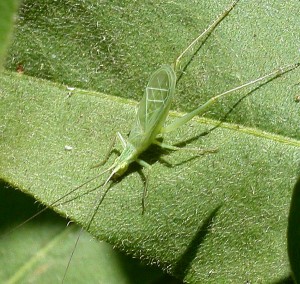
Amazing little thing, isn’t it?
Posted in Insects, Mother Nature |
Women who practice what they preach
Painted Jezebel, March 8, 2011
It’s the 8th of March, ladies! Look into the mirror and tell that woman you see, “Happy International Women’s Day, beautiful!” And to all gentlemen don’t forget to honour the woman around you especially today.
The nature has always been regarded as woman, for example how we call it “Mother Nature”. An unknown author was also quoted saying “A virgin forest is where the hand of man has never set foot.” Today hundreds of women from all over the world are making great impact to world as they speak out on behalf of Mother Nature. Women of different places, skin colour, and culture but speaks one same heart: the love for the Mother Nature. Let’s take a look at some of these ‘goddest of green’.
The daring good hearts from Hollywood:
• Daryl Hannah
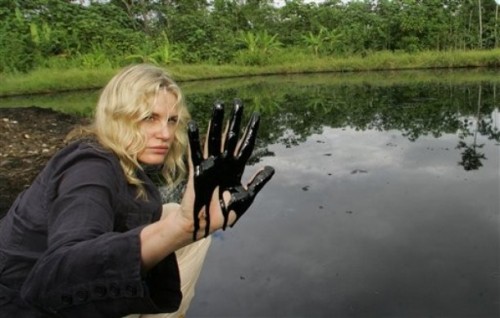

This American actress isn’t just beautiful on the outside but shines her beauty through her deep love for the environment. She is one Hollywood bombshell who’s not afraid of being controversial or even getting jailed in her moves to spread environmental awareness. On June 13, 2006, Daryl was arrested, along with actor Taran Noah Smith, for her involvement with over 350 farmers, their families and supporters, confronting authorities trying to bulldoze the nation’s largest urban farm in Los Angeles. In the protest, she chained herself to a walnut tree at the South Central Farm for three weeks to protest the farmers’ eviction. She once drank biofuel to prove its safety and dipped her hands in the oil-contaminated water in Ecuador. This woman deserves respect! Check out her cool funky web: http://www.dhlovelife.com
• Janice Dickinson

Janice is a supermodel who now owns her own modelling agency called The Janice Dickinson Modeling Agency, which she documented into a reality show for a few seasons. On one occasion she invited Dan Matthew, a PETA VP to share to the models in her agency about the ugly truth behind obtaining animal fur for garments. She then challenges her models to involve themselves in a campaign against wearing animal fur.. On the event, Janice along with her models strutted down Hollywood Boulevard shouting the slogan “Rather go naked than wear fur” in their undies.

Local fame:
• Maya Karin (Malaysia)

God blessed Malaysia with this beautiful celebrity, who has actively involved herself in local environmental campaigns (although not as whacky as Hollywood). She is an ally to WWF, Malaysian Nature Society, Ministry of Environs and the media. She was brought up by nature-loving parents and she grows into an influential celebrity with a green mission. She was appointed by the Ministry to be involved in creating awareness for the International Year of the Reef in 2008. She has also been actively campaigning Plastic Bag Recycling and supports the “Say No to Coal Plants in Sabah” campaign. We do need more of good seeds like Maya! More of Maya at http://www.mayakarin.com
For the love of trees:
• Julia Butterfly Hills
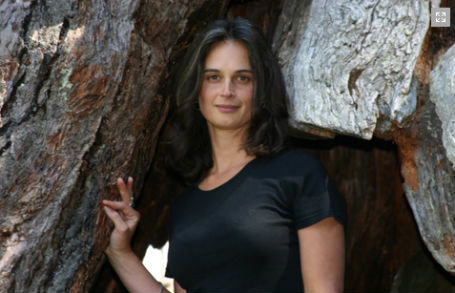
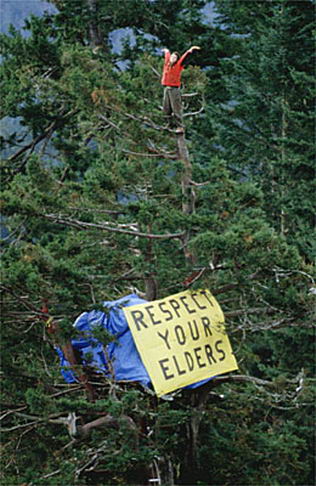
Julia is an American activist & environmentalist. She earns great respects from nature-lovers as she spent 738 days living on a tree. Like literally. On a tree. Julia lived on a 60×60 platform on a roughly 1500-year-old, 55m tall California Redwood Tree, which she affectionately named “Luna”. She did this in protest to the Pacific Lumber Company from logging it. She ascended the tree on December 10, 1997 and pledged to not leave until an agreement is made. Finally in 1999 the company agreed to preserve Luna and all the trees within 200 feet buffer zone, and in exchange, of course, Julia descended the tree. Her devotion has brought nationwide attention, spreading awareness of deforestation. Paul Donahue wrote about her in The Maine Woods publication entitling the article “The Butterfly Who Would Save a Giant”
Never too young:
• Bindi Irwin.

Everyone knows Bindi’s famous late father, Steve Irwin, the Crocodile Hunter. She starts appearing on TV shows as young as age 2. After the tragic death of her father, Bindi shines on the message of love for the nature. Bindi is a global ambassador for Wildlife Warriors Worldwide. She has also launched her own clothing line, called Bindi Wear, with 100% of the profits going to the Australia Zoo’s conservation programs. She has tried her hands at acting, singing, dancing, and rapping; all for the purpose of sending her conservationist philosophy. This year, she’s only 13. And she has done all that. (Shame on most of us)
Never too old:
• Sylvia Earle
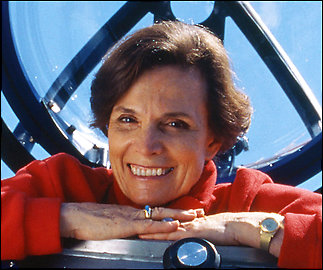
In 2010 Sylvia Earle may be a 74 years old Oceanologist, when the issue of the oil spill in the Gulf of Mexico happened, but that does not stop her from being directly involve in speaking out on behalf of the ocean regarding the disaster. She has been speaking out ocean conservation message for years, publishing books and conducting campaigns. Not sure if she ever thought of retiring. (Shame on us young people)
These women prove to us that you can be ordinary to do the extraordinary and speak out for our Mother Nature. Hope you’re inspired! 🙂
Once again Happy International Women’s Day!
Posted in Nature's Motivation |