Malaysian Champions
Painted Jezebel, September 14, 2012
Its the time of the year when we remember the formation of our beloved country Malaysia. In this Malaysia Day edition, we would like to highlight some ‘little Malaysians’ that has made it into the world records. Lets take some time to appreciate our local champions, shall we?
1. The Longest Stick Insect
Apparently the world’s longest stick insect is a Malaysian species, known as Chan’s Megastick or Phobaeticus chani. One of these megasticks made it all the way to Natural History Museum of London, measuring 22.3 inches (56.7 cm) with its legs all stretched out to the front, like this:
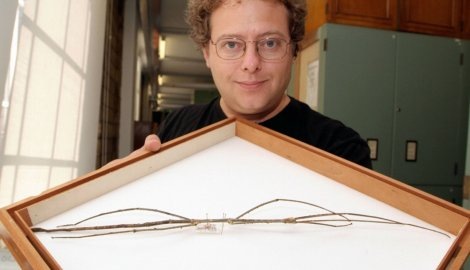
source: fox news
Chan’s Megasticks are found in Sabah, our beautiful “Land Below the Wind” and scientists announced this species to be among the top 10 new species described in 2008. Thanks for making us proud!
2. The Heaviest Stick Insect
Durians are not the only spiky prickly things in the forest of Malaysia. Meet one of the heaviest stick insect, the Thorny Stick Insect or Heteropteryx dilatata in scientific tongue. Some refer these creatures as the Jungle Nymph. The females of these species are able to weigh around 50-60 grams, which is about the weight of ½ cup of sugar. The females could grow to around 6 inches (15 cm) and they are twice the size of the males. You might wanna think twice before handling these creatures… just look at the spikes! 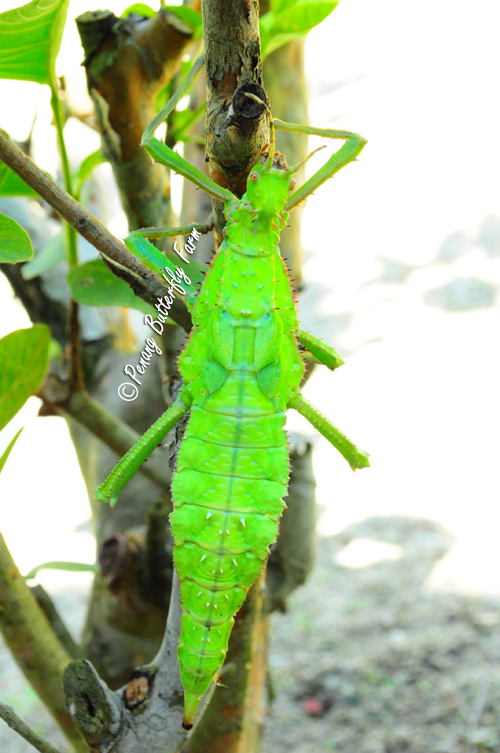
3. The Largest Leaf Insect
The Leaf Insects, as the name suggest, look exactly like leaves and that is where they usually literally hang out –among the leaves! Malaysia is home to the largest species of leaf insect, known as Phyllium gigantum. Members of this species could grow up to 5 inches long and about 3 inches wide. Apart from looking like leaves, they eat leaves too and not only that, they tend to act like one! When the wind blows, these little actors will sway like how the leaves would. So the next time you hike into Malaysian forest try spotting them if you can. 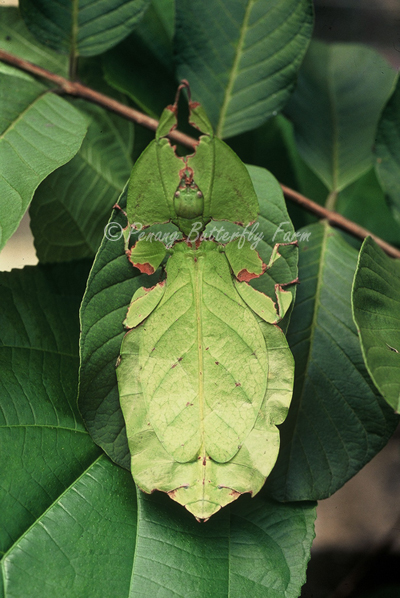 4. The Largest Cicada
One of the largest cicada (and possibly the loudest or most annoying) comes from Malaysia. We certainly do have many champions, don’t we? The champion’s name is Pomponia imperatorial or the Empress cicada. With their wings spread out, they measure 20cm (wingspan) and their body can be around 3 inches long. They are brown in colour and can be a quite an irritating house visitor as they can be quite hysterical around lights and can be very noisy. Someone should check if they’re the world’s noisiest cicada.
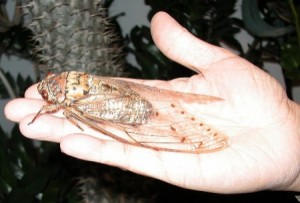
Source: www.agr.gc.ca
These are just a few examples of Malaysian champions of nature. Malaysia is not only diverse in culture and races but also rich in biodiversity. There are so much more to discover and perhaps someday we will receive more surprises when researches find more little champions. may this Malaysia Day will not only remind us the roots of our country but also remember to appreciate how rich our mother nature is. Happy Malaysia Day!
Posted in Insects |
Gynandromorph Rajah Brooke’s Birdwing!
Painted Jezebel, August 10, 2012
Penang Butterfly Farm has a big surprise yesterday (9 August 2012) when a rare butterfly was spotted! Well, Rajah Brooke’s Birdwing may not be so rare but a gynandromorph one, sure is very rare!
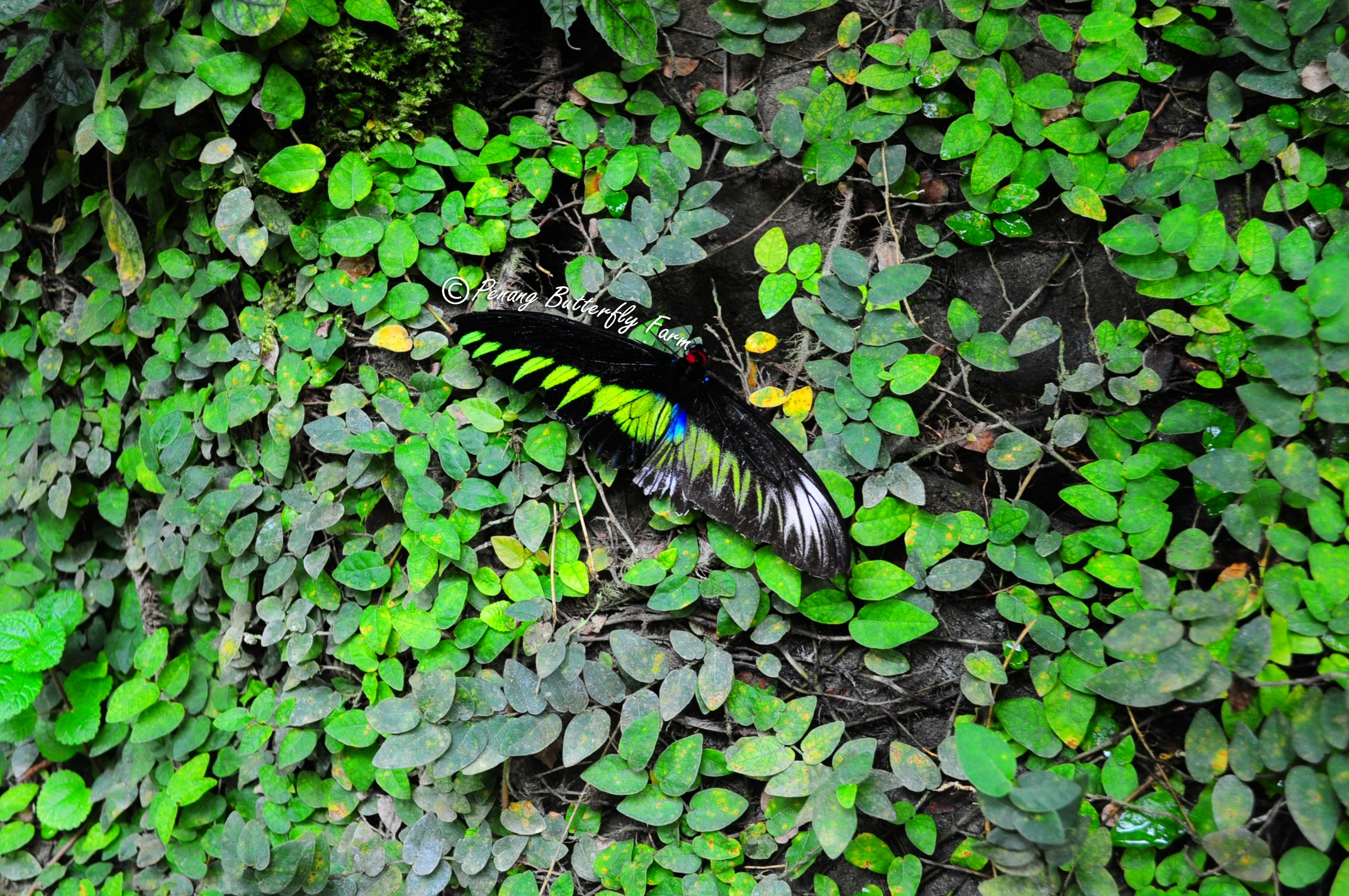
What is “gynandromorph”?
Gynandromorph refers to organisms that display both female & male traits. In other words, they are both male & female. This happens to butterflies but chances of finding them are rare. Here’s the comparison to the normal Rajah Brooke’s birdwing:
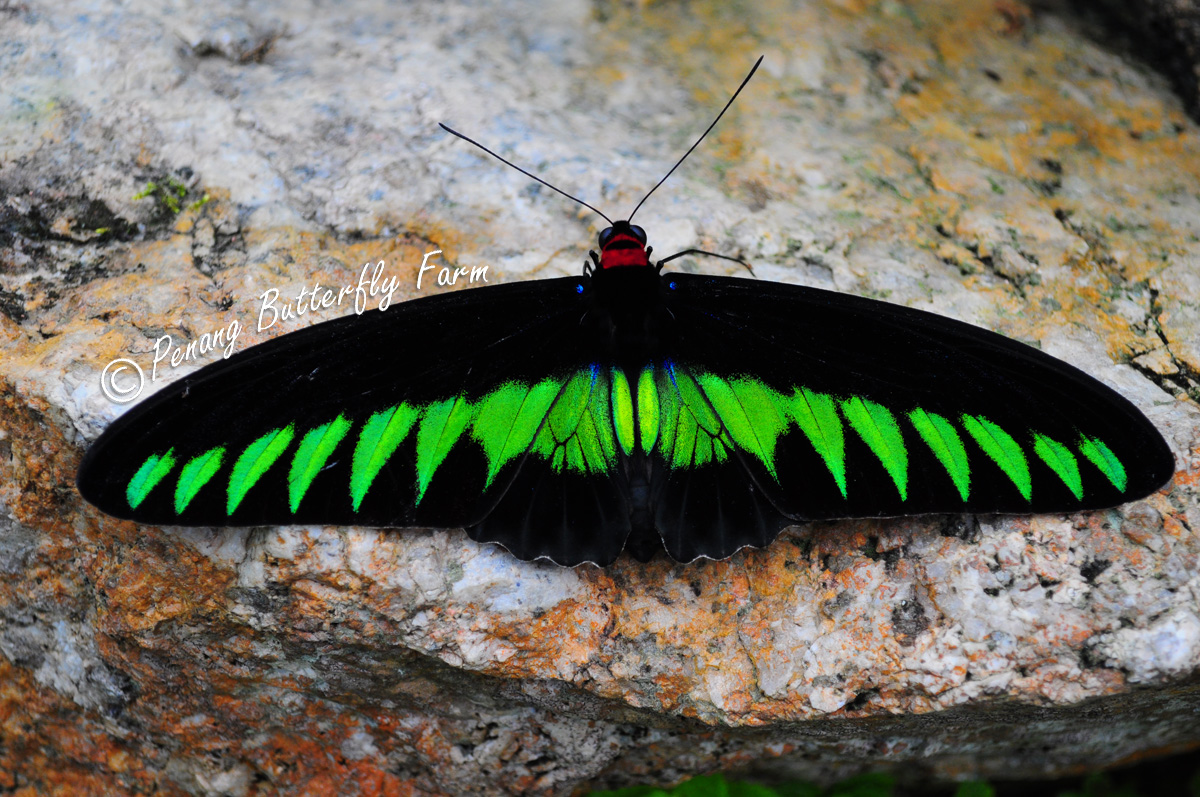
Male Rajah Brooke’s Birdwing
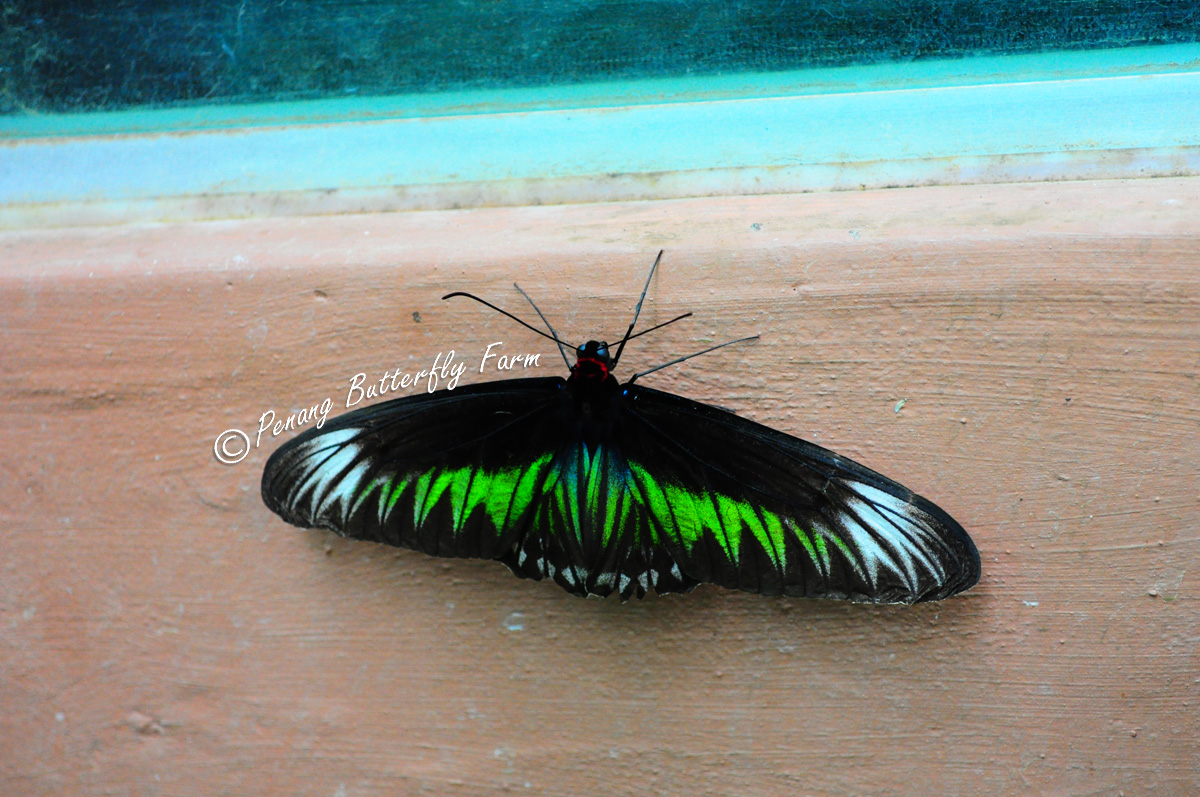
Female Rajah Brooke’s Birdwing
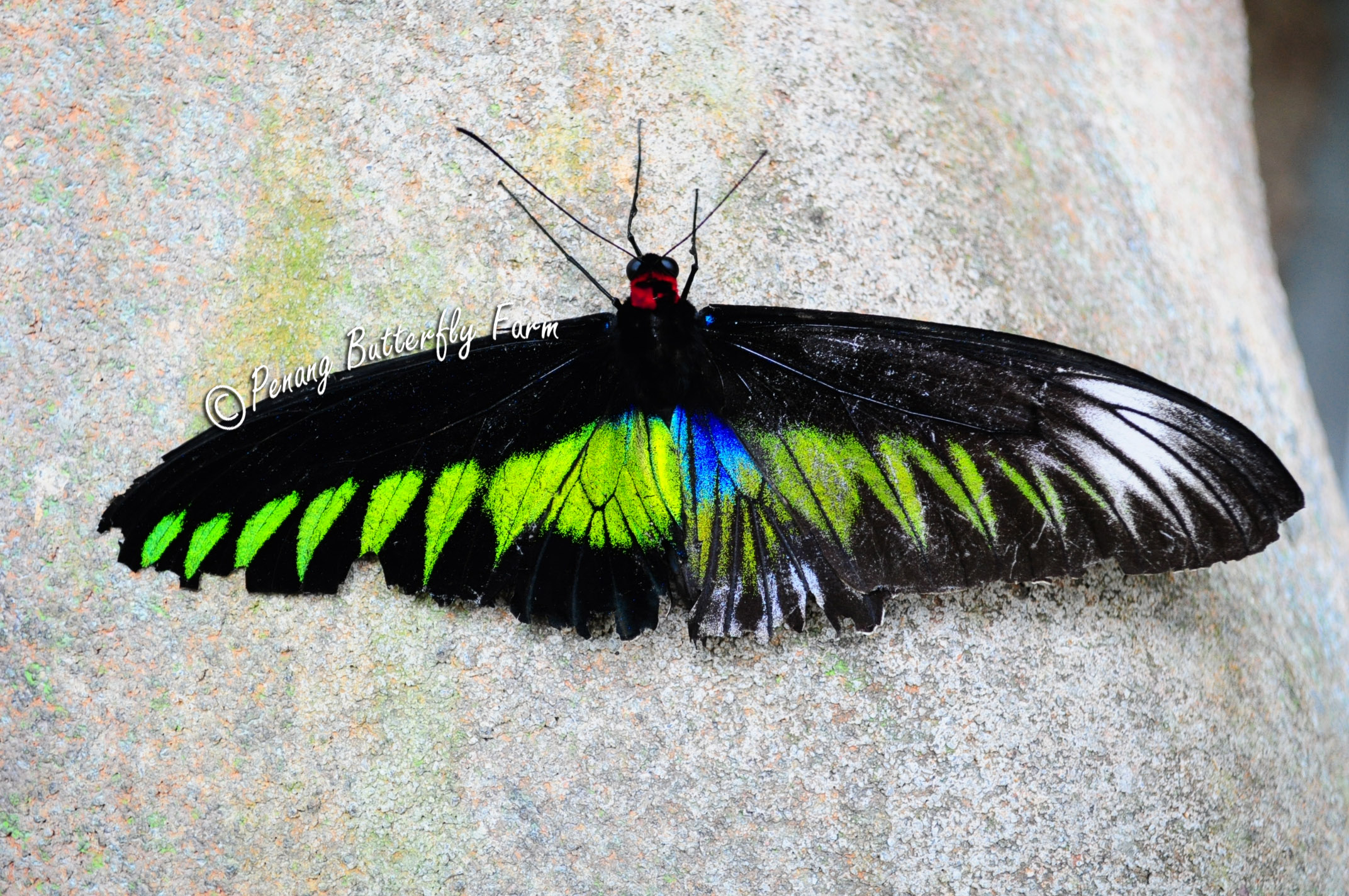
Gynandromorph Rajah Brooke’s Birdwing
Notice that the gynandromorph butterfly has the male feature on one wing and the female features on the other. This even applies to its abdomen, where it is male on one half and female in the other.
Gyandromorph butterflies are known to be infertile. That means they are unable to reproduce.
Nature comes in all shapes and sizes. Isn’t nature just amazing?
Posted in Butterflies, Insects, Latest News |
Goodbye, George.
Painted Jezebel, July 10, 2012
“On 1 December 1971, (Hungarian) snail biologist, József Vágvölgyi & his wife Maria were on Pinta when they came face to face with a giant tortoise. ‘The tortoise was walking slowly when he first encountered him but withdrew into his shell with a loud hiss as we moved closer to take his picture’, Vagvolgyi recalled. ‘He soon relaxed and resumed his walk.’ ” – from Lonesome George: The Life and Loves of the World’s Most Famous Tortoise by Henry Nicholls

Source: nowpublic.com
24 June 2012 was a sad day for the environmentalist, scientists, turtle fans around the globe when the infamous Lonesome George was found dead. Lonesome George was estimated to be 100 years old, though he could be younger or maybe older. Not a soul can precisely sure. Despite many conservation efforts to find him the right mate, this last surviving Pinta Giant Tortoise did not leave any offspring to sustain his subspecies. Our world witnessed yet another extinction right before our eyes.
George must have been through so much the last 100 years. If George could speak, I’m sure he has many stories to tell. From how Pinta Island was when he first hatch, to the day he was spotted walking alone by József Vágvölgyi.
What George must have seen the last 100 years?

Source: avaxnews.com
George might have seen his beautiful Pinta Island untouched with plenty of food to eat and probably some tortoise a lot bigger than him. He must have watched whalers and seamen slaughtering his seniors and start wondering why. Back then, maybe he was much smaller and faster, so they missed him. Or maybe seeing the massacre, he went into hiding. But he sure is one lucky tortoise to survive those merciless act.
George must have felt puzzled to see some furry, 2-horned creature making unusual sounds who are eating his food. Maybe he never knew they were called Feral Goats and had his own name for them… like Lucifer? And George must have noticed that day after day, there’s more and more of them. And must have realized that it gets harder to find food.
On the 1 December 1971, while walking around probably in search of a friend and some food, George must have been very frightened to see two humans in his homeland. He must have thought they were so similar to the beings who were slaughtering his kind. He mustn’t have expected that this incident leads to the many efforts to keep him & his kind alive.
George must have felt really confused and was full of questions when he was taken to the Charles Darwin Research Center. He probably to finally meet other similar looking creatures (if he knew how he looked like). George must have seen so many flashlights & hearing ooh’s and aah’s while he was there. He must have met many celebrities but didn’t know who they were.
But above all that, George must have been searching all his life for that perfect female partner. Maybe he did and she died. He must have been wondering where are the rest of his kind. In the midst of the crowd, he must be wondering if he really is the only one in the world. George must have felt lonely.
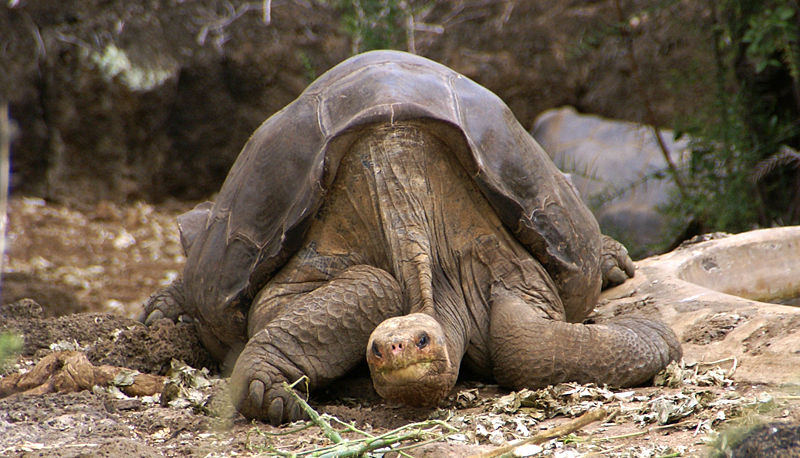
Source: Wikipedia
Are the Pinta Giant tortoise gone forever?
Ever since Lonesome George was found, people had been putting huge effort to find a female Pinta Giant Tortoise. The government of Ecuador had also announced that $10,000 will be rewarded to the person who can get female for George. Till the day he died, a pure-bred female was never found. However, researchers believe that there may still be Pinta Giant Tortoise out there, or at least the hybrids of them, because they might have interbred in the Isabella Island. But with the current environmental destruction, pollution and climate change, could these remaining tortoises survive for long?
Lonesome George has always been the world’s conservation icon, reminding us be alert & care for our mother nature. His death should not mean the end of this message. In fact, his story will forever be an echoing reminder to mankind. We might only be able to hope for a miracle for this subspecies, but one thing for sure, we still have time to save other endangered species around us.

Source: toonaripost.com
Farewell, George. You will always have a special place in our hearts.
Posted in Mother Nature, Reptiles |
Blessing in Disguise
What is ‘Camouflage’ ?
The word ‘Camouflage’ which originates from French which means ‘disguise’ or ‘concealment from disguise’ has been in use since the early 20th century. The one and only thing that revolves around the real life is the art of survival. Thus, the usage of bio-mimicry among organisms has become an important mechanism to avoid exposure. By camouflaging, animals blend with their natural surroundings to a level where their presence is almost undetectable. Insects too come under these category of organism where blending occurs via the change of phenotypes (body colours and shapes). Some insects have unusual patterns genetically which makes it impossible for us to see its body shape against a background. On the other hand, some insects have body structures which carry the resemblance of objects present in their environment such as leaves, branches, sticks, flowers and tree bark. This mechanism has been known to be one of the most profound method used by animals and insects to protect themselves from possible predators.
The art of camouflaging fall into three categories:
a) Crypsis – Act of blending in with their surrounding
b) Mimesis – Resemblance of the objects around their environment
Now, since you have received some informational dose on the basic information related to camouflaging, it’s now time to introduce to you the ‘Phantom’of the insect kingdom! Yes! We are referring to the insects that camouflage themselves.

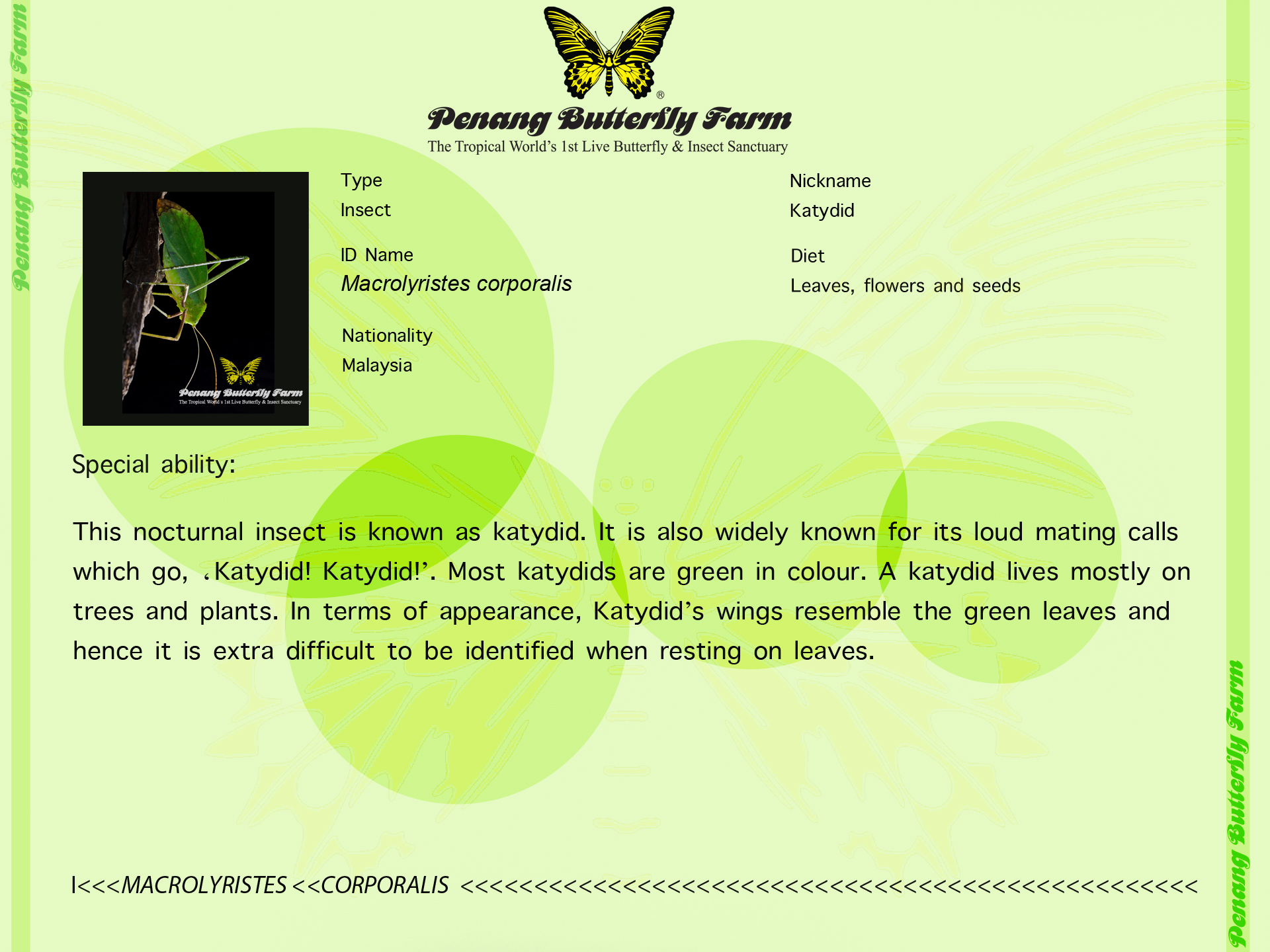
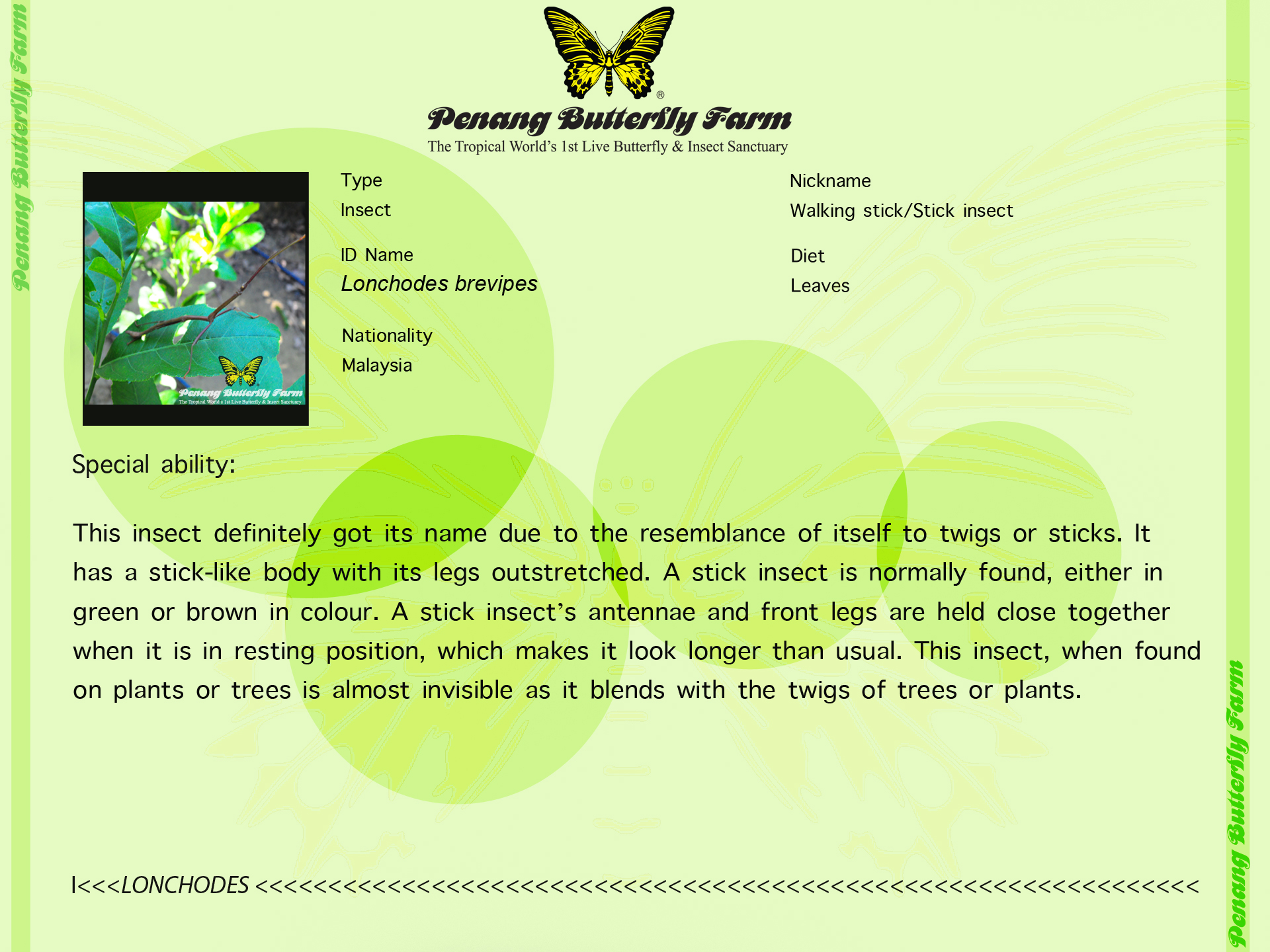


Now that you have met the “Phantom” of the insect kingdom, who said insects do not play tricks on us? Well, they do! They always did! And they always will in the name of survival of the fittest. Hope you learnt a lot from the post today.!
Posted in Insects, Mother Nature |
Invasive Alien Species: Biodiversity’s Threat.
Painted Jezebel, April 13, 2012
How many of you have this images in your head when ‘invasive alien species’ is mentioned?

Now an alien from outer space may be fascinating, but in our environment today, invasive alien species are being a problem to our biodiversity. These ‘aliens’ are not exactly short green and big-headed creatures from planet X, but rather, familiar animals and plants being at the wrong place.
What is invasive alien species?
Modernization has allowed human to bring organisms into places where they are not found. For example a Malaysian beetle being brought into South America. When any non-native are introduced to an ecosystem to where they have no (or not enough) predators, they become dominant in the environment. They are called invasive alien species. Many of them disrupt the population of the local species and affect the habitats they invade.
How do they affect the environment?
Because invasive alien species do not have effective predators and survive well in the new environment, their population becomes out of control. This becomes the big problem to the food chain in that habitat. If they feed on plant, plants will be devastated. If they feed on other local animals, they drive these local species to extinction. If they are plants, they compete for nutrient & sunlight with local plants. Many alien species carry and spread germs that harms the local species.
Example of these aliens?
The Story of Feral Goats in Pinta Island
The Pinta Island, a member of the Galapagos Island host many unique species such as giant tortoises, marine iguana and fur seals. The beautiful place became an environmental nightmare when feral goats and other animals were introduced into the island by pirates. Feral goats impacted the vegetation badly by clearing off plants, leaving no food for the Pinta Giant Tortoises. So badly, that there is ONLY LAST KNOWN Pinta Giant Tortoise left in the world, named Lonesome George. He is now kept in Charles Darwin Research Center in Santa Cruz Island. Intensive efforts are being made to hopefully find Lonesome George a partner before it is too late for this subspecies.
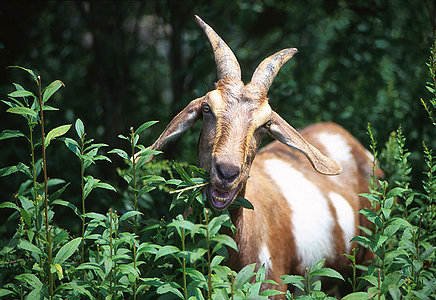
Feral Goat. Source: Tree Of Life Web Project http://tolweb.org/Capra_hircus/51070
The Story of Yellow Crazy Ants in Christmas Island.
The Christmas Island’s ecology is another victim to invasive species. Ever since the yellow crazy ant was accidentally introduced, Christmas Island was never the same again. As the name suggest, these ants become erratic and turns into complete crazies when they are disturbed. These crazy ants feeds on wide variety of food including seeds, grains, decaying matter, vertebrate corpses but worse of all, arthropods. These ants are capable of attacking arthropods like insects and crabs, and dragging them into their colony. The Christmas Island’s red ground crabs are often the victim of these ants. Because the crabs has an annual migration, their movement disturb ant colonies, which resulted in huge red crab massacre. They have killed 30% of the initial crab population, which is about 20 million crabs! Studies has also shown that many other wildlife in Christmas Island had reduced in population numbers ever since the yellow crazy ants invaded.
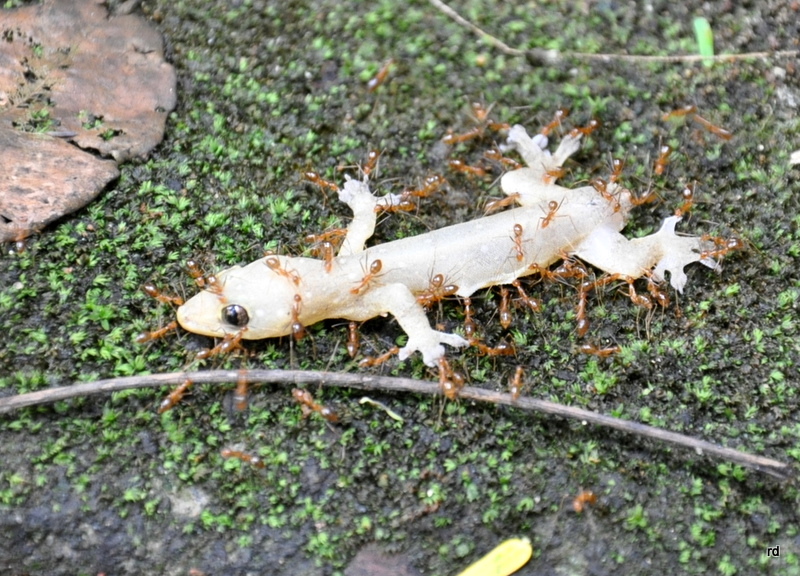
Yellow crazy ants dragging away a lizard. Source: Wikepedia.
That’s not just it
These are just 2 of the many stories of invasive alien species. There are many more known trouble makers, around the world such as the Asian Carp in America, Burmese pythons, Zebra mussels, Lion fish, Africanized bees and Cane toads. Not forgetting rats that has invaded many-many parts of the world, and carry deadly diseases. One of it was the Black Death, where the plague killed 30-60% of Europe’s people between 1348-1350. European rabbits are known to be a great devastator to Australian, where 24 rabbits released in 1859 had multiplied to 600 million in 1937. They ate up vegetations, removed topsoil and threatened local species.
Invasive alien species has indeed been a serious problem to our biodiversity. Based on the IUCN Red List of Threatened Species, 20,435 species of plants and animals are affected by invasive species, including 801 that was declared extinct. These stories should be a lesson to mankind on the importance of preserve how nature has been placed. These are also lessons to us to realize how small things lead to big problem. There’s always a reason and purpose for different things to be at their designated habitat and environment. Nature has always been the smart one 🙂
To know more about what’s going on with Biodiversity, including other threats to the environment and endangered animals, head over to Penang Butterfly Farm’s Biodiver-City hall in the indoor exhibition area 🙂Posted in Mother Nature |
Stuffs about our Staffs: Botanist
Painted Jezebel, March 9, 2012
This time in Stuff about our Staffs is featuring a very special and experience person in the farm, Mr. Zaino Alam or better known as Pak Alam. He is the botanist of Penang Butterfly Farm, responsible for the plant care and the landscape.
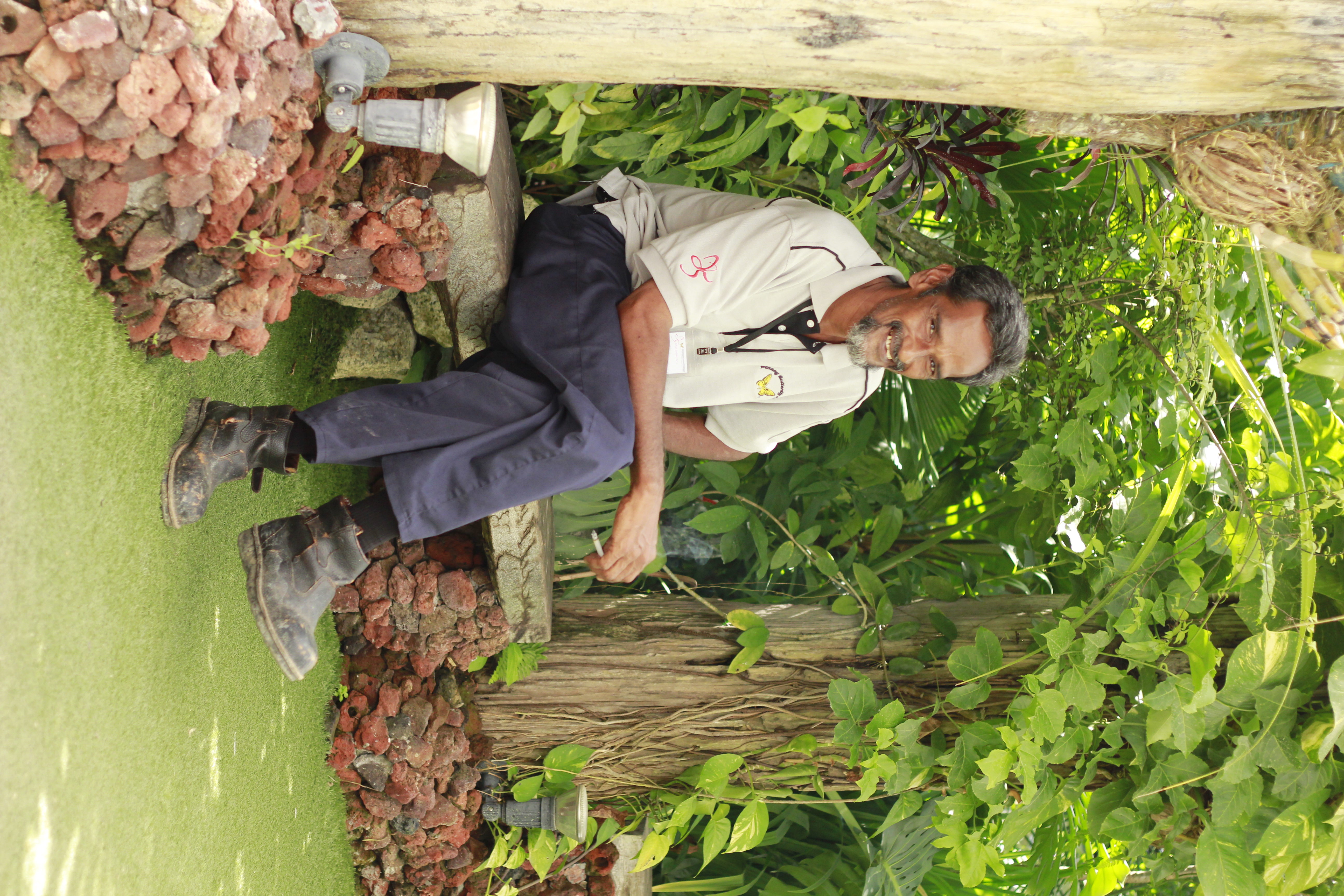
He’s been serving the farm for a really, really long time. He was involved with the farm setup before the opening in 1986, before leaving some time later to work elsewhere for a few years. He then came back to work in Penang Butterfly Farm in 1999 and had been faithfully serving until now. However Pak Alam’s job as caretaker of plants dated way back before then. He started in 1974 as a garderner, with the salary of RM30 per month. Yes, you read that right, RM30 per month (approximately 9.90USD). He was only 16.
His skills and experience are not just plant care but deeper into the beneficial uses of plants for medical purposes and survival skills of venturing in the forest. His passion for botany started as a teenager, alongside with the love for bonsai, and antiques. He had to leave school after completing Primary 6 (12 years old) due to poverty, but that did not stop him from learning and doing what he enjoy most.
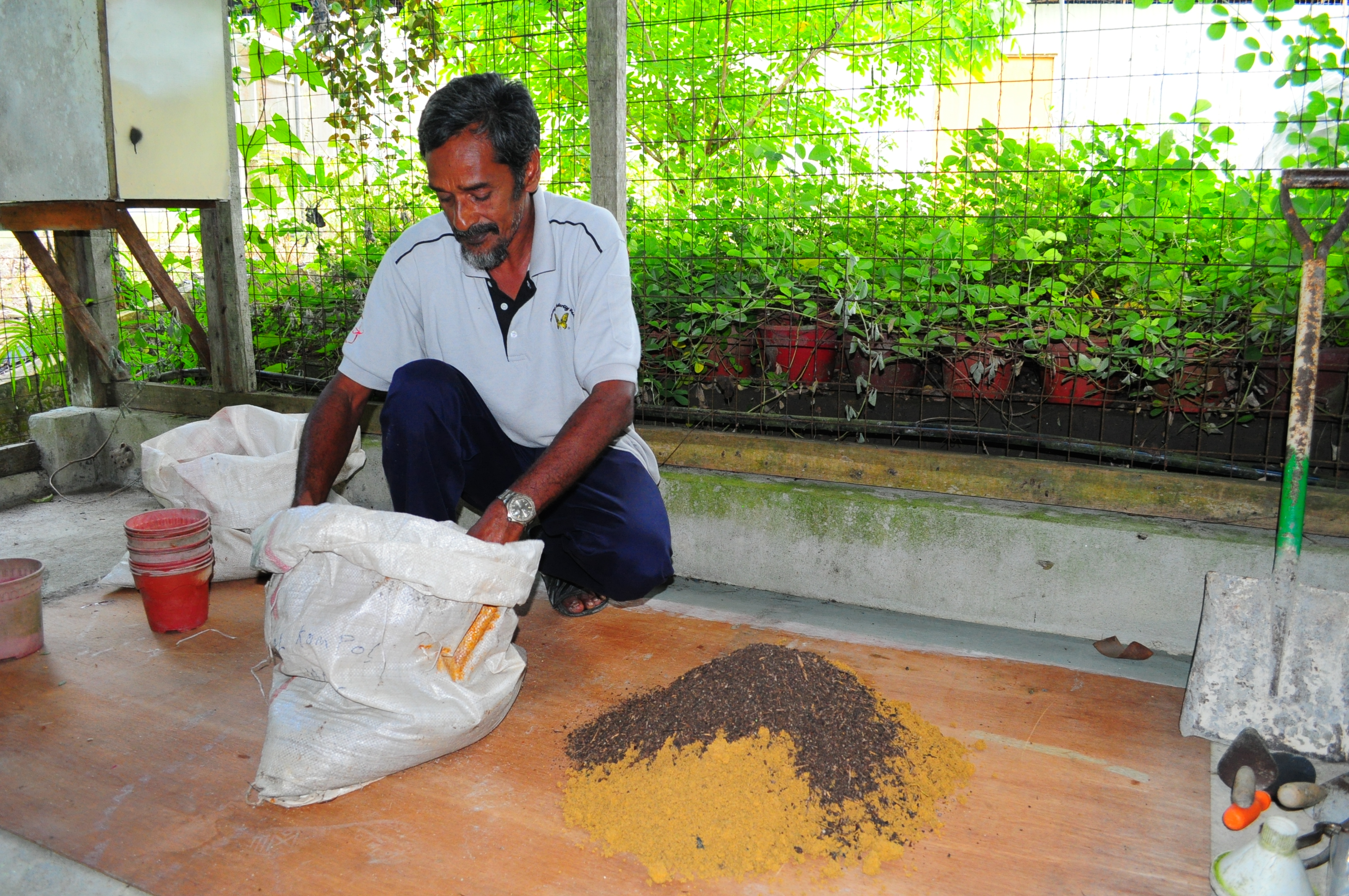
When I asked what is his favourite plant, he smiled widely and said, “Orchids. Definitely orchids.” As I join in his giggles, he adds “but not the common and easy orchids. I love the wild ones, the challenging ones. The orchids that people tell me it is difficult to rear, difficult to bloom, that is the orchid that I’ll love. The more difficult it is, the better. Like this one…” and he pointed to an orchid plant. “Bulbophyllum beccari. People told me it takes 1-2 years to see it bloom. It takes me just a few weeks,” he said with a smile of a humble victor.
Just by hearing him share a little knowledge about an orchid, you’ll know how experience and how deep his passion is for plants without directly hearing him saying so. It’s almost unbelievable that this man never attended high school. “I learn from people who are more experienced and knowledgeable than me. I humbly ask them questions and learn from them,” he said with his wrinkled yet gentle smile when I asked where he mostly get his botanical knowledge from.
He then talks about how we should humble ourselves to learn and never feel afraid of sharing this knowledge to anyone. He said, “We should never stingy with knowledge and should never be afraid that people who absorbs knowledge from us become greater than us.” He continues with his principal, “There’s a piece of meat in here,” as he points where the heart is, “and if that piece of meat is stinks, the person as a whole stinks. I want live what my religion taught me.”
My last question was what would he advice young people who are still pursuing their future careers. “Go for what you love, not money. You know what is the problem of young people these days? They go for the money, and live an unhappy working life. Loving what you do means, things you enjoy doing at home are the same as what you do at work. And more importantly seek for the experience, not the certificate. Experience is priceless. You can have as many certificates to form a long line, but in the end of the day its your experience and skills that people look for.”
Hope you’re inspired by Pak Alam’s wise words! We are grateful to have this great botanist. The next time you come to Penang Butterfly Farm, feel free to learn from him if you happen to spot him.
Posted in Stuffs about our Staffs |
Love is in the air~
Painted Jezebel, February 14, 2012
Valentine’s Day is here once again. It’s the time of the year when you’ll get to see more roses, teddy bears, nicely wrapped chocolates and everywhere seems themed with cupids and heart shapes. Men planning their words and acts for romantic dates while women are all doll up for it. All these effort in courting done to impress partners are surprisingly happening to not only us human beings, but to insects too!
Smell good to look good

Many insects are known to release some kind of ‘perfume’ to them, called pheromone. Male butterflies are known to release pheromone to signal their presence to a female they pursue. We humans may not know how they smell like, but perhaps to the female butterflies, they smell like one of those Hugo Boss perfume.
As for moths, the females release their ‘Chanel No.5’ and the male who caught the scent will pursue her. Sometimes it’s a race between males, since whoever found the lady first, he’ll win her. In some species, the males, with their specialized antennae are able to track them from as far as 2 kilometres. Girls, you might want to ask the moths for some perfume selection tips.
What you see is what you get
The sight is one important feature or channel for insects to find their mate. Male butterflies will flutter around and when he recognize the patterns the female of their kind, they will proceed to their next move.

source: anneofcarversville.com
Visual signals are important to fireflies in finding their mate. The males will be flying around, flashing the ‘light bulb’ on their abdomen. Each species displays different flash patterns or pulses. The females are known to be picky and would only respond to flashes that attract her most. Outer appearance matters to some beetles, particularly the females (sounds familiar?). Male beetles are usually the more striking looking ones compared to females because of this. And usually the females will choose the ones with most striking colours or bigger spots or brilliant pattern.
Songs and serenade

source: sunsetwestproductions.com
There’s a big reason why you hear crickets breaking silence with their chirps. They’re not just for sound effects, but that’s their bait for a mate. The male cricket chirps for attention and any captivated females would come approaching. While mosquitoes’ buzz maybe the most irritating sound to hear in bed but apparently its what they need to win a partner. In this interesting courtship, the male and female mosquitoes hum in different frequency, where male have higher one. Once they found each other, the females will increase her frequency, while the male lowers his. This frequency adjustment is made until at one point, they reach a perfect harmony.
Presents!
And you thought you’re the only one who enjoys getting presents?

source: accessscience.com
To win the ladies, a male hangingfly needs to get her the perfect gift. Not flower bouquets, or chocolates, but he will have to catch a prey (usually insects and spiders) and present it to her. If she likes the meal, she’ll mate with him and if she doesn’t she’ll refuse. Apparently, the bigger the meal is, the more attractive it is. So we humans are not the only creatures who enjoy a nice meal for a date.
So you think you can dance?
 If you’re a person who thinks that a good dancer is a good charmer, then you’re not the only one. Many butterflies perform, what we call a ‘courtship dance’ before they copulate. The male butterflies would fleet near his target and start fluttering right above her in special patterns. If the female is interested, she will then join him in the dance. We’re not sure what are her criteria for a romantic dance, faster shuffling or graceful moves or robotic dance. Whatever it is, when she said ‘I do’, together, they will flutter around before finding a sheltered spot to mate.
So, got some ideas of how to impress your partners tonight? Hopefully these bugs have not only inspired some romantic performance for today, but also help us appreciate our wonderful nature as we learn from them. Have a lovely Valentine’s Day!
Posted in Insects, Mother Nature |
Weird ways of using insects.
Painted Jezebel, December 15, 2011
Insects are among the most diverse group of animals, with about over 1 million species described. And aside from the diversity of their species and characteristics, there is such diversity in how we human utilize them. I’m sure many of you are familiar with bee-keeping for bee products, and insects as biological controls for unwanted plants, or even insects being eaten! Here’s a few more that might be new to you… but they sure are weird!
1. Bees stings and medicine.
source: altmedicinezone.com
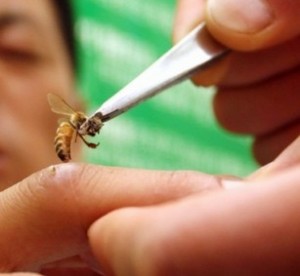
Have you heard of Bee Venom Therapy? While generally people avoid bees because of the fear for their sting, here’s a therapy that forces bees to sting you. Ouch! It may sound awful, but bee venom is known to have many properties that are medically beneficial. This includes anti-inflammatory agents (to reduce inflammation), as well as anti-bacterial properties (to kill bacteria).
Bee Venom Therapy is believed to be good for multiple sclerosis, Lyme disease and chronic fatigue. In the older days, they are used to treat arthritis, back pain and skin diseases. In this therapy the bees are stimulated to sting at affected area or what they call acupuncture points. The success of this therapy is very much debated and there are research proving its ineffectiveness. Well, effective or not, isn’t it weird?
2. Bees and wars.
source: seabeesmuseum.com
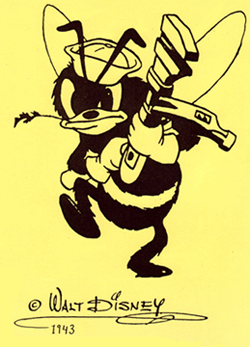
Bees seem to be useful in so many ways, not only human take advantage of their hard-working character to produce honey, we force them to sting as a therapy and in ancient time, their whole hive are used as ‘bombs’. Apparently, in history, the Romans catapult in bee hives to their enemies, unleashing angry bees as a distraction. The same strategy were used by the English armies and and Portugese. Some others set bee hives in front of their fortress or as barricades in their cities as a defence strategy against advancing enemies.
3. Dermestid beetles and skulls.
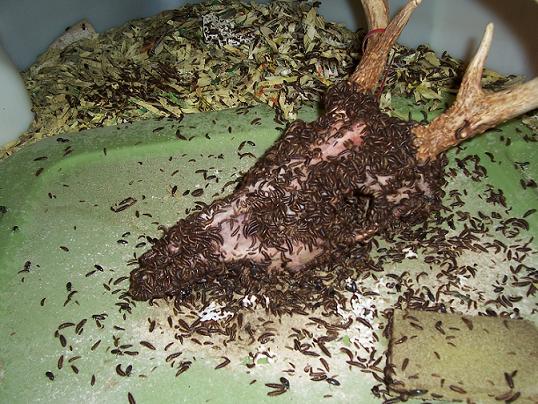
Cleaning up! (source: wattsskulls.com)
So here’s a combination of two creepy things: skulls and flesh-eating beetles. Ever wondered how museums, exhibitions and suppliers clean up their animal skull or skeletons? Yeap, they leave that job for the Dermestids beetles to do. Dermestid beetles are insects of the family Dermestidae. However, not all the members of this family are flesh-eaters.
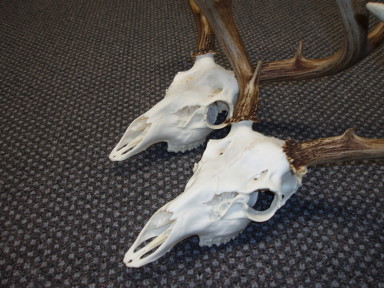
After (source: bonesandbugs.com)
Their ferocious appetite for dead meat are particularly useful for skull cleaning as they would clear every inch of flesh, even in the deepest and difficult angle. All this without causing damage to the bones, the way human tools would. They are even bred by exhibitors and suppliers just for this purpose. But to reduce the creeps, these Coleopterans feed only on dead flesh and do not seem to have the appetite for living things. Phewh!
4. Beetles and accessories.
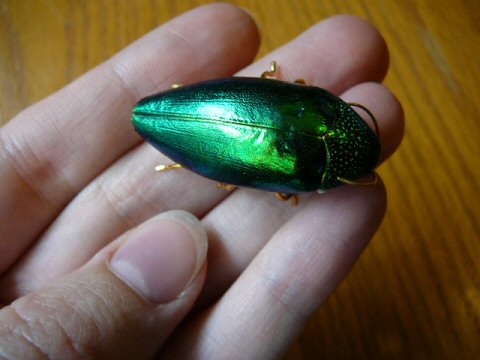
Beetle Brooch (source: weird-websites.info)
There is a family of beetles known as Jewel beetles, which are scientifically known as family Buprestidae. They are named so because of beautiful metallic colouration, which resemble jewels. They have huge varieties in colour including emerald green, metallic blue, red, yellow, purple… you name it. Ironically, because of the jewel-like features of these Jewel beetles, they are also made into jewellery. Literally out of the elytra (the hard forewings) of the bugs themselves. They are made into brooches, earrings, rings and pendants.
5. Insect fights.
Insect fights had been part of the cultures in Asia, including China, Japan, Thailand, Vietnam and Philippines. In these places, insects such as stag beetles, rhinoceros beetle and crickets are kept as pet for this purpose. Cricket fighting dated way back to the Tang Dynasty of China (618-907). Beetle fightings are especially interesting and it involves only male beetles.At the tournament, the beetles are triggered to battle by placing a female before them, or by noise-maker which imitates the female’s call for mating. The winners are determined by one insect pushing its opponent out of the ring, or when its opponent is being flipped over.
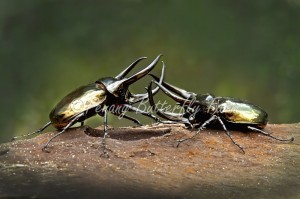
Its like mini sumo, isn’t it?
Posted in Insects, Natural Disaster |
Stuffs about our Staff: Nature Educationist
Painted Jezebel, December 1, 2011
The knowledge that nature can give is limitless. Everyday there will be new discoveries and new mysteries unfolded. It is our commitment to share the wonders of nature to the public, especially the younger generation, the ones who are the hope of our future. This is why we have Ms Shakirah, our Nature Educationist, here in Penang Butterfly Farm. Let’s take a look at what she has to say about her job.
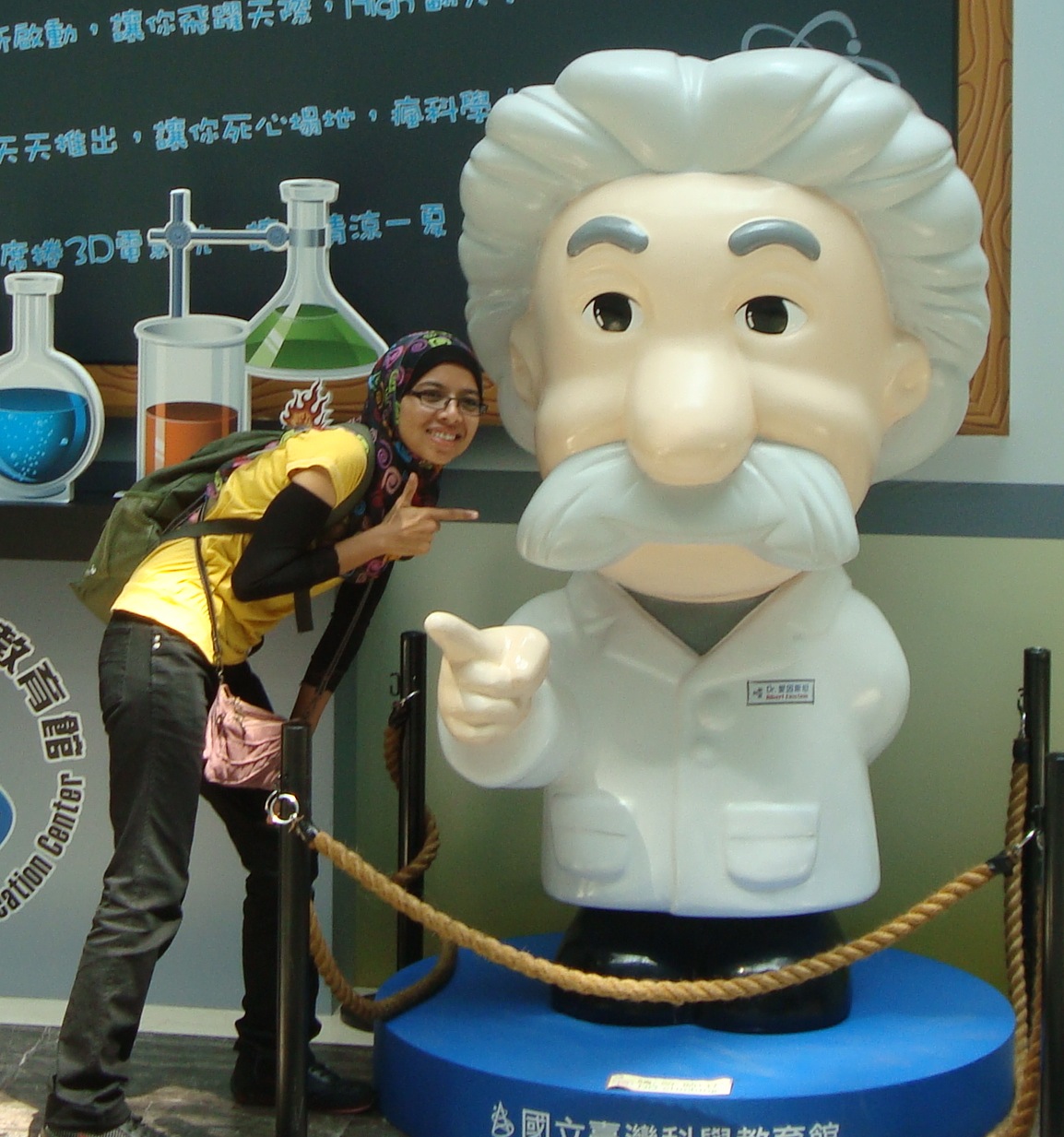
1. How long have you been working here?
Since May 2007.
2. What makes you choose to be a Nature Educationist?
I love children, so to see children everyday is the best job for me. I also love nature and animals…. except furry animals 😛
3. What do you actually do as a Nature Educationist?
As an Educationist in Penang Butterfly, I plan the activities that are suitable for children, run and conduct the education programmes. I am also the person arranging and dealing with teachers, parents and public regarding the education programmes.
 4. What is the one thing you love about your job?
I have the chance to meet children! 🙂 I also get to meet teachers and are able to exchange views on current issues related to the education system in Malaysia.
5. What are the challenges you face bring in this job?
To get children’s attention in class.
6. What would you advice young people who would like to take up this job?
They need to have patience, determination to do things and most importantly must love what we do 🙂
7. Last question, what you want to see people doing for the environment?
Awareness is something that should begin at home. Thus, parents play an important role in educating their children to appreciate what is around them, especially environmental issues.
———
You can have the chance to meet Miss Shakirah and learn from her about butterflies, insects, reptiles and amphibians through Nature Education Programmes. Contact education@butterfly-insect.com for more details 🙂
Posted in Stuffs about our Staffs |
Stuffs about our Staffs: Nature Specialist
Painted Jezebel, November 14, 2011
For our very first episode of Stuffs about our Staffs, we would like to introduce 2 of PBF’s Nature Specialist.

Reina
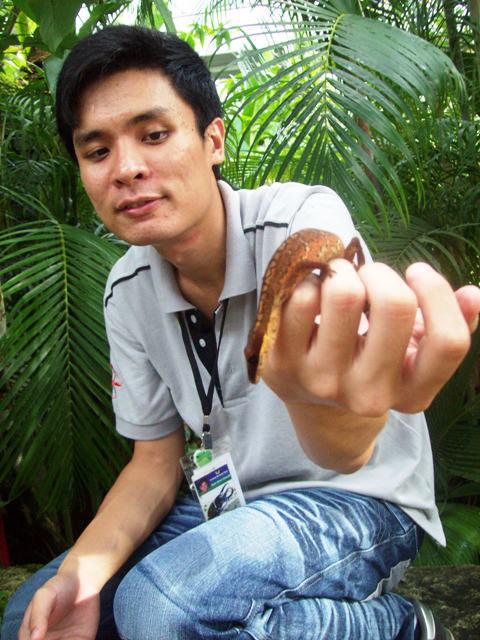
Gan
Meet Reina and Gan. They are the ones who guidethe visitors around the farm, bringing them to an up-close encounter with animals and plants. I’m sure some of you must have met them the last time you came. Let’s just hear what they have to say for themselves, shall we?
1. How long have you been working here?
Gan: 6 months.
Reina: I have been working at PBF for 11 months now.
2. What makes you choose to be a Nature Specialist?
Gan: Interest on insects & reptiles.
Reina: Ever since I was young I have been with butterflies and insects. Observing them in my father’s small garden and I am always fascinated by them. What best way to work than in a field that you grew up with, right?
3. What do you actually do as a Nature Specialist?
Gan: Be a Nature Guide who conduct a nature walk (provide informative facts about the farm’s animal) for visitors.
Reina: As a Nature Specialist we ensure that people who go inside PBF will come out with a smile on their faces and more appreciation with the beauty of nature. We answer questions, all sorts, everything about the environment and of course butterflies
4. What is the one thing you love about your job?
Gan: Have a chance to get close with the animals.
Reina: The one thing I love about my job is that I meet different types of people every time. They have different views about nature and God’s other creations. Every person has a different thing to share. You can learn a lot as well as share a lot.
5. What are the challenges you face bring in this job?
Gan: To get visitor attention on every single word that you share.
Reina: One of the major challenges is language barrier. Since we get people from different parts of the world it is not easy to explain interesting exhibits that we showcase specially if you can see that the person is really interested in what you have to say but quite don’t know how to reach out to you.
6. What would you advice young people who would like to take up this job?
Gan: Need to have passion & deep interest on those creepy-crawlies.
Reina: To be Nature Specialist is to love nature and people. You have to appreciate every small aspect of Mother Nature, see the beauty in it and help the person beside you see that beauty too. And of course you need to be prepared to be accepted or rejected since, not everyone has that interest to learn.
7. Last question, what you want to see people doing for the environment?
Gan: To get the attention of public on the important of wild life conservation, not only to those big animals (tiger, rhino), but also the care for those small bugs like butterfly.
Reina: It might sound funny or ridiculous to some but I hope to see people walking instead of riding cars or buses specially if the destination is just 1-3kms away. If there are more trees beside the road it will be nice to enjoy a morning walk or a late afternoon walk. Less exhaust from cars, healthy human being and more trees-everybody win.
Come over to Penang Butterfly Farm, and experience a Guided Tour with our Nature Specialists. Nature will amaze you 🙂
Posted in Stuffs about our Staffs |