Hydrogen oxide
Water = H2O, a very simple formula but it is one of the most essential element to all living organisms. A drop of water can save a life!

source: http://www.readingscripture.org/
This August, a water conservation event will be held in Stockholm, Sweden which is the World Water Week. This event has been hosted and organized by the Stockholm International Water Institute (SIWI) since 1991. It has since been an annual event for the global water issues. This year’s theme is Water and Food Security. The objective of this World Water Week is to work on a few of global issues related to water such as the effect of climate change to the earth’s water volume, the water scarcity issue especially in Middle East and as well as sanitation and hygiene crisis. Most of the collaborating organizations will gather in this event to assess activities and launch new initiatives and reports. For more information on this event, please log on to www.worldwaterweek.org.
According to this organization’s research, water actually has multiple purposes such as maintaining ecosystem balancing and act as a sink to dissolve chemical and biological substances. Global warming puts pressure upon water crisis, as water consumption is highly influenced by temperature. When the surrounding temperature gets higher, the more water will be used up to cool ourselves. On the other hand, the food crisis is an alarming world issue, as there is about 1 billion people still experiencing hunger and malnourishment, while overeating and obesity are on the rise. SIWI estimated that 1.5 billion people are overeating and 400 million are obese. This will cause ‘unnecessary’ pressure on both fertile land and water.
So, how does water function in our life? Why is water so important?
Water is important for food crops production – our major source of food. 1500 liters of water is needed to produce just 1 kilogram of grain. The existence of our protein source – fishes also depend on water to survive. Forests which provide us numerous resources also need water to supply the life of flora and fauna. Besides that, the electricity that we use comes from water, because water is an excellent, cheap, renewable and pollution-free source of energy to generate electricity.
Other than that, water helps our bodies to remove toxins in many different ways through perspiration and urination. This is why doctors always advice us to drink enough water daily. Adequate amount of water will lessen the burden on our kidneys and liver by flushing out waste products. Every one of us needs water and even the other organisms like animals and plants. An organism doesn’t need to be told how important water is to their existence. A frog knows that it has to lay eggs in the water and so does dragonflies.

source: http://www.amditechnology.com/2011/05/tips-to-save-water.html
Although water covers more than 70% of the Earth; only 1% of the water is available as a source of drinking. Yet, our society continues to contaminate this precious resource. Typically, when the water supply is ample, we tend to use it carelessly and waste a lot of water. But our daily routines are interrupted when there is water shortage. It is almost impossible to do anything like bathing, drinking, cooking and cleaning. The day without water causes a lot of pains. However, a day without water will only makes us realize the importance of water.

source: http://oilygulf.wordpress.com/quotes/
The practice of saving water should begin now, even when we have all the supplies we need. Here are some tips:
- Don’t run the washing machine unless you have the full load. You can save approximately 3785 liters of water a month if you start practicing this step.
- Fix the faucet and leakage, so you can stop water dripping from the pipe and this small drip can waste up 35 liters in a day.
- Harvest rain water to wash the drain of your house or to water your garden.
- Turn off the tap water while brushing your teeth or while applying the soap to your hand. This simple little act can save 95 liters a month.
- Take short shower, challenge yourself to have a shower within 5 minutes. Shorten your shower by a minute or two and you’ll save up to 567 liters per month. Always choose to shower instead of a bath.
- Don’t wash the vegetables under the running tap. Instead, soak it in a container and try to reuse the water for cleaning the lawn or watering the plant.
- If you accidentally drop ice cubes from the freezer, don’t throw it to the sink. Drop them in a house plant.
- Monitor your water bill every month for unusually high use. Your bill and water meter are the tools to help you discover any leaks.
Our nature, our future!

source: http://www.unwater.org/worldwaterday
Posted in Climate Change, Mother Nature |
The Little Ones
Upon hearing Penang Butterfly Farm, I am sure you would think that we are only about butterflies and caterpillars. Actually, apart from dealing with butterflies, we are also doing the breeding and husbandry of other animals in our farm, such as beetles, lizards, frogs and even snails. During the special month of parents’ day, interestingly there are some new born “babies” in our farm as well. So, let’s meet the babies:
Oriental Whip snake

Group photo!
Hi, we are Ahaetulla prasina. We were born on 15th May 2012. Usually, people will call us Oriental Whip snake. We like to stay on tree branches and sleep but we can be very active during daytime. Our body may be a dull colour now but when we grow up, our colour will change to completely green. We like this green colour because we can use it to hide among the leaves on the trees and it is such an elegant colour. Besides that, we like to eat small lizard. When we grow bigger, we will be able to eat other food like frogs and crickets. Our mama is able to produce 4 to 10 of us at a time. That is why we love our mama so much. Because there are many of us, we have to stay separately from our mama. People usually think that we are dangerous but actually we are just slightly venomous and not very harmful to people.
Great Angle Head lizard

I am enjoying my sun basking!
I am Gonocephalus grandis. I hatched from my egg on the 2nd week of May. I am the youngest and I have a brother who hatched a day earlier than me. People call me the Great Angle Head because of my cranial shape when I grow. It is difficult to differentiate me and my cousins, the Bell Angle Head lizard when we are babies. I like sunny day because I can climb up to a tree and enjoy sun basking. In addition, I am an intelligent boy because I have colour-changing ability to camouflage. Sometime, people say that my family is the most aggressive species of the genus. Because of this, I have to stay separately with my parents. But I am not alone because my brother is staying with me. Sometime, I don’t like being photographed, so, I will run around when I see anyone coming.
Cat gecko

Zzzz...
I may be called cat gecko, but I am not a cat. I prefer you call me Aeluroscalabotes felines, it sounds more high class. Do you know that I am the only species within the Aeluroscalabotes genus? I was born on 27th May. I am the youngest gecko in Penang Butterfly Farm. Do you know why they call me cat gecko? It is because when I sleep, I will curl up my tail like a cat. I like to sleep in cool shaded place that is why temperature is very important to me. I sleep in the daytime and I’m active at the night, so you may not see me much during daytime. I have some vertebral striping on my rich coffee-colored brown and bold rust coloration skin. They feed me with the small crickets. Some people ask me why is mama much bigger than papa, I am not sure why, myself but I love them both very much.
Giant Asian Pond turtle

Hello world!
We share the same surname with the Great Angle Lizard – grandis but obviously we are a different genus which is Heosemys grandis. There are 8 of us who hatched out of our eggs on 8th May in the incubation box. We like to eat plant leaves and small aquatic invertebrates. Usually, we use our front leg to tear up the food after we bite them. Do you know how to differentiate if we are a boy or a girl? The boys have slightly concave plastron (lower shell) and longer, thicker tails while the girls have flat plastrons and shorter tails. Due to the high demand of our shell and meat, we are being poached and over-exploited. Therefore, now we are classified as Vulnerable on the IUCN Red List and also listed on Appendix II of CITES. Hopefully, if you stop supporting these products, our species will continue to exist.
Fire snail

I am smaller than the five cent coin!

See how big mommy is!
Can you see me? I am very tiny and I am only around 5mm. I just hatched on the 3rd week of May. I have a lot of siblings and all of us look alike. I am Hemiplecta tweediei. You can call me Platymma tweediei too or Fire Snail if the other two names are too difficult. I am a terrestrial snail and I am one of the mountain species. Generally, I live in high humidity area because I do not like dry area. When you keep me as a pet, you have to make sure that my house is very humid. Usually when I am hungry, I will creep slowly to chew my food like leaf, fungus but mostly I feed on the sweet potatoes. Do you know why people call us Fire Snail? Not because we are hot but because when we grow up, we have bright brick-red colour, just like the colour of fire. Mommy and Daddy’s coal black shell can be as big as 3 inches in diameter! As for me, I am still small, transparent and shy. When I am frightened or when I need to sleep, I will hide in my shell.
Lastly, you have met our cute babies of the month. We hope that they will encourage you to appreciate the beauty of nature and also your parents! Any plans for your parents during this special Parents’ Day? Whether they are near or far do not forget to appreciate them. Lastly, we wish all parents a big “Happy Mother’s Day and Happy Father’s Day.” Hope to see you soon in Penang Butterfly Farm.
Posted in Latest News, Photos, Reptiles |
A Lady in Red
Have you ever seen this movie before?

He is a ladybug name Francis in A Bug’s Life movie. By looking at him, do you know that he is a male ladybug? In this movie, He always being teased by the other bugs and mistaken for a female. So, this time, we will discuss about this adorable insect – LADY BIRD
Actually, not all ladybirds are “LADIES”. They are both male and female ladybirds. They are not bugs or birds but they belong to the family of beetles. Ladybugs have a variety of colors like yellow, orange, maroon, and scarlet. So, how ladybirds got their name???
Ladybugs are really ladybird beetles. Their name actually is originated in the middle Ages in Europe. Long time ago, there is a crop disaster happened in a small farming village. Without any effective solutions, the farmers began to beg to the Blessed Virgin Mary to send help in this calamity. Soon, there is a change in the crops, the dying foliage started to revitalize and lastly the greenness of crops once again reappeared on the landscape. Then, the farmers saw many small red bugs with black dots on their concave bodies just like a battle soldier. These small red bugs were eating the destructive pest – aphids. The villagers cheer with saying “Our Lady’s bugs, Our Lady’s beetle”. Consequently, this small bug has become a very familiar pest killer and people give their name as ladybugs.
The ladybug is considered as a symbol of good luck and some cultures even rear them as pets in many countries in the world. Generally they are considered as useful insects, because most of them feed on aphids or scale insects, which are pests in gardens, agricultural fields and orchards. Due to ladybugs huge appetite for crop pests, most of the farmers and gardeners welcome the presence of ladybugs as a blessing and idolize the insect as a lucky symbol.
They can be found worldwide, with over 5000 species described. Both adults and larvae live on plants like roses, oleander, milkweed and broccoli. During the winter, the adults will hibernate in large groups, frequently in mountains at high elevations.
Behavior
Most of the ladybug species are predators. They can be found on the same plants feeding on the same species of prey. They also consume flower nectar, water and honeydew as their supplement. However, only a few ladybug species are plants eaters.
Brightly colored of these ladybugs is to warn their predator that they are distasteful and toxic. Ladybugs can also protect themselves by pretend dead. By pulling their legs up “turtle-style”, and normally release a small amount of blood from their legs. The bad smell and the visible look of death usually prevent their predators. After the threat of danger has passed, the ladybug will return to its normal activities.
In addition, their bodies are not able to handle extreme cold. They will look for shelter when the weather begins to turn cold. During the winter, they rest quietly and this period is called diapause. During diapause, the ladybugs do not grow and they can go without food for 9 months during diapause.

Ladybug and their foods – aphids. www.brisbaneinsects.com/brisbane_ladybirds/
Life cycle

www.willowridge.shs.k12.ny.us/WR_Teacher_Pages/sarnackij/Gr2%20Life%20Ladybug
Check out these fun facts about the ladybugs!!!
- Usually, the female ladybug is larger than the male.
- A female ladybug can lay more than 1000 eggs in her lifetime.
- The females will lay the infertile eggs as well as the fertile eggs.
- In average, the life cycle of a ladybug is between 4 to 6 weeks.
- A hard wing cover protects the ladybug’s fragile wings.
- A ladybug beats its wings 85 times a second when it flies.
- Ladybugs won’t fly if the temperature is below 13 degrees Celsius [55 F].
- The spots on a ladybug fade as they get older.
- Ladybugs use their antenna to smell, taste, and feel its way around.
- They can only see the difference between dark and light but they cannot see colors at all.
- Their larva is like mini alligator and their body adorned with spines.
- The ladybug do not bite, but they will pretend die with hides its legs and antenna under the body.
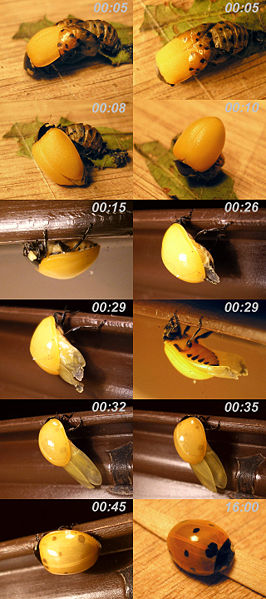
The emergence process of ladybug. www.kidzcraftz.ca/ladybugs.htm
Posted in Insects |
Valentine’s Day in Our Own Way!!
Valentine’s Day is here and our farm is filled with all the lovely ambience fluttering around to usher and embrace these wonderful event.An array of exciting events were arranged exclusively for our beloved visitors for them to cherish and remember these day, in their very own way!!Come lets check out those cute,candid shots all in the name of happiness and fun 😉
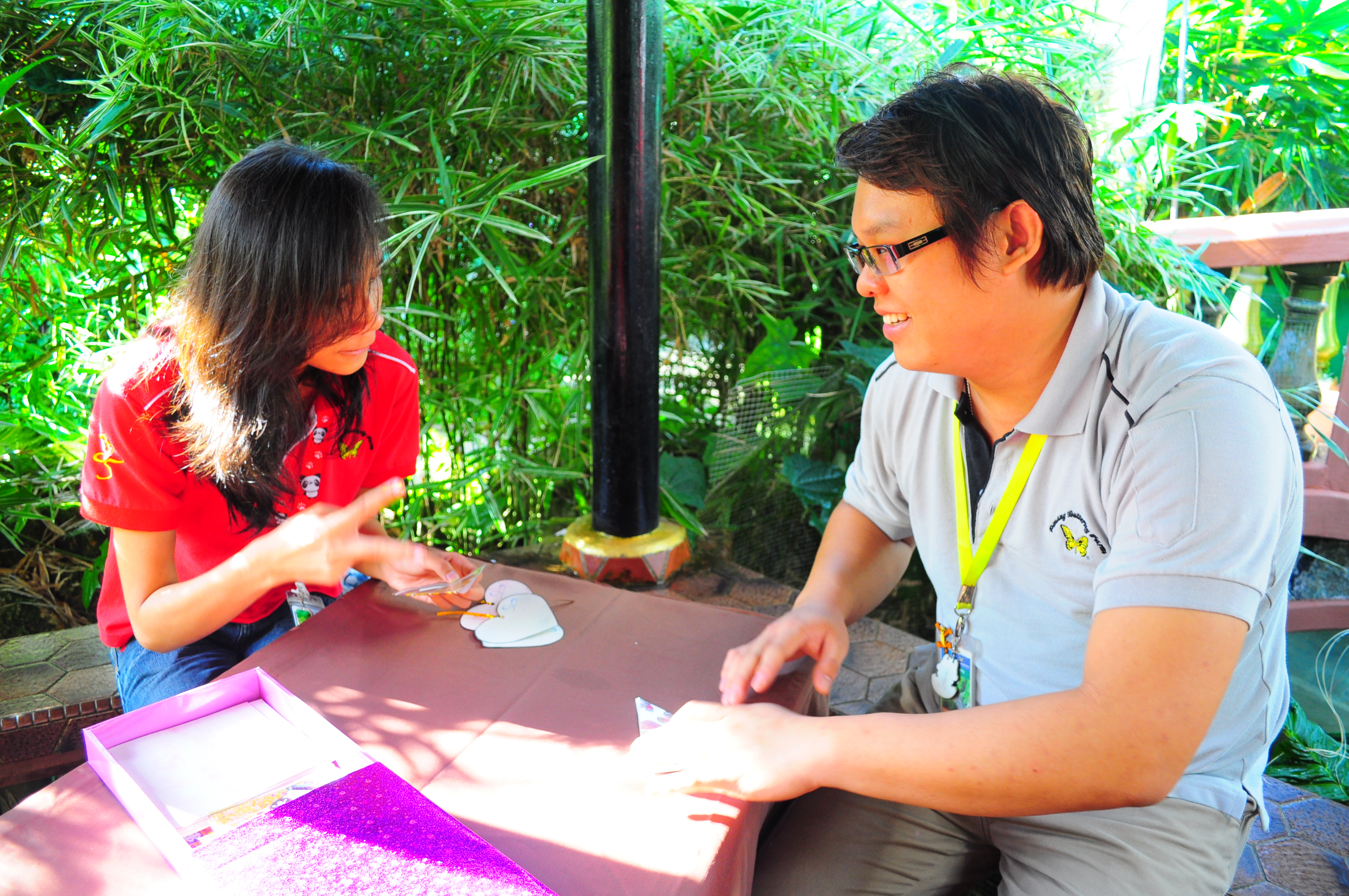
Jess & Steven all geared up in preparations for the Butterfly Origami session!! Thats the spirit guys! 🙂

Pen down the feeling of love at our 'Message Writing Corner'.
Butterfly origami making and message writing corner were the few events carried out,making our visitors create their paper butterfly thus presenting it to their partners!!
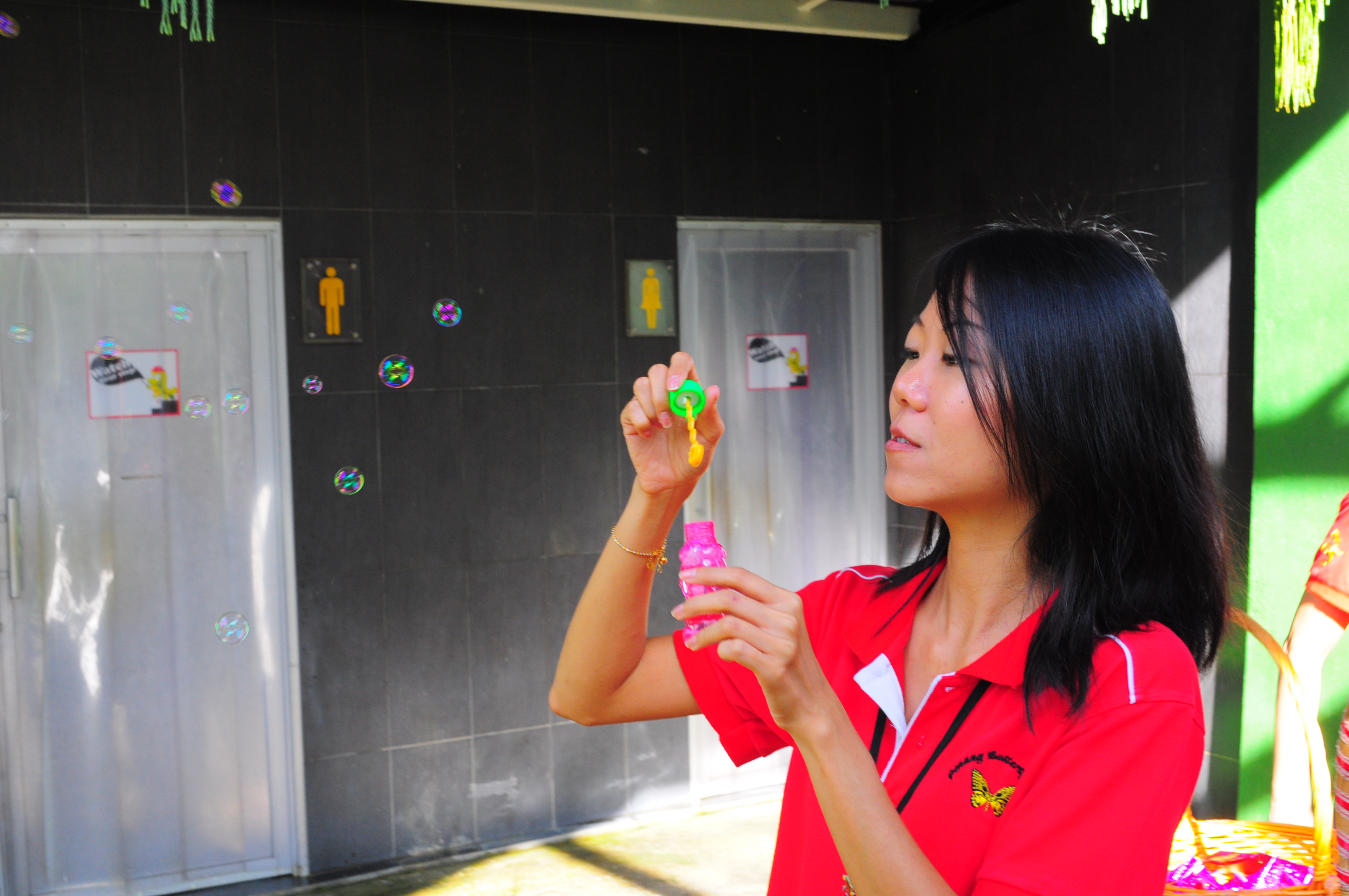
How big can you blow a bubble :-)Come on Cassie!!
Our friendly staffs were happily blowing bubbles all in the name of Valentine’s.
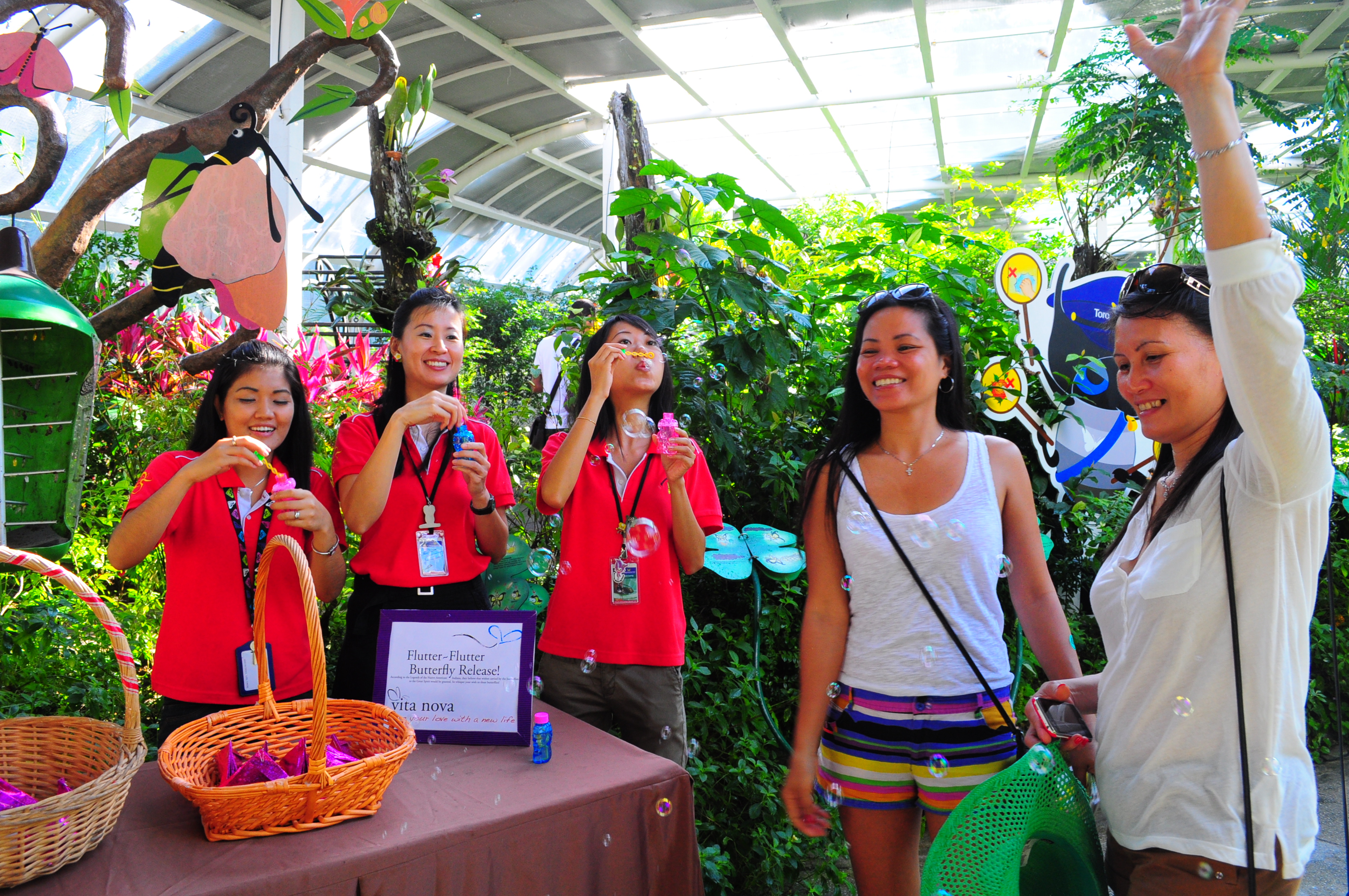
Fun time with our visitors
Our visitors were delighted with the warm welcome and friendly environment,thanks to our ever dedicated staffs 🙂
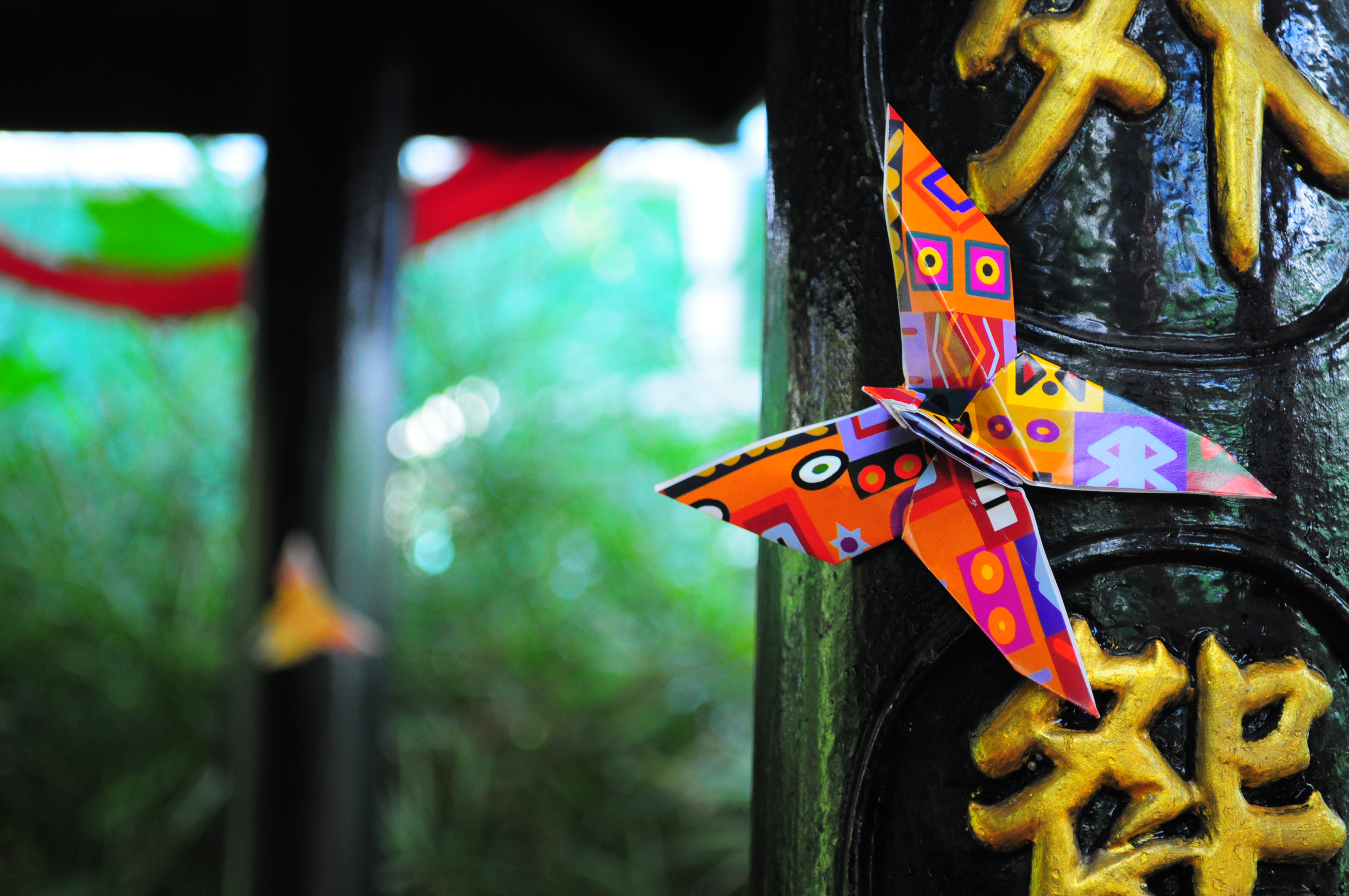
Introducing the origami butterfly!!Doesnt it look like the real one?..Wow!!

A valentine's smile..very sweet!!
Celebrating Valentine’s with mother nature was definitely a wonderful experience for our visitors
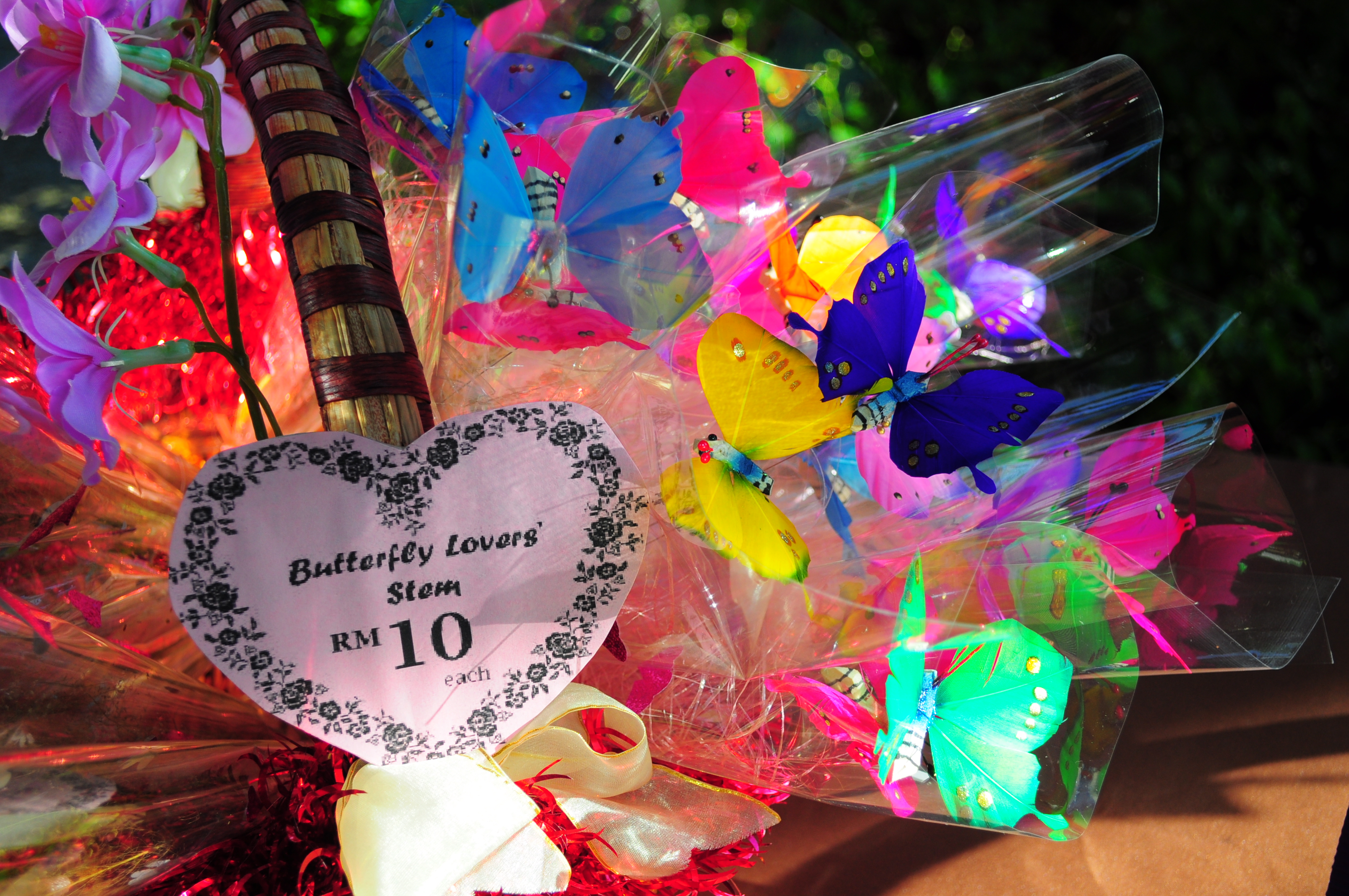
Cute & attractive souvenirs were sold exclusively for Valentine's!!
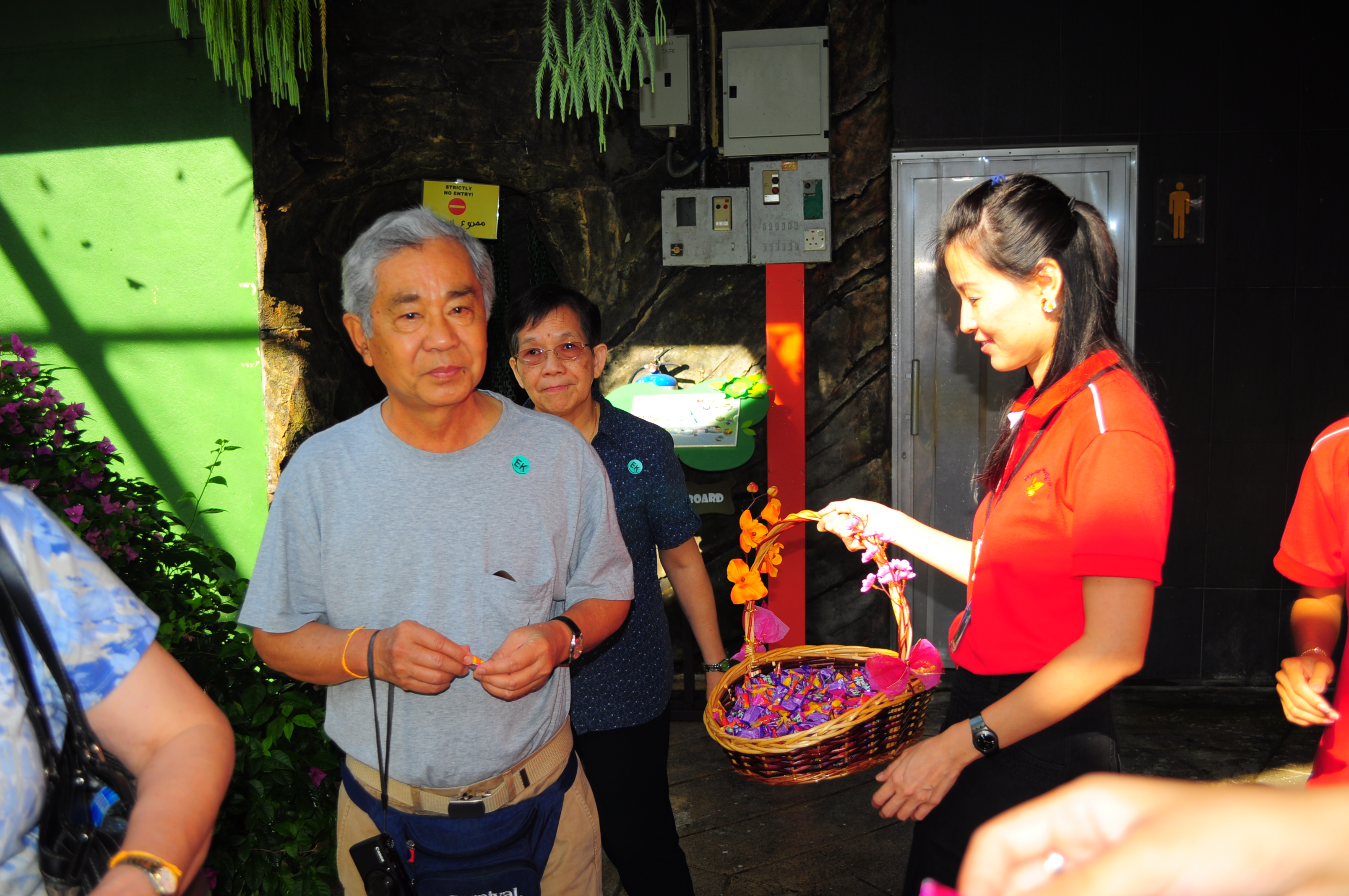
Sweets anyone?? 😉
Senior citizens joined the fun too.. 🙂
Our senior visitors were very thrilled and pleased to experience these very day.Some felt it brought back sweet memories during their younger days and cant believe time ran so fast!!
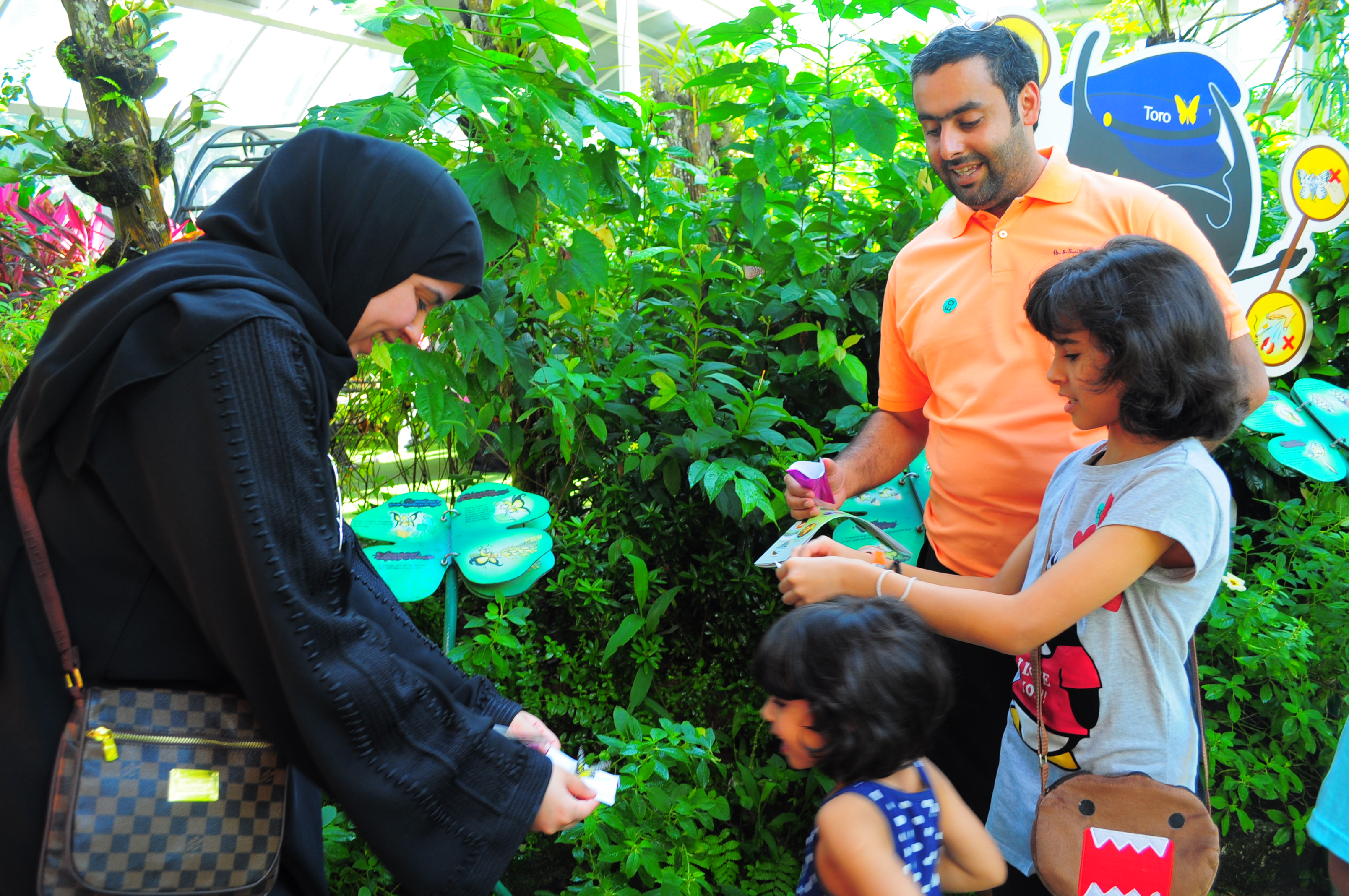
A happy family
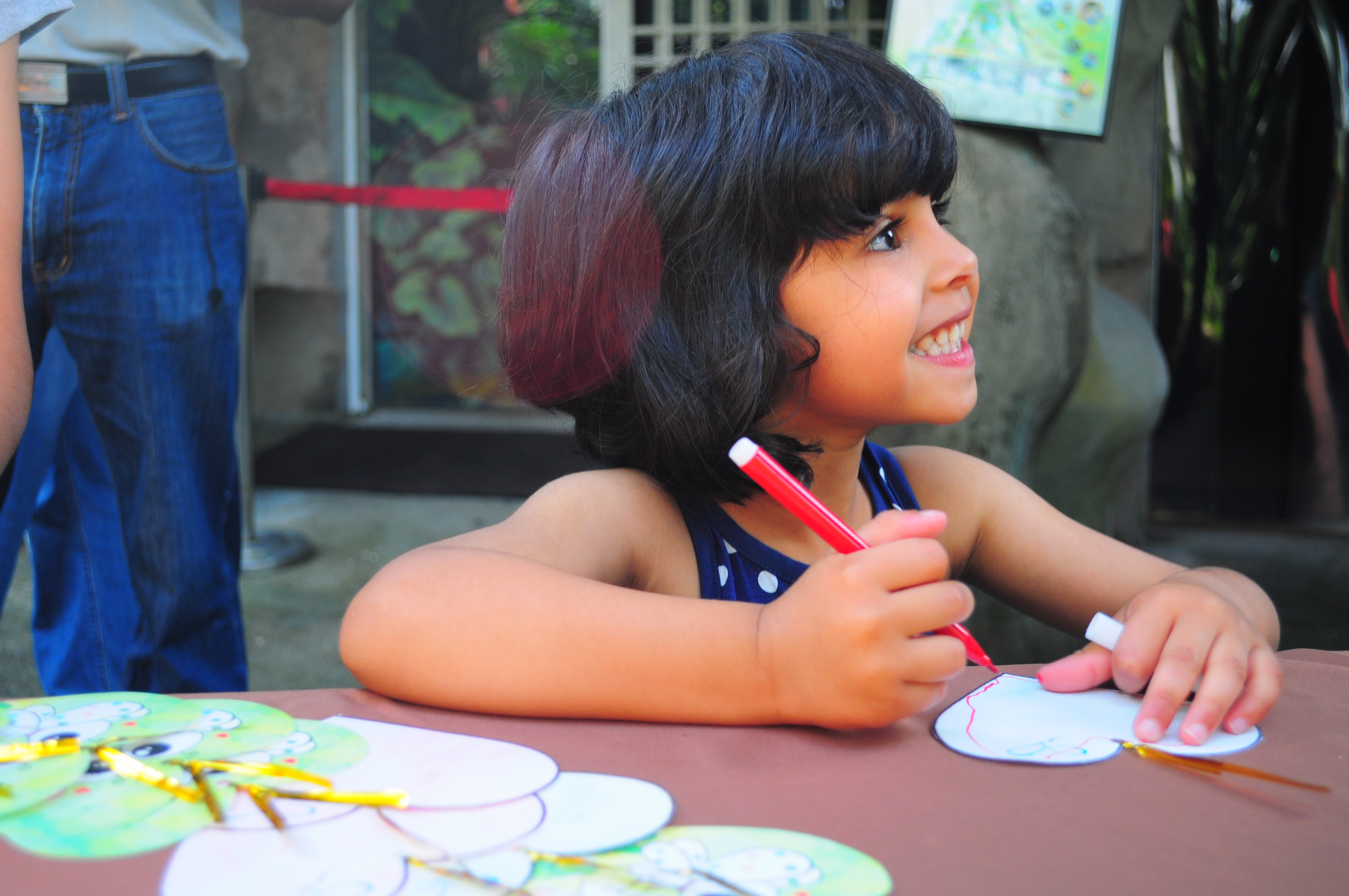
Small ones were also enhancing the farm's environment 😉
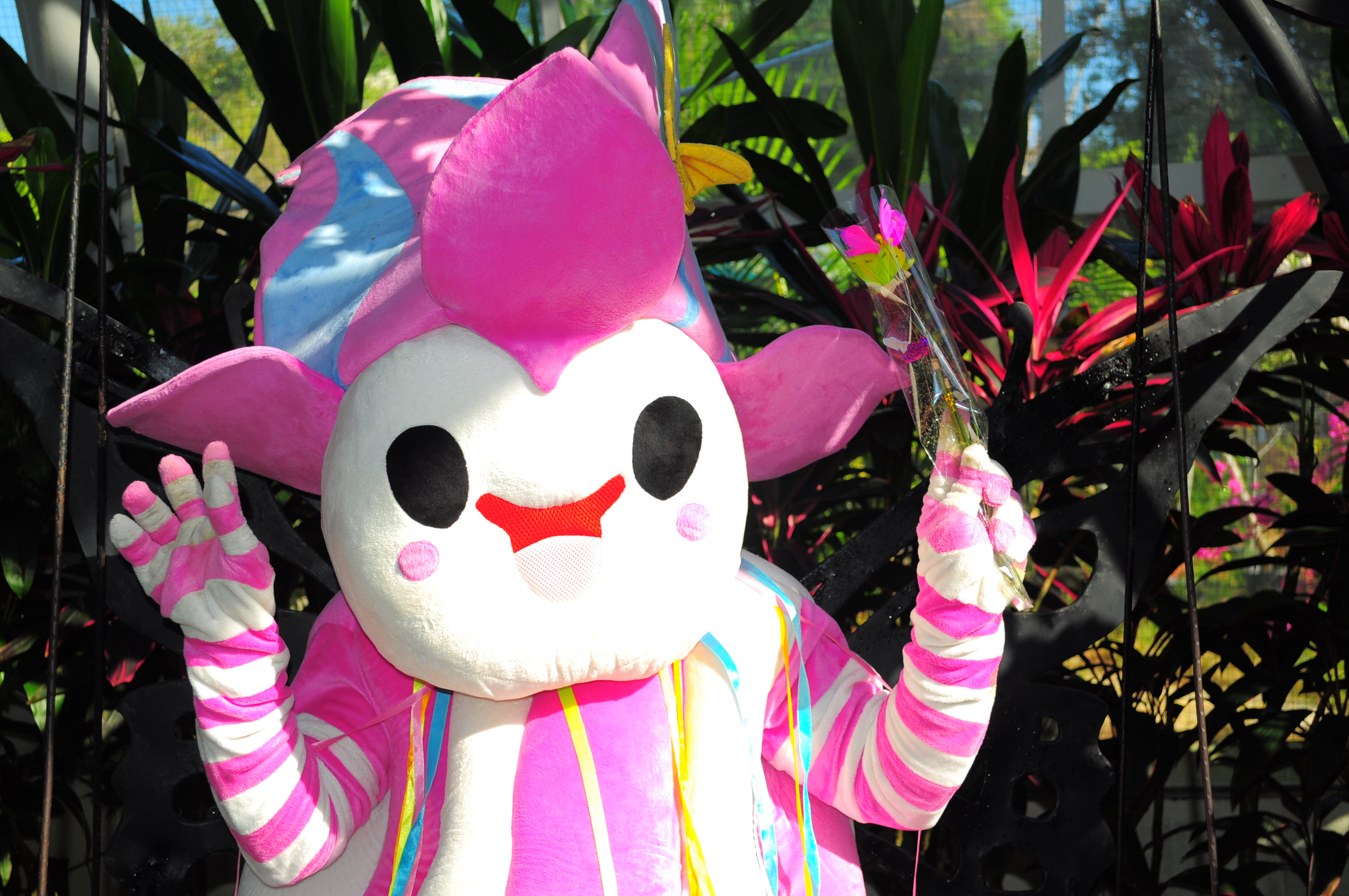
Tacca,carrying the message of love
Tacca, one of our nature’s ambassador, came in to join the fun.She was so excited and just couldn’t stop entertaining our visitors who were equally thrilled with her presence.Good job Tacca!!
The swing of love was definitely a major attraction whereby most of our visitors couldn’t resist to get a photo shot,what more as Tacca was around.
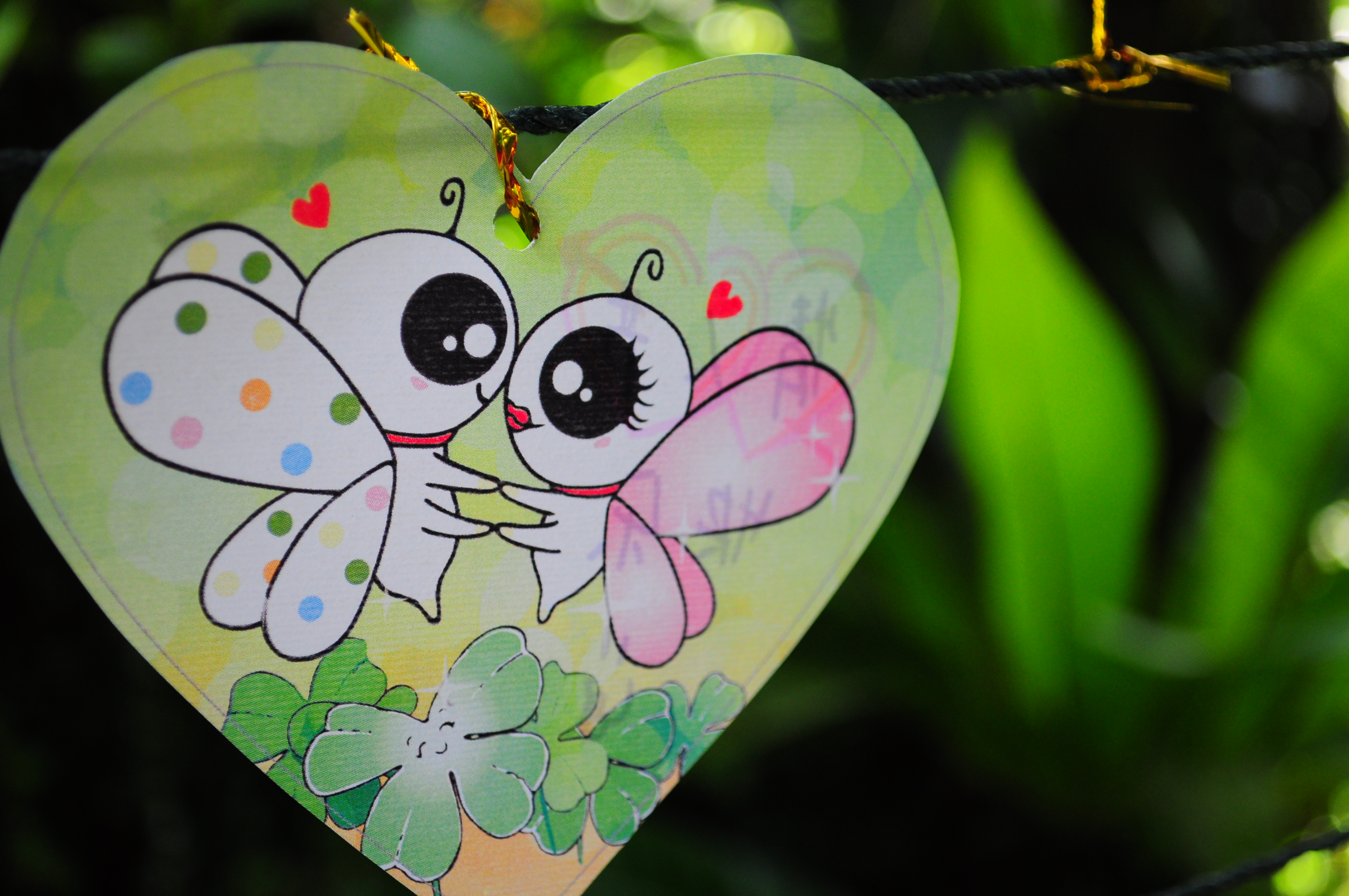
Happy Valentine's Day Butterfly Farm
So folks,Valentine’s day will always be celebrated and cherished as far as our farm is concern.We had a great day filled with lots of joy and fun all thanks to our very friendly visitors and not forgetting our beloved staffs.Hope to catch you guys soon with more interesting updates from our farm..HAPPY VALENTINE’S DAY 🙂
For more photos, check out our facebook page. Cheers~
Posted in Events & Workshops, Latest News |
Malaysian’s Pride
Hey folks!!What is your first impression when you hear the name TIGER?.eemm!!.Man eaters!!Fierce, Powerful, Brilliant stealth hunters, Merciless, and the list goes on!!..But hey these amazing creature plays an important role and is regarded highly in one country!!Do you know which country is that?..Yes our very own beloved country, Malaysia. Therefore we are going to discuss and share with you guys some information that you would like to know about the tiger. Do you know that tigers are the largest cat of all,(Panthera tigris) including lions, leopards and cheetahs.Wow.

Our pride.
Generally tigers are widely distributed throughout the Asia continent and are classified according to their species. So the tiger species which is endemic to our country is the Malayan tiger (Panthera tigris jacksoni). The Malayan tiger is the national animal of Malaysia. It is regarded as the pride and symbol of strength in Malaysia. We Malaysians have got great respect and love for these magnificent creature.

Malayan Tiger (Panthera tigris jacksoni)
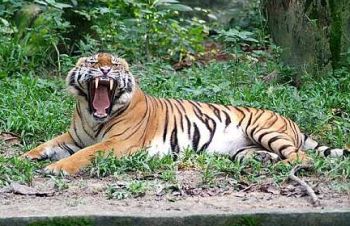
Malayan tiger!! He's one angry cat!! 😉
Picture source.wildasia.org
Since the characteristics of a tiger is highly regarded and admired, a tiger is depicted in the coat arm of Malaysia, symbolizing the government, and appears in various heraldry of Malaysian institutions such as Royal Malaysian Police, Maybank, Proton and Football Association of Malaysia.

Malaysia's Coat of Arm

Royal Malaysia Police logo

Football Association of Malaysia (FAM)

Maybank's logo
It symbolizes bravery and strength to Malaysians. It is also the nickname for the Malaysian Football team. The tiger has been given various nicknames by Malaysians, notably “Pak Belang,” which literally means “Uncle Stripes.”

'Pak Belang'-the nick name for tiger in Malay language
Habitat and Diet
Since it’s the top predator of food chain,Tigers are generally carnivores(meat eaters). Therefore the devour especially on smaller mammals, like deer, boars, goats and also poultry birds. Due to their agility, speed, stealthy attacks and enormous strength, it makes them one of the most fearsome predators of all time. In Malaysia, they are distributed. Tigers in Malaysia are found mainly found in Kelantan, Terengganu, Perak, and Pahang. There are no tigers in the east Malaysian states of Sabah and Sarawak. This magnificent creature is widely distributed throughout Peninsular Malaysia except for islands and certain small states such as Perlis, Penang, and Malacca.

Agile and stealthy hunter

Its got a big appite

Its able to take on prey bigger than its size
Picture sources : tigerworldnews & the telegraph.uk
Mating season happens throughout the year, although it has been suggested that tiger reproduction, in Peninsular Malaysia, might have a seasonal peak around November to March. Female tigers reach maturity when they are about 3 years old, a year ahead of males.

Mother tigers are very protective over their cubs
Relatives of the Malayan tiger.
The Bengal tiger (Panthera tigris tigris) is a tiger subspecies native to the Indian subcontinent

I hail from India
The Indochinese tiger or Corbett’s tiger (Panthera tigris corbetti) is a subspecies of tiger found in Cambodia, Laos, Burma, Thailand, and Vietnam and formerly in China.

You can find me in the upper regions of the South East Asian countries
The Sumatran tiger (Panthera tigris sumatrae) is a tiger subspecies that inhabits the Indonesian island of Sumatra and has been classified as critically endangered.

"Im kindda endangered.So please stop poaching on me!!TQ!!"
Siberian tiger (Panthera tigris altaica), also known as the Amur tiger, is a tiger subspecies inhabiting mainly the Sikhote Alin mountain region with a small sub population in southwest Primorye province in the Russian East.

Im the biggest subspecies in the world & I love the snow!! 😉
The South China tiger (Panthera tigris amoyensis) is a tiger subspecies that was native to the provinces in southern China, and has been classified as critically endangered by IUCN since 1996.

Im from China!!Im about to extinct!! Please help me out!!Thank you..
Sadly the exploitation of tiger is exponentially raising to an alarming stage.Tigers are being hunted and killed brutally by unscrupulous poachers who are so obsessed with money unaware of the damage their causing to the environment.Tigers have a great demand among mankind as a source for medicinal purposes,delicacy and super natural beliefs.There is a whole underground black market with enormous networks distributed across the globe operating these multi million dollar ‘tiger business’. Whats the fate of our tigers then?
Have a look!!
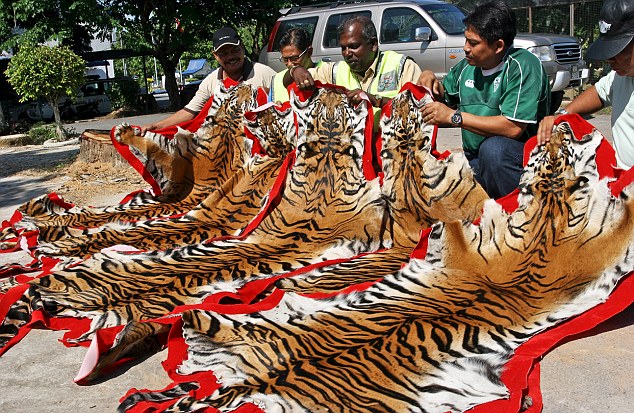
Dried & preserved tiger skin.

Tigers brutally killed to obtain their organs & body parts for human needs.
Picture sources: dailymail.uk.com &bushwarriors.com
Traditional believes which are still practiced till today using tiger body parts are:
- The tail of the tiger is sometimes ground and mixed with soap to create an ointment for use in treating skin cancer.
- The bones found in the tip of the tiger’s tail are said to ward off evil spirits.
- Crushed tiger bones added to wine serve as a Taiwanese general tonic.
- The feet of a tiger, when dipped in palm oil and hung in front of a door, are said to diminish the likelihood of evil spirits from entering.
- Tiger’s skin is said to cure a fever caused by ghosts. To use it effectively, the user must sit on the tiger’s skin, but beware. If too much time is spent on the tiger’s skin, legend says the user will become a tiger.
- Adding honey to the gallstones and applying the combination to the hands and feet is said to effectively treat abscesses.
- Burnt tiger hair can allegedly drive away centipedes
- Mixing the brain of a tiger with oil and rubbing the mixture on your body is an alleged cure for both laziness and acne.
- Rolling the eyeballs into pills is an alleged remedy for convulsions.
- The whiskers are used to cure toothaches.
- One will allegedly possess courage and shall be protected from sudden fright by wearing a tiger’s claw as a piece of jewellery or carrying one in a pocket.
- Strength, cunning, and courage can allegedly be obtained by consuming a tiger’s heart.
- Floating ribs of a tiger are considered a good luck talisman.
- The tiger’s penis is said to be an aphrodisiac.
- Small bones in a tiger’s feet tied to a child’s wrist are said to be a sure cure for convulsions.

Beyond the law of humanity!

Humans are the sole cause of their extinction
Picture source: Tigerblogfest 2010
Modern medicine research have found that
- Tiger claws: used as a sedative for insomnia
- Teeth: used to treat fever
- Fat: used to treat leprosy and rheumatism
- Nose leather: used to treat superficial wounds such as bites
- Tiger bone: used as an anti-inflammatory drug to treat rheumatism and arthritis, general weakness, headaches, stiffness or paralysis in lower back and legs and dysentery
- Eyeballs: used to treat epilepsy and malaria
- Tail: used to treat skin diseases
- Bile: used to treat convulsions in children associated with meningitis
- Whiskers: used to treat toothaches
- Brain: used to treat laziness and pimples
- Penis: used in love potions such as tiger soup, as an aphrodisiac
- Dung or feces: used to treat boils, hemorrhoids and cure alcoholism

SAY NO TO TIGER BODY PARTS!!
Conservation statues.
Tigers are currently listed as “Endangered” on the International Union of the Conservation of Nature’s (IUCN) Red List of Threatened Species.
The tiger (Panthera tigris) is the world’s largest cat, and it is also the most threatened with extinction. As recently as 100 years ago, there were as many as 100,000 wild tigers living in Asia. Today, fewer than 3,200 remain.
Six subspecies of tigers continue to persist, but three have gone extinct in the last 80 years.
The existing subspecies are the Bengal, Indochinese, Sumatran, Amur, Malayan, and the South-China subspecies (although no signs of the South-China subspecies have been recorded in the wild in the last 10 years).
Extinct Species
The three extinct subspecies include the Javan (last recorded in the 1970’s), Caspian (lost in the 1950’s) and the Bali subspecies (lost in the 1930’s). These tigers were eradicated from the face of earth due to uncontrolled poaching.
Javaness Tiger!

This photograph of a live Javan tiger was taken in 1938 at Ujung Kulon and published in A. Hoogerwerf's "Ujung Kulon:

Skin of the Javan tiger in 1915!Long time ago!!
Picture sources :Petermaas & Tropenmuseum
Caspian tiger!

Caspian tiger killed in Northern Iran, early 1940’s, © Boomiran/The Tiger Foundation

Caspian or Turanian tigers (Panthera tigris virgata)
Picture sources :www.tiger.ca. & nfwf.org
Balinese tiger!

The only known photograph of a Bali tiger (extinct in 1937)

Artist impression on the Baliness Tiger
Picture source: www.uwec.edu & its nature.org.
Therefore I have to say that it is in our hands to determine the fate of these amazing creatures.We were given the special ability by God to administer the world to live harmoniously among humans and other living organisms,in order to preserve and reserve the beauty of mother nature from further damage and extinctions.So please stop poaching in order for our younger generation to witness the greatness and legacy of the TIGER.


Picture source:travelinthailand.org & conferenceofbirds.net
STOP THE KILLINGS!LOVE THE TIGER!!SAVE THE TIGER!!
Posted in Mammals |
Understanding Genetic Engineering & Its Future Prospects
Today, as the world is heading into an era of high technology and mass development, our natural environment is being exploited without our realization. The land once we had as farms, are transformed into a fortress of steel, concrete and cement. What more as the quality of human health has improved tremendously over the years, regarding to new discoveries and technologies being introduced into the medical world.
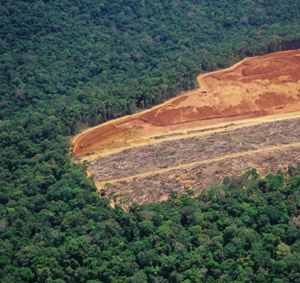
Deforestation
Studies have shown that the human population is exponentially rising with the ratio of human birth outstands to the ratio of human death. Therefore in order to support these alarming rise in the human population, more food must be produced for human consumption.
According to studies from the UN Food and Agriculture Organization, it estimates that farmers will have to produce 70% more food by 2050 to meet the needs of the world’s expected nine billion population. That amounts to one billion tons more wheat, rice and other cereals and 200 million more tons of cows and other livestocks.

Are we heading in this direction?
However the controversial takes place to cater to the uprising human populations with dwindling farm land. Is there solutions for these problems?
Yes, scientists have introduced new approaches to cope with these problems. The introduction of genetic engineering to produce genetically modified food. Genetic engineering is the introduction of a selected DNA(Deoxyribonucleic acid) to an organism to improve and enhance its trait for mankind’s benefit and interest.

Genetic engineering - scientist in laboratory, GMO testing experiment

Illustration of introducing selected DNA to host DNA
Actually breeding was the conventional way of genetic engineering. Humans modify food organisms include selective breeding; plant breeding, and animal breeding in order increase the quality of their food product. For an example, cows were selective breed with others species of cows (interspecies mating) to enhance the quantity and quality of its milk, meat, immune system and maturation process.
What sort of genetically engineered food are available and are they safe?
Foodstuffs made of genetically modified crops that are currently available (mainly maize, soybean, and oilseed rape) have been judged safe to eat, and the methods used to test them have been deemed appropriate. These conclusions represent the consensus of the scientific evidence surveyed by the International Council for Science (ICSU) and are consistent with the views of the World Health Organization (WHO).


There are 5 steps involve in these process

Step 1 – Plasmid is isolated from the bacteria.
- What is a plasmid?
Plasmid is a DNA molecule that is separate from, and can replicate independently. - Why do we use a plasmid?
It acts as a transporter whereby it carries the desired gene which was initially incorporated in the coding region(in red). - What is a coding region?
Coding region is the region whereby the desired genes located which are later fitted in like a jigsaw to the plasmid region.(in black).There are 3 regions which are the promoter(beginning),marker(middle) and terminator(ending). - Why only bacteria plasmid used widely in genetic engineering?
It is because bacteria is a simple cell, therefore the process of identification and isolation is simple and effective. Another reason is that the plasmid has got a virulence factor corresponding exclusively to Agrobacterium. - So what is the function of these virulence factor and where is it located?
The virulence factor plays an important role in incorporating the plasmid into the host cell and its located in the plasmid itself nearby the coding region(in red).Therefore it helps the plasmid to get incorporated into the host genome(plant cell) - How is the bacteria plasmid going to be inserted into the host genome?
There are several ways to transfer a recombinant plasmid inside the host genome. The best way is using a microprojectile gun. It function is as similar to a gun, but instead of bullet, plasmid is used as a replacement. - How are we suppose to know where is the plant genome?
The genome is located in the nuclei of the plant cell. Further magnification can be viewed by using the electron microscope
Step 2 – The recombinant DNA carried by the plasmid are incorporated into the plant cell.(using the microprojectile gun)
Step 3 – Those transformed plant cells are suspended on a media to undergo plant cell culture under aseptic conditions.

Genetically modified plants grows inside petri plate with sufficient nutrient given
- What is a media?
A media acts as a reservoir of nutrients containing essential enzymes and hormones which would induce cell growth. - What is aseptic conditions?
Aseptic conditions means sterile conditions, whereby these whole cell culture should be free from contamination and carried out in fume hoods. - How to identify the growth of these plant cell?
These cell plants undergo differentiation to form a callus which as they are totipotent.
What is a callus?
A mass of undifferentiated cells derived from plant tissue (explants) - What is totipotent?
Is the ability of a single cell to divide and produce all the differentiated cells in an organism. - How are we going to mass produce these single cell plant culture?
Subculturing - What is subculturing?
The original cell culture on the media is left to differentiate to form a callus.The callus is later sliced to several pieces and suspended on different plates containing the same amount of nutrient and enzymes. This will lead to mass production of the new genetically modified plants.
Step 4 – Plant regeneration?
- How do we evaluate when the plants regenerate?
The formation of stem, leaves and roots are visible.
Step 5 – Plant acclimatization?
- What is plant acclimatization?
It is the adaptation period of the plants being exposed to the natural climate, corresponding to temperature, moisture, humidity and photoperiod.
The positive sides of genetic engineering
High demands are promised for genetically modified crops. Native rice strains have helped to save rice crops from the impact of disease and pests. Wild wheat have helped save commercial crops. Crops can be grown where they have never grown before. It is here that the rural poor scrape out a weak existence and wildlife clings to a last place of refuge. High benefits of genetically modified crops include the ability to resist herbicides.
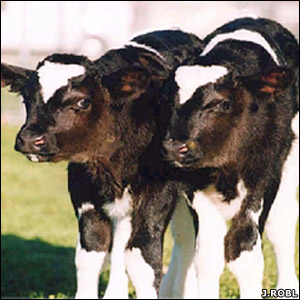
Calfs engineered for leaner meat

Genetically modified corn(herbicide resistance)

Genetically engineered bacteria used for vaccination
Negative side of genetic engineering
Genetic engineering also have raised lots of negative implications via the years of its introduction. One of the organisms which are affected by these technology is the Monarch butterflies. Studies has shown pollen from genetically engineered corn plants is toxic to monarch butterflies.(May 20,1999,Nature’s Magazine).


- But how are these butterflies affected from a pollen of a corn??
- These corns were genetically modified by insertion of a toxin from a potent bacteria called Bacillus thuringiensis (Bt).
- Why was the corn genetically modified to carry these toxins?
Mainly for pest control. It is because to prevent insects attack which may affect the productivity of the corn.
- How do these butterflies take up the toxin from the pollen?
Corn plants produce huge quantities of pollen, which dusts the leaves of plants growing near corn fields. So the caterpillars of these Monarch butterflies which dwells on the milkweed leaves nearby happen to consume these deadly pollens without their realization.
- What are the effects of these genetically modified grains (Bt corn)to the caterpillars and the Monarch butterflies?
The Nature study found that close to half the monarch caterpillars that fed on milkweed leaves dusted with Bt corn pollen died. Surviving caterpillars were about half the size of caterpillars that fed on leaves dusted with pollen from non-engineered corn. The same case study was implied with the monarch butterflies and the results proved similar which is mortality.

Monarch caterpillar
The beauty of these monarch butterflies is that their noted for their remarkable annual migration, which takes them from central Mexico in the winter to as far north as Minnesota in the summer. In the summer months, the Midwestern corn belt is home to about half the US population of monarch butterflies.
According to Dr.Rebecca Goldburg “It would be tragic if genetically engineered crops decimated populations of monarch butterflies similar to the way that DDT decimated populations of bald eagles and other birds,”

Dead Monarch Butterflies from Bt toxin poisoning
Therefore stringent laws should be re-enforced and the Environmental Protection Agency (EPA), which regulates pesticides, must take action to protect monarchs from poisoning by Bt corn.
Future hopes
Genetic engineering is definitely a great breakthrough in terms of substituting land scarcity for agriculture and eradicating starvation.But one should also never neglect and exploit mother nature in order to sustain a balance and healthy ecosystem.
However it would be a great breakthrough to experiment the glowing effect of butterflies as they are magnificent insects. It is definitely a great opportunity to carry out a research by incorporating the genes of the glowing jellyfish into the wings of the butterfly to produce a glowing butterfly. Wouldn’t it be great and beautiful to see such a magnificent creature glowing. I personally feel that it would one of the most beautiful creature ever to be witnessed.

Glowing butterfly concept
Posted in Food |